The Delhi High Court has designated a special fast-track court to exclusively hear criminal cases relating to question paper leaks and other unfair practices in public examinations.
The notification was issued on Thursday (July 23, 2026) after Prime Minister Narendra Modi announced that the government would establish fast-track courts to ensure expeditious trials in paper leak cases.
According to a notification issued by the High Court, the court of judicial officer Anu Grover Baliga has been notified as a “Specially Designated Fast Track Court” to try offences under the Public Examinations (Prevention of Unfair Means) Act, 2024, along with connected offences.
The designation takes immediate effect.
Government to set up fast-track courts for paper leak cases, says PM Modi The special court will function from the Rouse Avenue Court Complex in Delhi.
Judge Baliga was earlier serving as the judge-in-charge of the Mediation Centre in the Central District at Tis Hazari Courts.
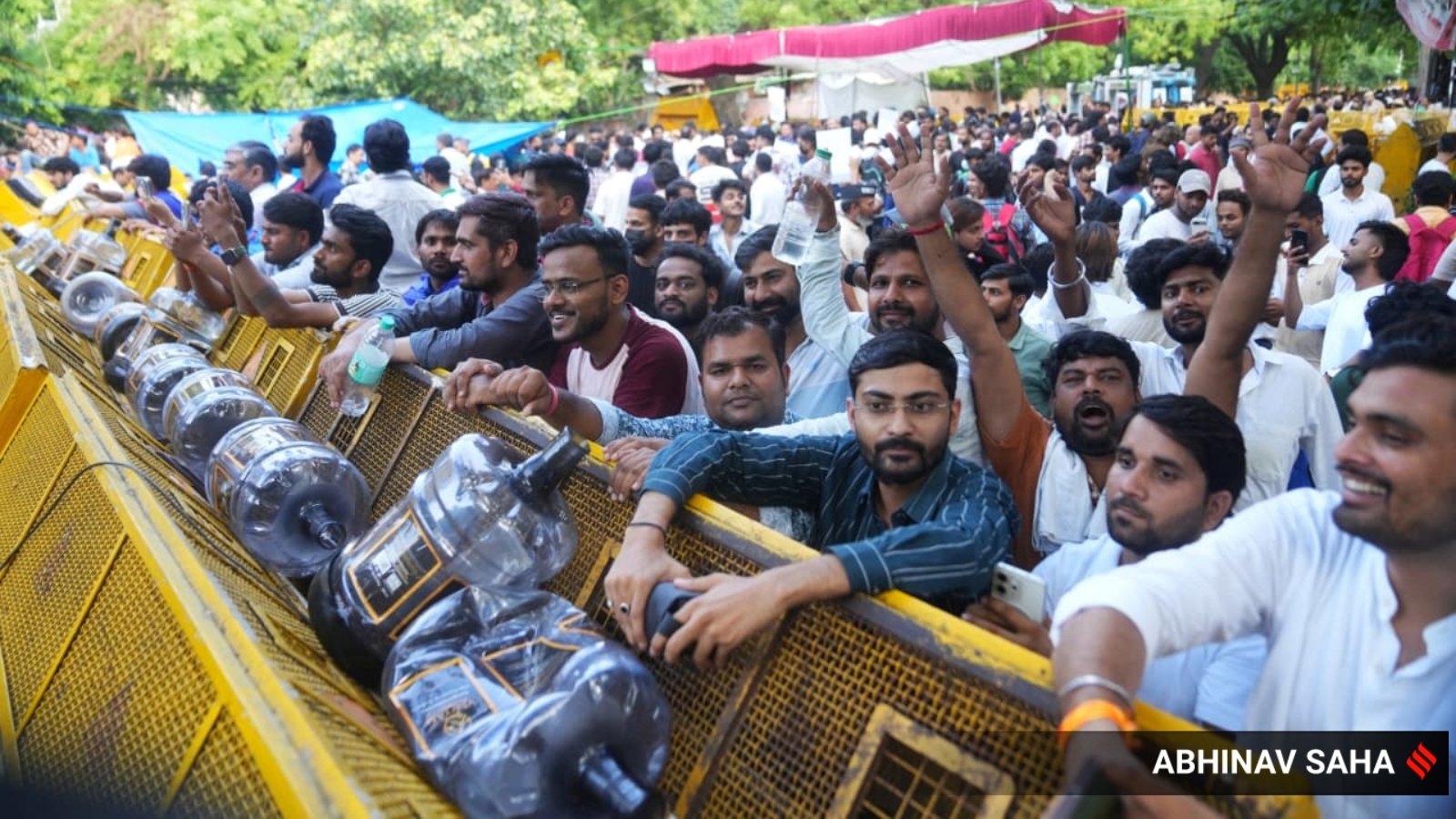
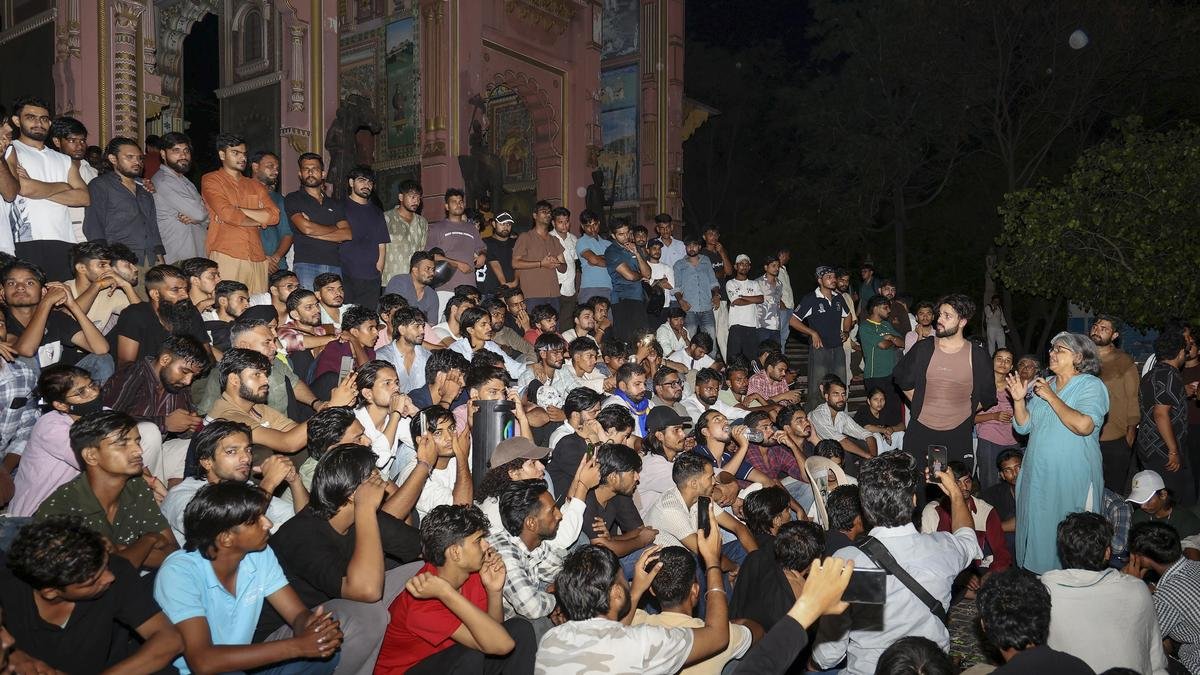
Earlier in the day on Thursday (July 23, 2026), Prime Minister Modi announced the decision to establish fast-track courts for paper leak cases, marking his first direct remarks in the backdrop of widespread protests by the Cockroach Janta Party (CJP) over the alleged NEET-UG paper leak.
NEET: Beyond paper leaks, the real vulnerabilities lie elsewhere | Explained In a post on X, Mr.
Modi said the government had decided to set up fast-track courts “to ensure swift and stringent punishment for those involved in paper leaks”.
He added that he had directed the concerned authorities to take all necessary steps, describing the move as part of the government’s efforts to safeguard students’ interests.
PM Modi promises 'more strict actions against paper leaks' amid CJP protests “Those who try to harm the future of our youth will not be spared,” the Prime Minister said.