Government remains confident in under-pressure Martin Rolfe but transport secretary believes glitch was avoidable
How have you been affected by UK air traffic disruption?
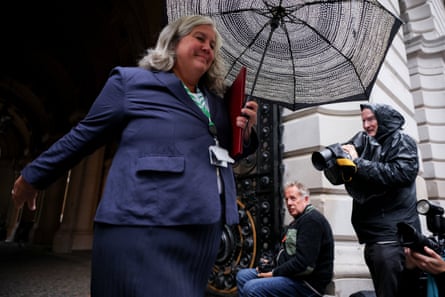
The head of the air traffic control provider Nats has been given a week to report back on the reasons for a technical failure that grounded thousands of flights, as the transport secretary declared she did “not believe the issue was unavoidable”.
Heidi Alexander said on Tuesday she had also commissioned an independent review by the Civil Aviation Authority into the latest Nats meltdown that severely disrupted travel for hundreds of thousands of passengers.
The comments will pile pressure on Nats chief executive Martin Rolfe, despite Downing Street saying the government still had confidence in him after a morning meeting with Alexander, and as the number of flight cancellations passed 2,000.
The minister told the Commons: “Safety must remain air traffic controllers’ overriding priority, and this morning I have spoken to Nats chief executive Martin Rolfe, who informed me this outage was due to a technical issue at their Swanwick site.
“So, while my understanding from Nats is that we can rule out a cyber-attack on this occasion, I do not believe this issue was unavoidable.”
Airlines have urged action, with Rolfe facing increasing pressure to quit, after the third large-scale stoppage to flights in just over three years.
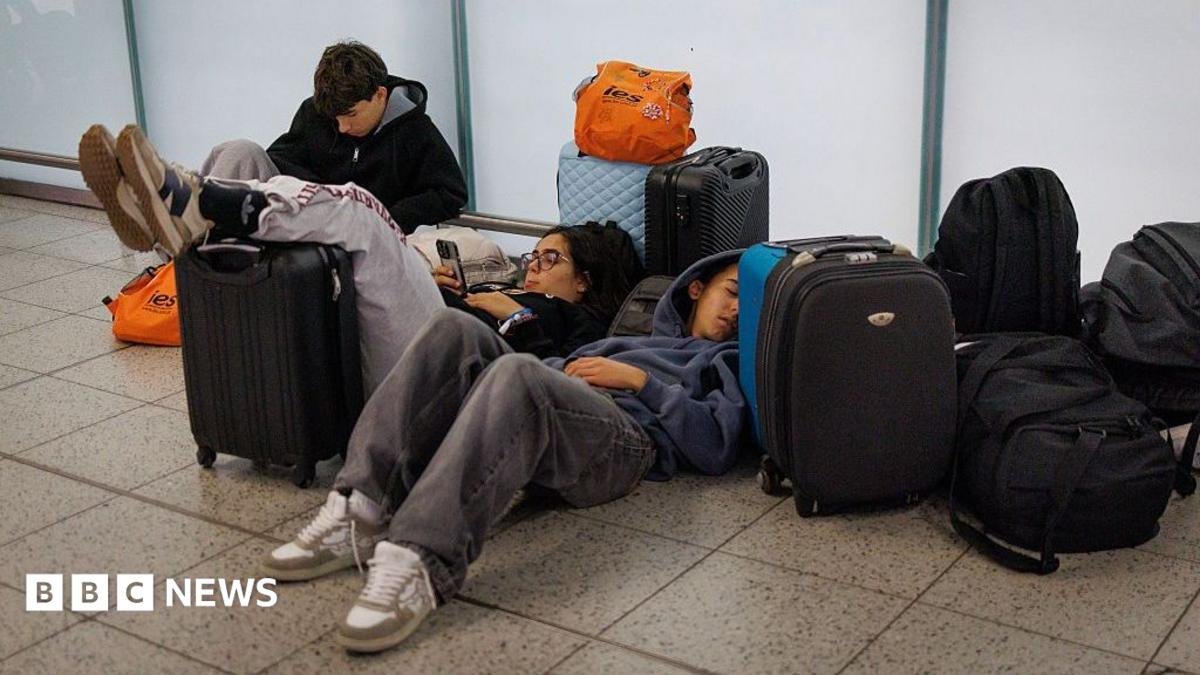
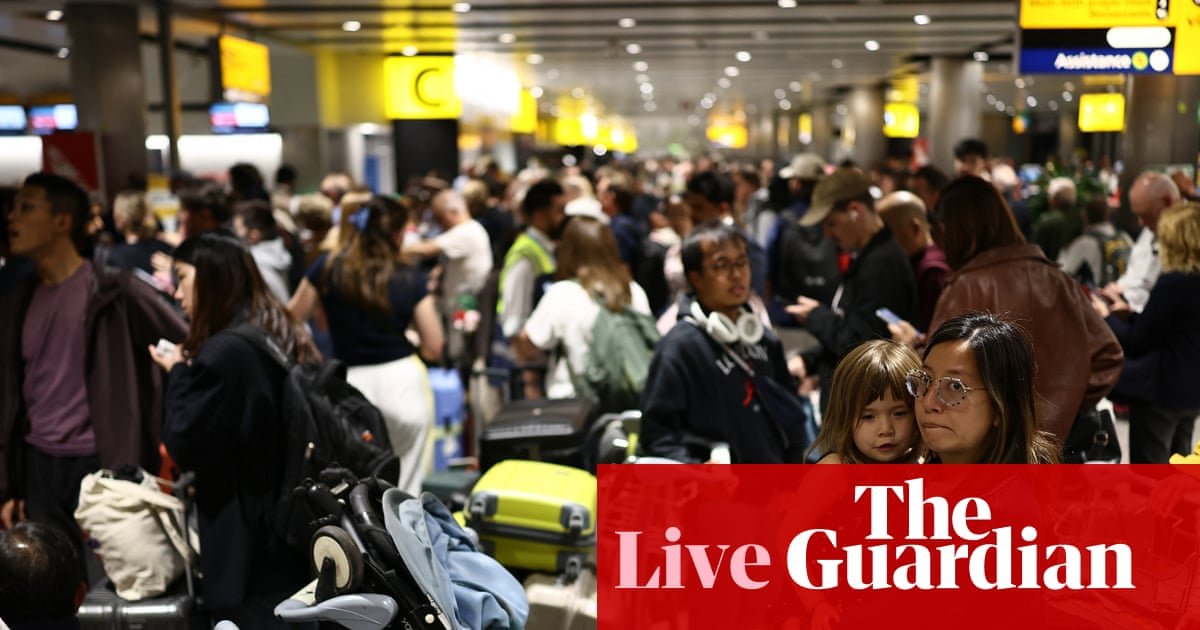
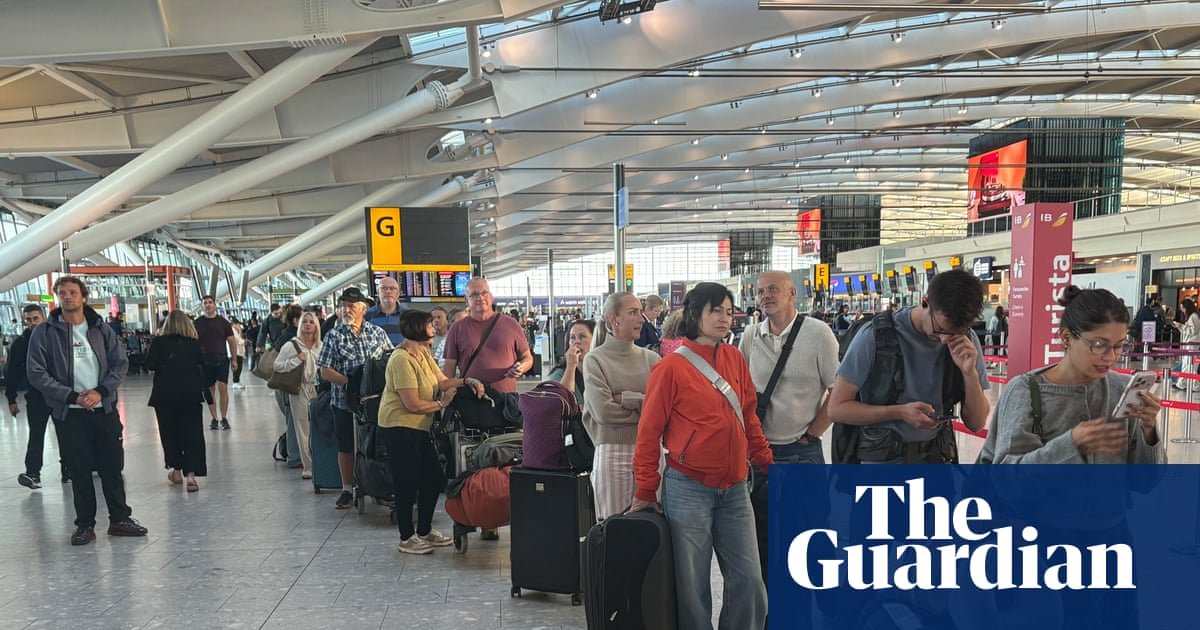
Latest industry estimates say about 330,000 passengers had their travel disrupted and delayed, with many stuck on grounded planes for many hours as the incident unravelled. Other passengers were stranded overnight at airports in the UK and abroad.
A Downing Street spokesperson earlier said Alexander had asked Rolfe to “carry out a full investigation into what happened to make sure that lessons are learned, so that this doesn’t happen again”.
Alexander said she would “leave absolutely no stone unturned in understanding what has happened here, and what can be done to drastically reduce the likelihood of something like this ever happening again. “I do think we need to ask tough questions about resilience of Nat systems …. We also need to think about consumer redress issues as well.”
The prime minister’s spokesperson added: “We have confidence in him and he’s been tasked with the investigation, which will report in a week’s time.”
Airlines including Ryanair and Wizz have called for Rolfe to resign or be sacked by Alexander. He had earlier defended the resilience of the systems run by Nats, which provides services to 15 UK airports.
“We will be doing a very thorough and full investigation,” he told BBC Radio 4’s Today programme. “We have at this point ruled out a cyber-attack … This will be something we haven’t seen in more than 50 years of operation.”
Nats said the problem occurred in its flight processing system but was not the same fault as those that caused outages and mass disruption in 2023 and 2025.
Ryanair queried the explanation and said lessons had not been learned. The carrier, which on Tuesday said more than 65,000 of its passengers had been disrupted when 50 flights were cancelled, said it had now cancelled more than 250 flights and its costs would run into millions.
The airline’s chief executive, Michael O’Leary, said: “Martin Rolfe’s position as Nats CEO is untenable. We don’t need more investigations, we don’t need more reports, and we don’t need another parliamentary committee hearing where Martin Rolfe will promise change, will promise resilience, and will promise an effective backup system.”
He said the UK’s air traffic control services were one of the most expensive in Europe “and yet it keeps repeatedly failing”. O’Leary said Alexander should “today demand that failing Martin Rolfe must quit, or be dismissed”.
Yvonne Moynihan, the managing director of Wizz Air UK, called on Rolfe to consider resigning. “In any industry when you’ve had three failures, you need to consider three strikes and you’re out,” she told Today. “A third time and a third excuse is not enough any more. What we need to see from leadership is accountability.”
Luke Petherbridge, the director of public affairs at the travel association Abta, said: “While the immediate priority is supporting customers … the industry and the public will want answers as to what has gone wrong.”
Nats said the fix it eventually implemented on Tuesday, almost four hours after the incident first occurred, had been a “very complex recovery and has created difficulties for the whole aviation network, from which it will take time to recover”.
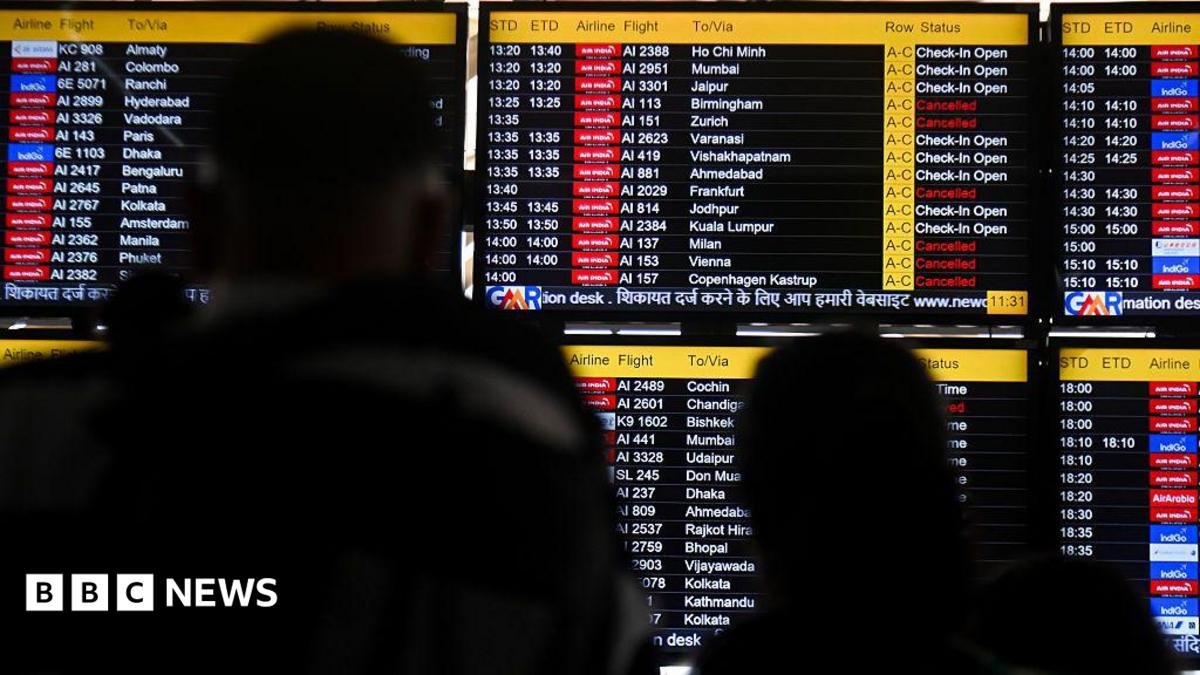
More than 300 flights were cancelled on Wednesday in the continuing fallout from the outage. According to data from the analysts Cirium, nearly 2,100 flights in and out of UK airports have been cancelled because of the failure, including 1,750 on Tuesday out of 5,800 scheduled flights. Of these, 541 were at Heathrow.
A spokesperson for British Airways said: “Tuesday’s air traffic control issue has forced us into cancelling almost 550 of our flights, affecting more than 85,000 of our customers. We’re incredibly sorry for the experience they’ve endured because of an issue that has been entirely out of our control.”
Rail passengers affected by flight disruption could use booked tickets on a different date or to a different airport if needed, or apply for a refund, the Rail Delivery Group said.
The airport breakdown started at about 1pm on Tuesday and affected departing flights at many of Britain’s biggest airports, including Heathrow, Gatwick, Manchester and Stansted.
London airports as well as Manchester were among the most directly affected, with operations effectively suspended for hours in the afternoon. While Heathrow said the fault initially only stopped takeoffs, the airport was soon too full to accommodate more planes, with arriving flights diverted to other European airports.
Flights to and from other airports around the UK, including Birmingham, Edinburgh and Belfast, were also disrupted.
The air traffic control problems follow an “isolated event” a year ago that caused widespread disruption, and appeared less severe than the full grounding of flights in August 2023, which prompted a parliamentary inquiry.