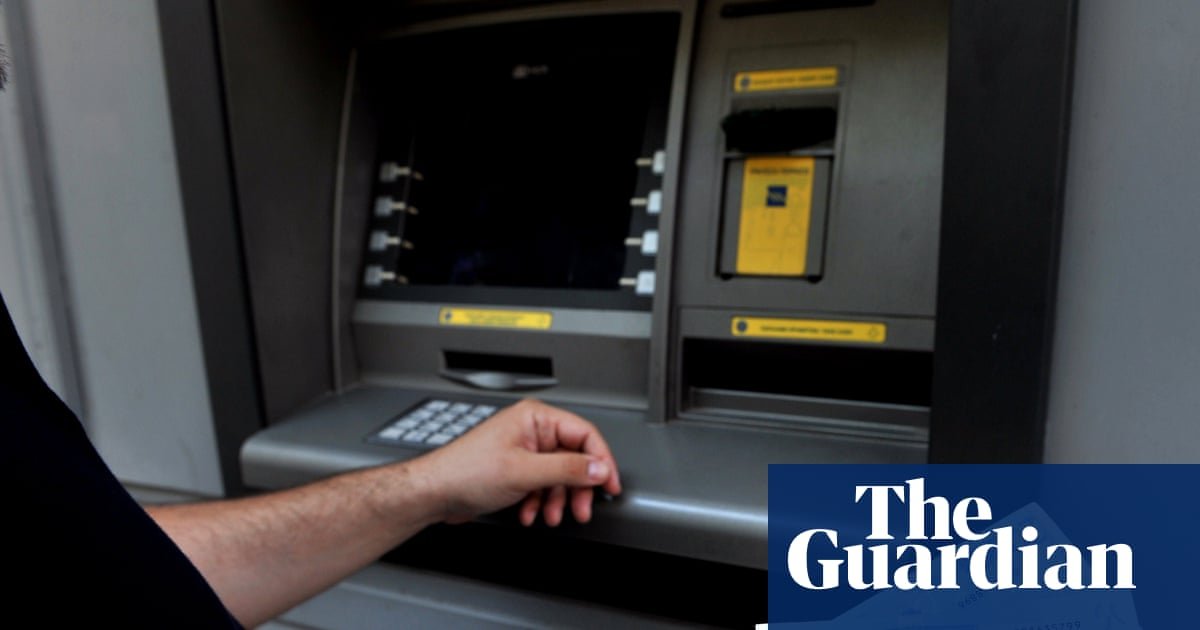
People in the EU have been encouraged to have a crisis pack including bottled water, a transistor radio, canned food and cash.
6bn in 2026 as people advised to keep stash of cash The number of banknotes in circulation in the EU is increasing despite widespread smartphone payments, new data shows, with wildfires ripping through parts of Europe fuelling demand for an emergency stash of cash.
While cash plays second fiddle to contactless payments in many cities across Europe, the amount in circulation is actually going up, Philip Lane, the chief economist of the European Central Bank (ECB), said at the MacGill summer school conference in Ireland.
The rise of cash has been linked to anxiety over wars and the impact of cyber-attacks on online and contactless payment systems, say experts.
“The total stock of banknotes is continuing to grow.
In transactions, it [the number of notes] is coming down, but in terms of the stock [it is increasing],” Lane said.
Last year Marks & Spencer in the UK suffered a sustained cyber-attack which stopped the retailer taking online orders for weeks.
In 2025 EU residents were advised to stockpile enough food, water and essentials for 72 hours in case of an emergency such as this summer’s catastrophic wildfires in France and Spain, floods or storms as well as potential cyber-attacks or other hostile events.
Households were encouraged to have a crisis pack including bottled water, a transistor radio, canned food and, critically, cash.
ECB data, which has been tracking the number of bank notes in circulation since 2002, shows that their has gone up from about €1bn in 2016 to €1.6bn in June 2026.
More than 31m notes are in circulation compared with 24m just before the pandemic in 2019, with the €50 note the most popular in 2025 followed by the €100.
European countries including Austria, Finland, Germany, Sweden and the Netherlands have already recommended that citizens keep between €70 and €100 per household, enough to pay for essentials for 72 hours should online and mobile apps go down.
In a “use it or lose it” warning, Olive McCarthy, professor at University College Cork with an interest in financial inclusion, said the continued use of cash was vital for society.
“While advice to maintain cash for emergencies is well made, and serves to remind us all to be prepared when digital systems let us down, it is essential that cash does not become viewed merely as a backup measure.
If we stop using it when there isn’t a crisis, it might not be easy to use it when there is.” The ECB says cash is a critical part of “national crisis preparedness”, describing its shrinking use for day-to-day purchases amid an increase in people keeping banknotes as a “paradox”.
Lane also referenced the need for legislation to ensure networks of cash machines remain a feature of every high street across the EU.
“Some consumers prefer the privacy and convenience of cash.
We are also seeing more talk about the importance of cash in a crisis,” said McCarthy, pointing to the fact it was “inclusive”, available to elderly and vulnerable citizens including victims of domestic abuse who may depend on cash if their partner is controlling their spending.
It was also a great tool to help children with financial literacy and budgeting, she added.
Explore more on these topicsEuropean Union Wildfires Cybercrime Mobile phones Internet Europe news Share Reuse this content