For years, Japan was the epitome of perfection, the country that planned things down to the last possible detail. The Aichi-Nagoya Asian Games, starting on Saturday, threatens to dent that reputation.
It began with concerns, whispered initially before growing loud enough and from quarters widespread enough, about the city and the organisers’ preparedness for an event whose magnitude is larger than the Olympics. It became immediate when delegates from various National Olympic associations expressed reservations in private about the conditions and facilities for athletes and officials.
None of it caused alarm, given Japan’s reputation of pulling off mega events without a glitch. The Tokyo Olympics, in the immediate aftermath of Covid, had received appreciation for managing a never-before situation. The 2026 Asiad, however, has been far from it.
The first lot of Indian athletes, including rowers who landed in the city, struggled to get accommodation, waiting without any arrangements for almost 12 hours.
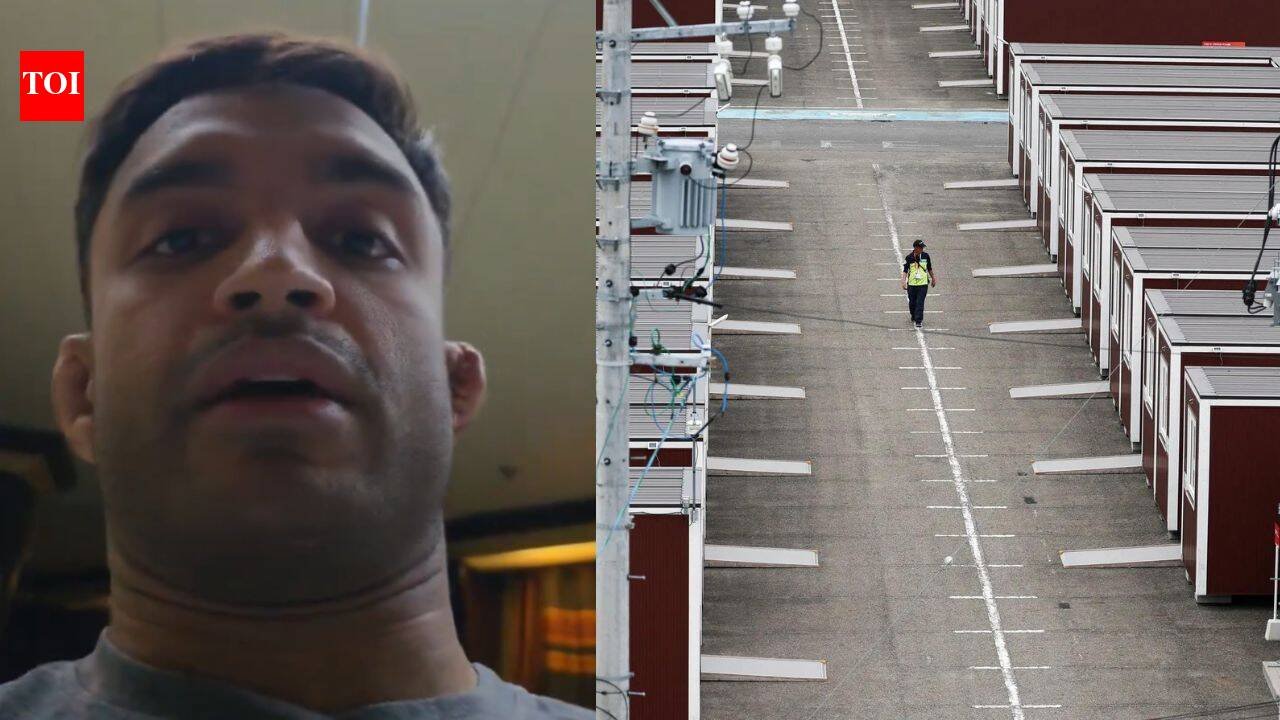
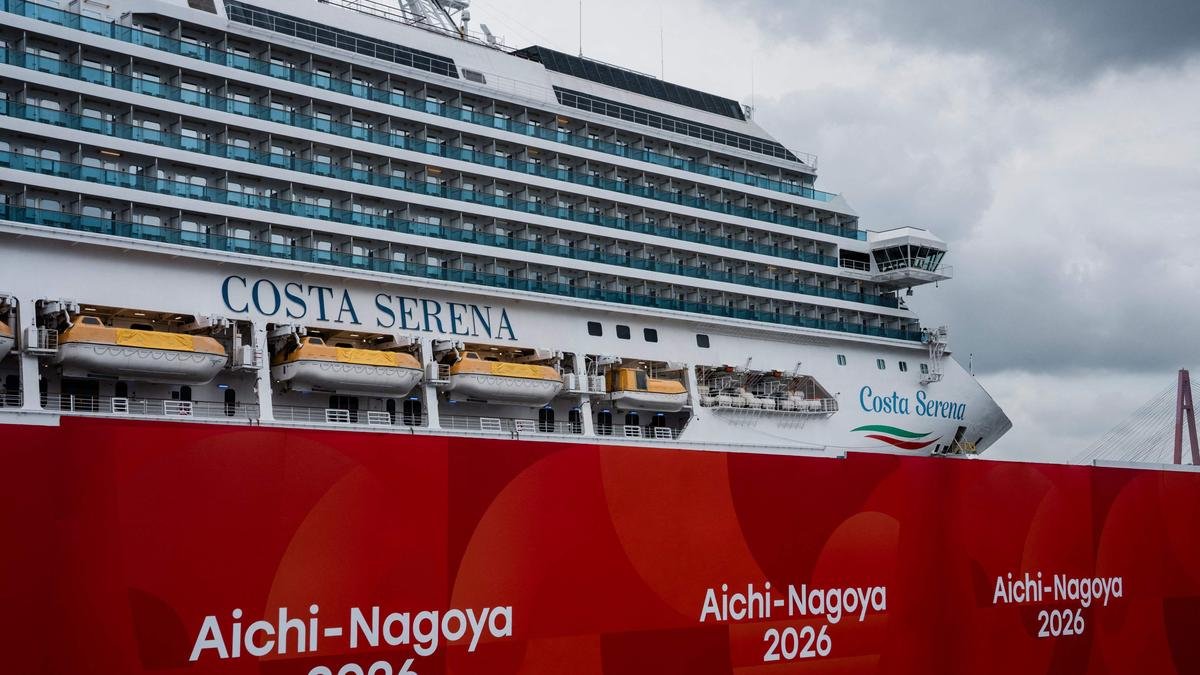
The officials fared no better. A quick ask around made it clear that it was becoming the norm, with athletes from several countries suffering similar fate. The accommodation — on cruise ship Costa Serena and modified shipping containers in keeping with the organisers’ insistence on sustainability — has also come in for criticism, both for poor quality and insufficient quantity.
Videos of the containers have been shocking to say the least, resembling detention centres than athlete residences. South Korea’s Byun Jun-hyung, member of the basketball team, took to social media to show a leaking sink and wet floor, pleading “Please help me.” An image of Indian shot putter Tajinderpal Singh Toor showed him in his allotted container, with the space and beds clearly too small for him.
There have been logistical issues as well, with Korea and Qatar football teams being bussed to the baseball stadium on Tuesday. The Chinese badminton team had to rely on local Chinese to travel from the airport. Many Indian athletes, who did finally manage to get places to stay, were welcomed with closed shutters and a notice on Thursday morning saying breakfast was not included in their bookings.
“The organisers have washed their hands of everything and said that there is no accommodation and that we need to manage things ourselves. We have got our rowers and other athletes booked into different hotels. There is hardly any support or facility at the airport.
“I am staying in a small container but imagine the plight of athletes who are taller and muscular. We have been raising the issues every day at the CDM meetings and will do it again tomorrow (Friday),” Indian contingent’s Chef de Mission (CDM) Sahdev Yadav said.
“There have been cases where coaches, team officials, and athletes have been assigned the same room. There are also situations where room assignments were made purely based on the numbers. It creates challenging situations such as men and women being assigned together,” Japan’s deputy Chef de Mission Hisashi Mizutori told a news conference on Thursday.
The positive, of course, remains the volunteers but they are few and far between that they are practically non-existent. The city has nothing to indicate an event of this magnitude is happening: there is practically no promotion and many locals did not even know the Asian Games were beginning in a day.
Japan might still pull it off. But the claims of perfection have been undone.