The Telangana government has proposed introducing a new bill to replace the seven-decade-old Greater Hyderabad Municipal Corporation (GHMC) Act to govern Hyderabad’s civic administration, in view of the massive expansion of the metropolitan region over the years, officials familiar with the development said on Monday Updated on: Jul 7, 2026, 09:16:52 IST By Srinivasa Rao Apparasu, Hyderabad Prefer HTon Google Share via Copy link The Telangana government has proposed introducing a new bill to replace the seven-decade-old Greater Hyderabad Municipal Corporation (GHMC) Act to govern Hyderabad’s civic administration, in view of the massive expansion of the metropolitan region over the years, officials familiar with the development said on Monday.
India News A draft of the proposed legislation — the Telangana Core Urban Region (Integrated Governance) Bill, 2026 (CURE Bill) — was uploaded on the GHMC website on Sunday, inviting suggestions and comments from citizens and other stakeholders.
According to a senior GHMC official, the GHMC Act, 1955, despite being amended from time to time, is no longer adequate for a metropolitan region that has expanded far beyond the old city limits.
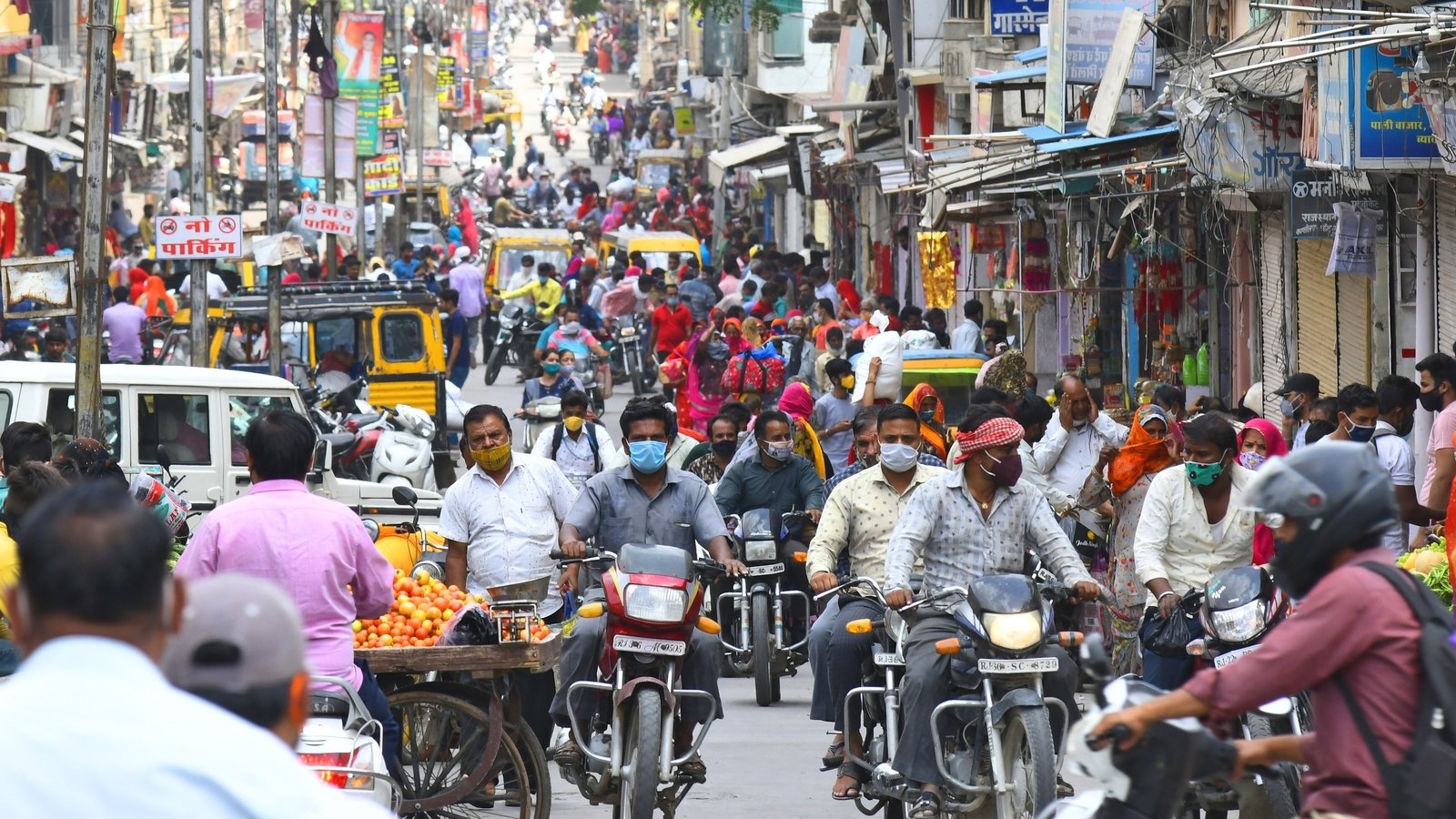
“Hyderabad has grown from a city of around 15 lakh people in the 1950s to an urban agglomeration of nearly 1.3 crore people, with multiple civic agencies sharing responsibilities over planning, roads, water supply, transport, disaster management and public services.
The new bill seeks to bring these functions under an integrated governance framework,” the official said.
The proposed legislation seeks to establish an integrated governance framework covering the three municipal corporations created after the government’s recent reorganisation of the expanded GHMC — Greater Hyderabad Municipal Corporation (GHMC), Cyberabad Municipal Corporation (CMC), and Malkajgiri Municipal Corporation (MMC) — while allowing decentralised administration at the corporation level.
The government has invited suggestions from citizens, resident welfare associations, industry bodies, urban planners and other stakeholders until July 24 through the websites of the respective civic bodies before introducing the final legislation in the state legislature.
One of the key reforms proposed in the bill is the replacement of the existing annual rental value-based property tax system with a capital value system.
Under the proposed system, property tax will be calculated on the basis of the government’s market value of properties used for registration purposes instead of their rental value.
Officials said that since market values are substantially higher than rental values, which have remained largely unchanged for years, the move is expected to significantly increase property tax collections.
Estimates suggest that tax liability could nearly double for many property owners.
To reduce the immediate financial impact, the revised tax structure will be implemented in phases for existing buildings, while all new buildings will come under the Capital Value System from the outset.
The bill also proposes several other tax reforms, including self-assessment of property tax, the introduction of an integrated property identity code, rebates for timely payment of property tax, incentives for sustainable or environmentally friendly buildings, and the abolition of obsolete levies such as octroi and dog tax.
To improve coordination among various agencies, the bill proposes the creation of several statutory bodies for functions such as protection of public assets and lakes, traffic management, road safety, disaster management, conservation of heritage structures, and climate action.
The draft legislation also formally integrates HYDRAA into the governance framework, assigning it responsibility for protecting lakes, drains and government lands while defining coordination mechanisms with other agencies.
It further proposes the inclusion of a transgender person as a member of municipal authorities to improve representation in local governance.
The bill also removes certain outdated election disqualification provisions considered obsolete.
ABOUT THE AUTHOR Srinivasa Rao Apparasu Srinivasa Rao is Senior Assistant Editor based out of Hyderabad covering developments in Andhra Pradesh and Telangana .
He has over three decades of reporting experience.