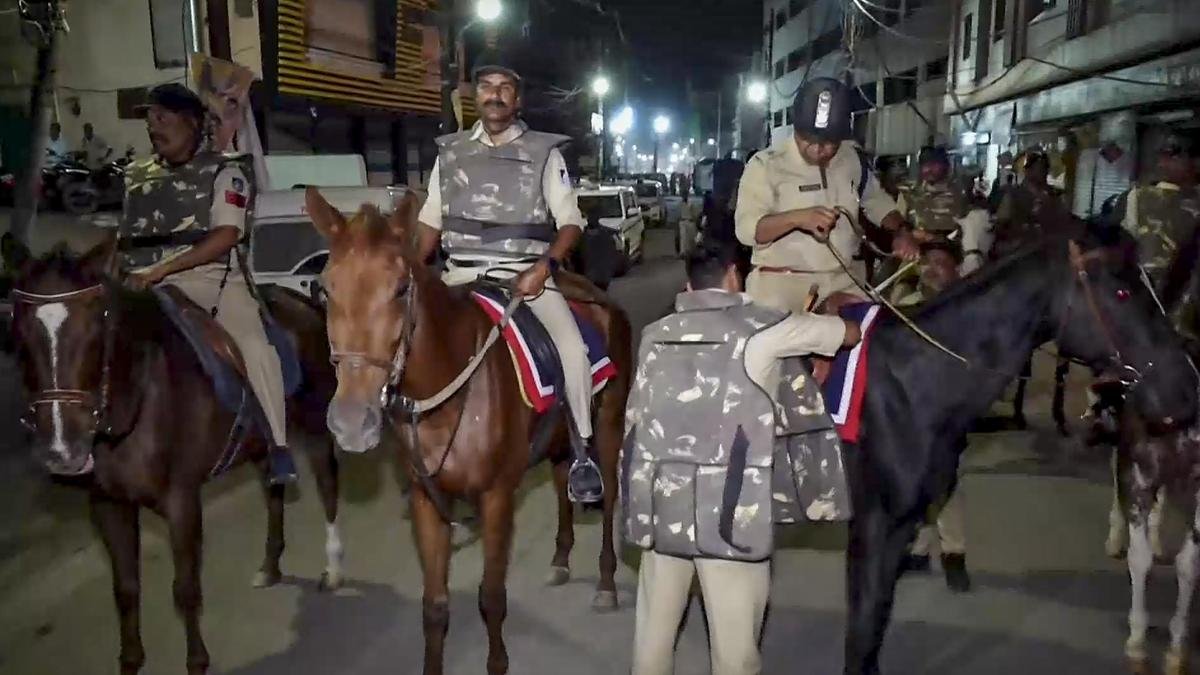
A biodiversity awareness camp spanning five days replaced classrooms with forests, mountains, streams, reservoirs, and diverse habitats in Anamalai Tiger Reserve for a group of students and faculty of Government Arts and Science College (Autonomous), Coimbatore, deepening their understanding of wildlife conservation.
As members of the institution’s Environmental Forum, they gained first-hand experience of observing and appreciating nature’s facets through nature walks, bird watching, and field studies.
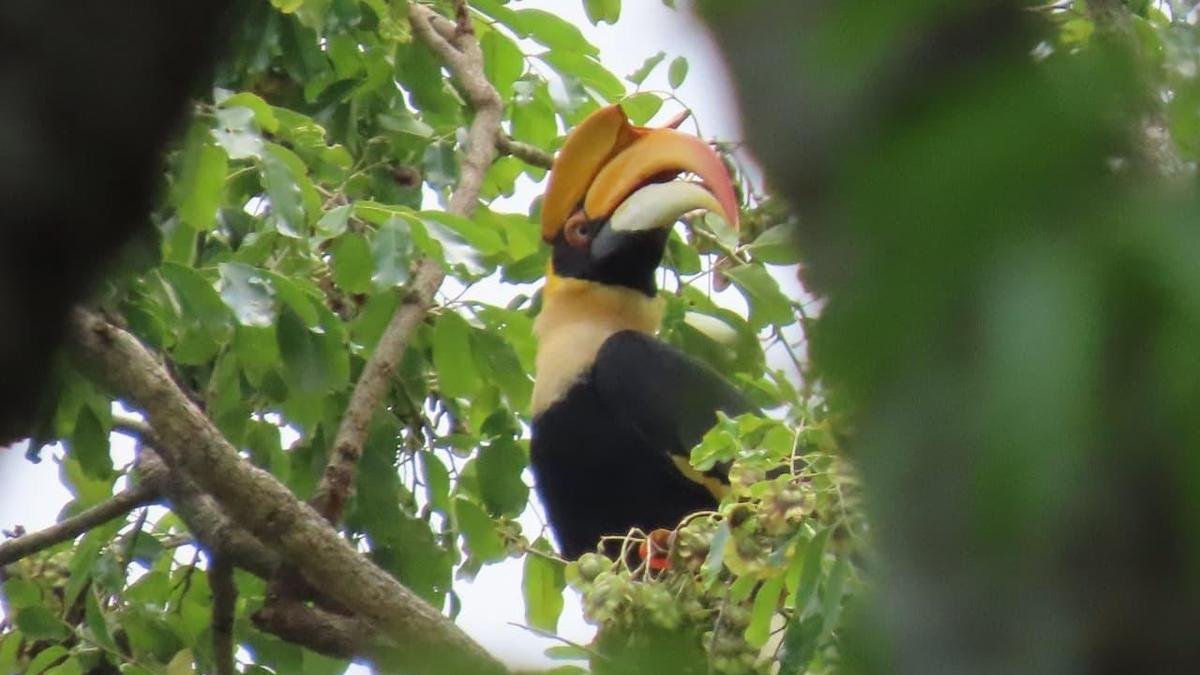
En route Valparai on the first day, they came across monkeys and Nilgiri Tahr, and, according to the members, the sight of a flock of Great Hornbills taking off at one go was a lifetime experience.
Likewise, their visits to Kadambarai Dam and Upper Aliyar Reservoir provided insights into the conservation of water resources, according to Premalatha, Associate Professor of Zoology Department.
At the Teak to Tiger Gallery, also known as Attakatti Wildlife Interpretation Centre, they were apprised about rainforests, trees, wildlife, forest resources, forest conservation, and forest management, and at the Hornbill View Point and Anamalai Orchidarium, they witnessed about 80 endemic orchid species on display.
The awareness camp also encompassed visits to the NCF (Nature Conservation Foundation) nursery where they gained first-hand knowledge about rainforest conservation and rainforest restoration efforts.
The challenges related to elephant conservation, human-wildlife interactions, and human-elephant conflict were explained to them by a team of NCF ecologists.
Besides the great hornbill, the team also documented several other bird species including Malabar grey hornbill, Malabar whistling-thrush, Malabar parakeet, and white-bellied treepie; and elephants and other mammals such as gaur, barking deer, and Malabar giant squirrel; besides red pierrot and chocolate pansy butterflies, and common crow caterpillar.
The team returned with a realisation that conservation is all about embracing the entire ecosystem.