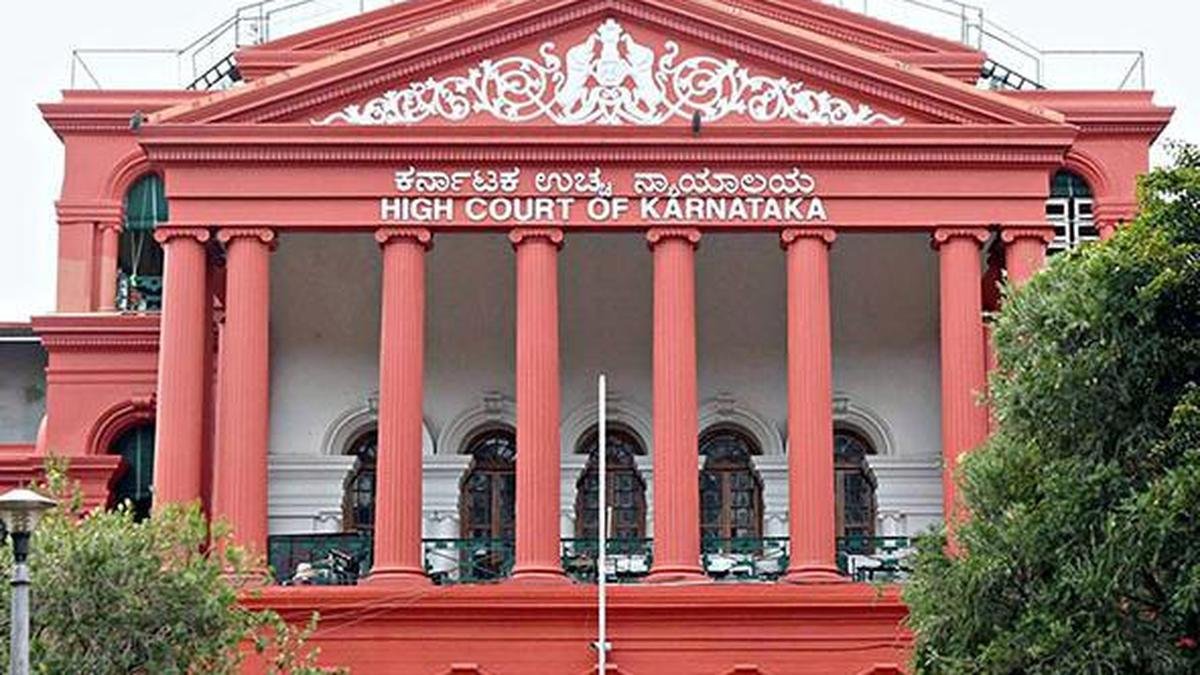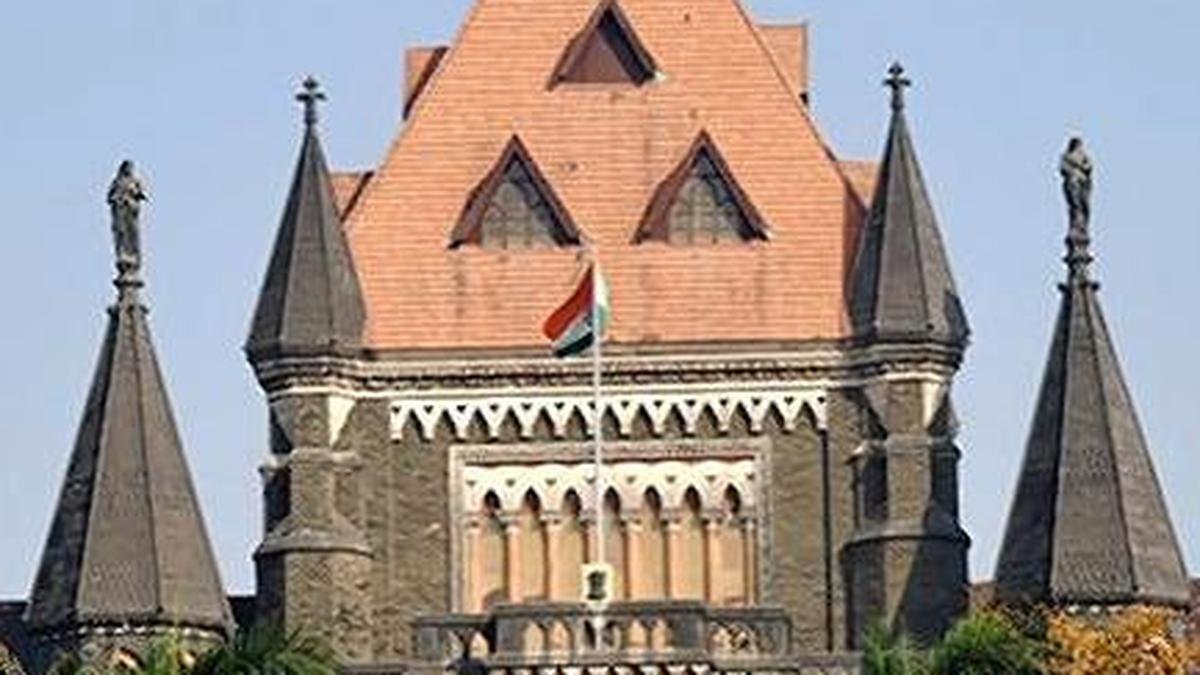
The Bombay High Court on Thursday (August 27, 2026) upheld the validity of the Goa Municipalities (Amendment) Ordinance, 2026, while directing the Goa State Election Commission (GSEC) to complete elections to 11 municipal councils by January 2, 2027.
A division bench of Justice Valmiki Menezes and Justice Hiten Venegavkar made it clear that the Constitutional mandate under Article 243U must be followed, regardless of administrative convenience or proximity to State Assembly elections.
“No Government has a Constitutional entitlement to choose a politically convenient date for an election whose periodicity is fixed by the Constitution,” the bench observed in its August 25 ruling. “No Legislature can proceed on the assumption that enactment of a new electoral requirement automatically supplies additional constitutional time for its implementation.”
The 232-page judgment, authored by Justice Venegavkar, addressed a batch of petitions challenging the ordinance introduced in April 2026, which substantially changed the process of delimitation and reservation of municipal wards.
The petitioners argued that the ordinance was introduced after the GSEC had commenced preparations for elections. The existing municipalities’ terms were set to expire in March and May 2026. The petitioners contended that the ordinance forced a restart of the entire election process, delaying it further.
The GSEC stated that it could not proceed without proper consultations with the State on delimitations and other matters. The government argued that Article 243U does not freeze the State’s powers to amend election laws.
While upholding the ordinance’s validity, the bench ordered that Article 243U provisions must be followed scrupulously.
“The Commission was constitutionally obliged, once the Ordinance intervened, to ensure that the transition from the old regime to the new one caused the least possible additional loss of time,” the court said. “A valid change in the statutory foundation justified such repetition as the new law genuinely required, it did not justify treating every prior act as wasted work.”
The court emphasised that the State Election Commission occupies an independent Constitutional position. “That independence requires constitutional distance from executive convenience, but it equally requires cooperation where the statute legitimately assigns interdependent functions to different authorities.”
Addressing concerns that the ordinance was introduced to align civic elections with State Assembly polls, the bench directed that the municipal election process must be completed by January 2, irrespective of Assembly election schedules.
“If additional personnel, vehicles, security arrangements or other resources are required to ensure that the municipal process is completed before the Assembly election machinery becomes fully engaged, it is for the State Government to make those arrangements,” the court stated. “An anticipated future demand upon the same administrative machinery cannot legitimise continuation of an existing breach of Article 243U.”
The court further observed that Article 243U operates through multiple institutions including the State Legislature, the State Government, the State Election Commission, and specialised bodies performing antecedent functions concerning reservation or empirical inquiry.
“Their functions are distinct, but the constitutional result is indivisible: an elected Municipality must be democratically reconstituted within the period prescribed by the Constitution,” the bench noted. “No authority can therefore treat compliance with Article 243U as the responsibility of another.”
The bench ruled that neither the State nor the Commission can invoke statutory change as a complete answer to constitutional default. “The Commission cannot say that because the statute requires consultation, empirical data or other action by different authorities, its constitutional obligation remains suspended until those authorities act.”
With these directions, the court disposed of the petitions.