Rolling coverage of the latest economic and financial news
5m agoVAT cut on electricity bills is positive but 'not a cure', energy campaigner says
14m agoIntroduction: Burnham cuts VAT on household electricity bills
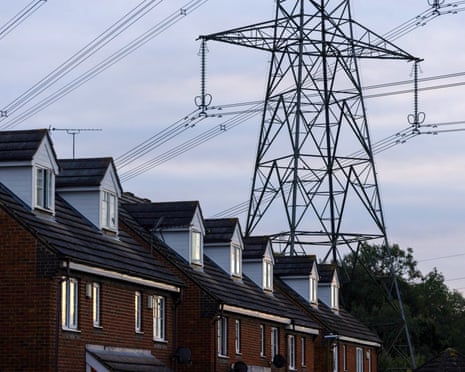
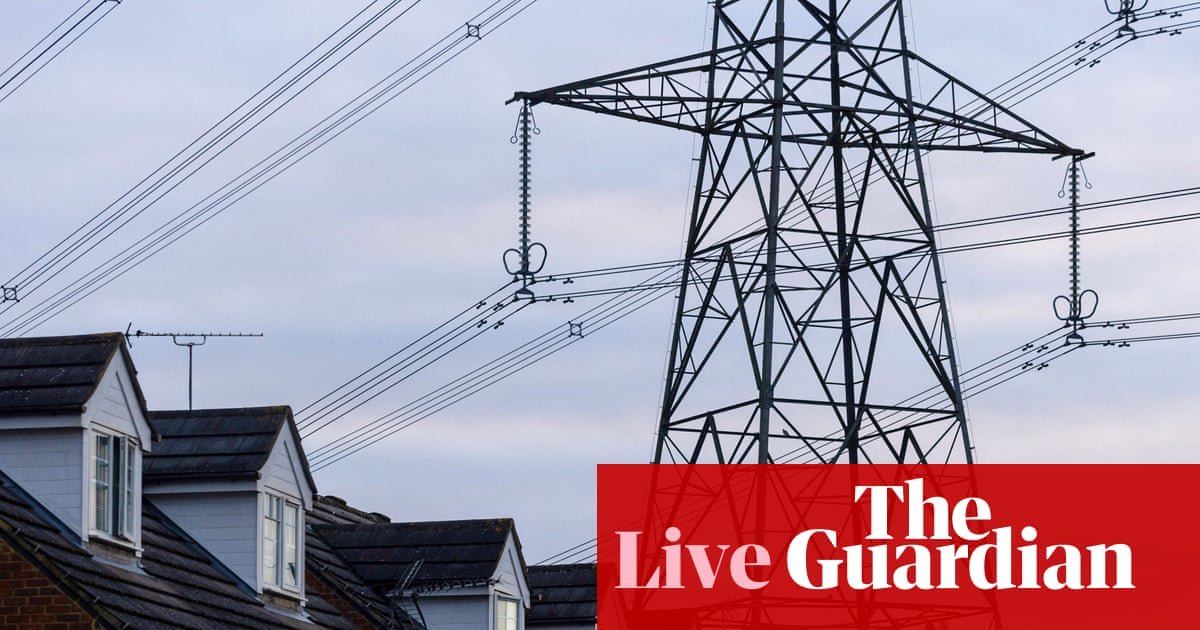
The removal of VAT from electricity bills is positive but it does not address the scale of the problem that British households are facing, campaigners at the End Fuel Poverty Coalition have said.
Simon Francis, coordinator of the group, said:
Removing VAT from electricity bills is a positive statement of intent by the new administration. But it does not address the scale of what households are facing, with millions still left paying an unaffordable share of their income on energy and record levels of energy debt built up over successive winters of high bills. The prime minister’s next move must be to go even further on bringing down the cost of energy and bringing in increased levels of targeted support for those who need it most: an enhanced warm home discount, reformed cold weather payments and an energy debt relief scheme. This breathing space is also not a cure. The only way to bring bills down for good is to change how they are set. That means breaking the link between gas and electricity prices, tackling excess profits in the energy industry and ending our exposure to volatile fossil fuel markets through homegrown renewables and more energy efficient homes.
But many in the energy industry are welcoming Burnham’s move today, including Martin Pibworth, chief executive of SSE,:
Cutting VAT gives immediate relief to homes and businesses and is a very welcome first step to making electricity as cheap as possible. Electrifying our economy is the way we take advantage of cheap, homegrown renewable power to cut bills, reduce energy dependence and boost economic growth.
SSE added that its analysis found that 70% of the increase in domestic energy bills since 2017 has been driven by global commodity prices and inflation.
Richard Neudegg, director of regulation at Uswitch.com, added that the removal of VAT on electricity bills in October could help households deal with global rises in energy prices triggered by the conflict in the Middle East.
There is continued pressure on wholesale prices, driven by the situation in the Middle East, meaning it is likely that the October 1 price cap will increase. Some supplier predictions suggest the next price cap could rise 5% from October for a household with both gas and electricity, so this tax change could take the sting out of a potential increase. There’s still time for customers to lock in significant savings before winter by switching to a good-priced fixed tariff. The cheapest deals are currently undercutting standard rates by £210 for the average household. Doing so on top of this VAT change could leave households considerably better off over the winter.
There is continued pressure on wholesale prices, driven by the situation in the Middle East, meaning it is likely that the October 1 price cap will increase.
Some supplier predictions suggest the next price cap could rise 5% from October for a household with both gas and electricity, so this tax change could take the sting out of a potential increase.
There’s still time for customers to lock in significant savings before winter by switching to a good-priced fixed tariff.
The cheapest deals are currently undercutting standard rates by £210 for the average household. Doing so on top of this VAT change could leave households considerably better off over the winter.
Good morning, and welcome to our rolling coverage of business, the financial markets and the world economy.
New prime minister Andy Burnham has announced this morning that VAT will be cut from household electricity bills, as part of his plan to help with the cost of living.
The PM has said he will remove the levy from 1 October, in a move that is expected to take around £45 off the yearly price cap set by the energy regulator.
The government said the decision would be funded by savings from the cancellation of its digital ID programme, which was expected to cost £1.8bn over the next three years. The VAT cut is estimated to cost around £850m in 2026/27 based on forecasts for electricity prices, ministers said.
Burnham said in a statement:
Westminster has not been working for people for too long, with families struggling with the cost of living. That needs to change. I said I wanted to give people breathing space, and that’s what I’m announcing on my second day as prime minister. We’re taking immediate action to cut taxes on energy bills, put more money in people’s pockets and bring back hope.
Westminster has not been working for people for too long, with families struggling with the cost of living.
That needs to change. I said I wanted to give people breathing space, and that’s what I’m announcing on my second day as prime minister.
We’re taking immediate action to cut taxes on energy bills, put more money in people’s pockets and bring back hope.
It comes just a day after Burnham officially became prime minister with a pledge for a “new economic model” for the country.
But the government added this morning that “any further action, including on funding for longer-term measures, will be taken at the budget, and all decisions at that point will be funded and also consistent with the government’s fiscal rules.”
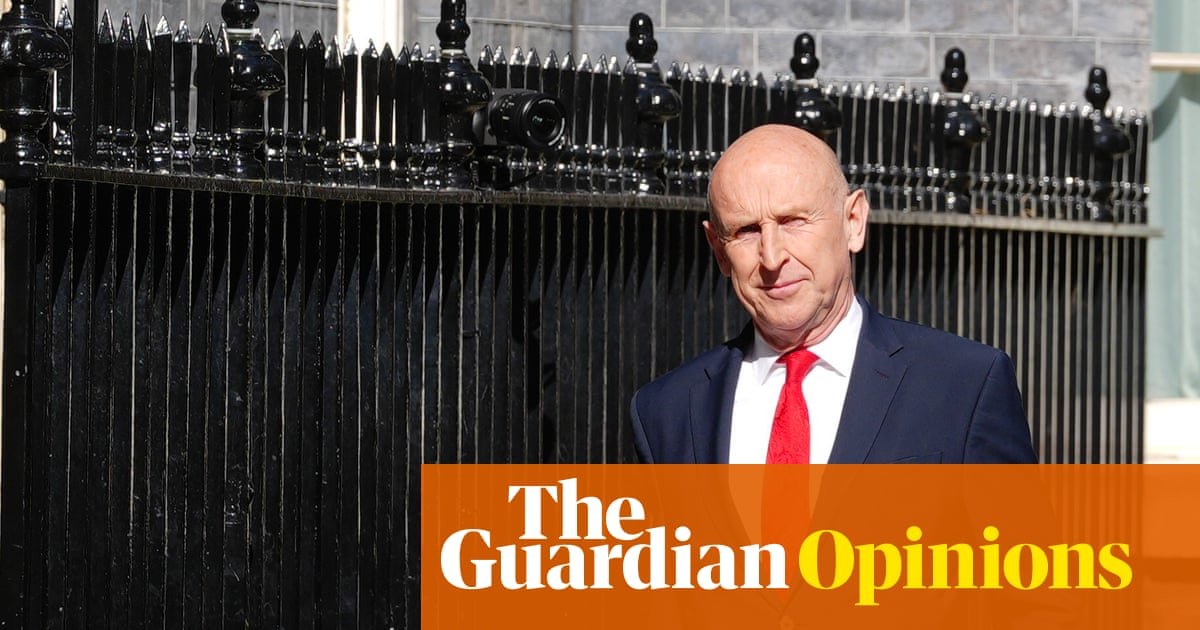
Investors will be watching the bond market carefully today as it weighs the appointment of Burnham’s new cabinet, including the surprise appointment of former defence secretary John Healey as chancellor.
Public sector finance figures released this morning should provide a boost – borrowing for June came in at £15.989bn, below expectations of £18bn and down from £23.94bn a year earlier.
The difference between total public sector spending and income was £16bn in June 2026, according to data from the Office for National Statistics. This was £7.9bn (33.1%) less than in June 2025.
It was £300m lower than the Office for Budget Responsibility (OBR) forecast, largely because of lower inflation-linked debt interest costs.
This should offer some comfort to bond investors today, alongside Healey’s comments last night:
Fiscal control is the first duty of any chancellor. It is mine. And fiscal credibility is the bedrock for economic stability and for national security, and you heard the prime minister this afternoon say, in this more dangerous world, we will meet our commitments on defence to our international allies…
The agenda
7am BST: ONS Labour market figures and public finances
Today: New PM Andy Burnham to announce cost of living measures