Figure caption, Carney eyes 'other options' for embattled Canadian auto sector on China trip ByNadine YousifSenior Canada reporter Published 17 November 2026, 15:17 GMT Updated 2 minutes ago Canada's car industry has become one of the clearest stress tests for Ottawa as it grapples with US tariffs on the sector.
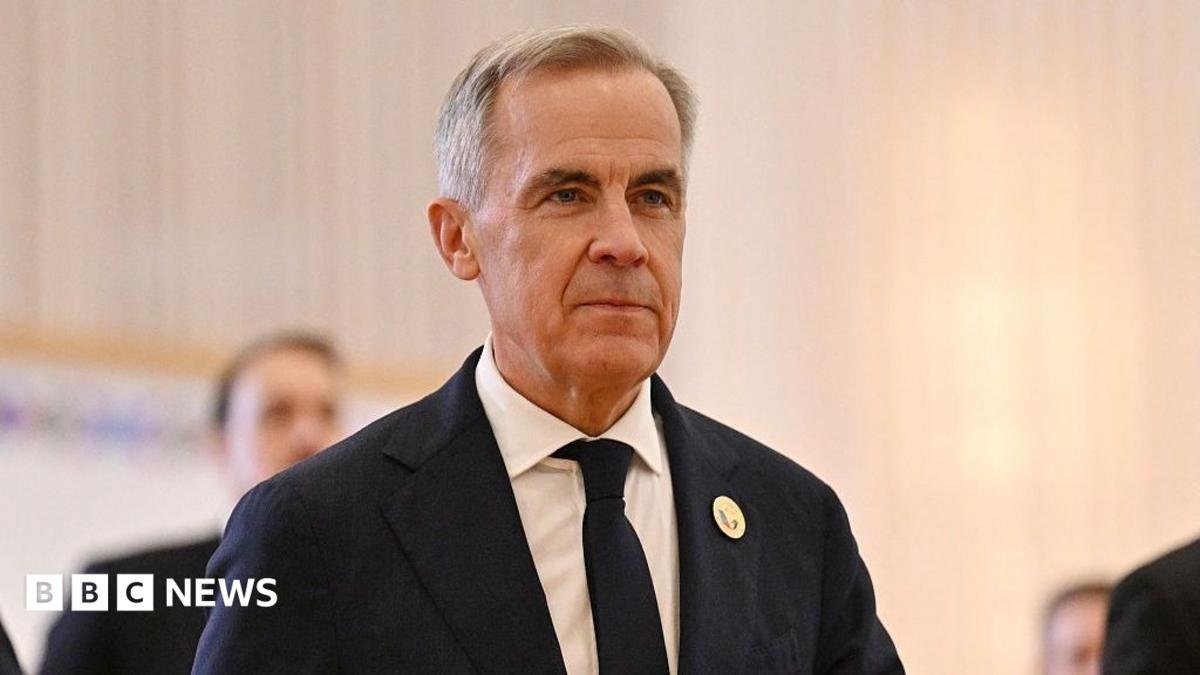
Now Prime Minister Mark Carney has signalled that he is looking to China, where he is on a visit for the Asia-Pacific Economic Cooperation summit (Apec), as part of the solution.
But that avenue is not without controversy, and is once again drawing the ire of those close to Donald Trump.
While in Cambodia earlier this week, Carney told reporters that Canada could turn to European and Asian carmakers to save its auto manufacturing sector if a trade deal with the US could not be reached.
If Canadian auto workers are "not fully utilised in a North American context, that provides other opportunities.
"Canada's going to move forward either way," he said.
He went on to meet Chinese President Xi Jinping in China on Tuesday for their second head-to-head in less than a year.
The two talked of the importance of developing their relations, and Carney said they had agreed to further tariff cuts.
Neither side mentioned vehicles specifically, though analysts suggest the issue will have been prominent in their minds.
Image caption, Carney and Xi met on Tuesday to discuss cooperation and trade ahead of this week's Apec summit In January, Carney said that opening the door to China's electric vehicles, external (EVs) could result in investment into Canadian-owned companies and the creation of manufacturing jobs in the sector.
American tariffs on imports of Canadian-made vehicles have led to thousands of job losses in Canada and anxiety over the future, as 90% of cars made in Canada are shipped to and sold in the US.
At the same time, China has been eyeing Canada as a potential entry-point to the North American EV market.
Earlier this year, Canada announced that it would let in 49,000 EVs from China at a low tariff rate, with plans to raise that quota gradually to 70,000 by 2030.
The move was a significant break from the US, which tariffs Chinese EVs heavily to protect domestic manufacturing.
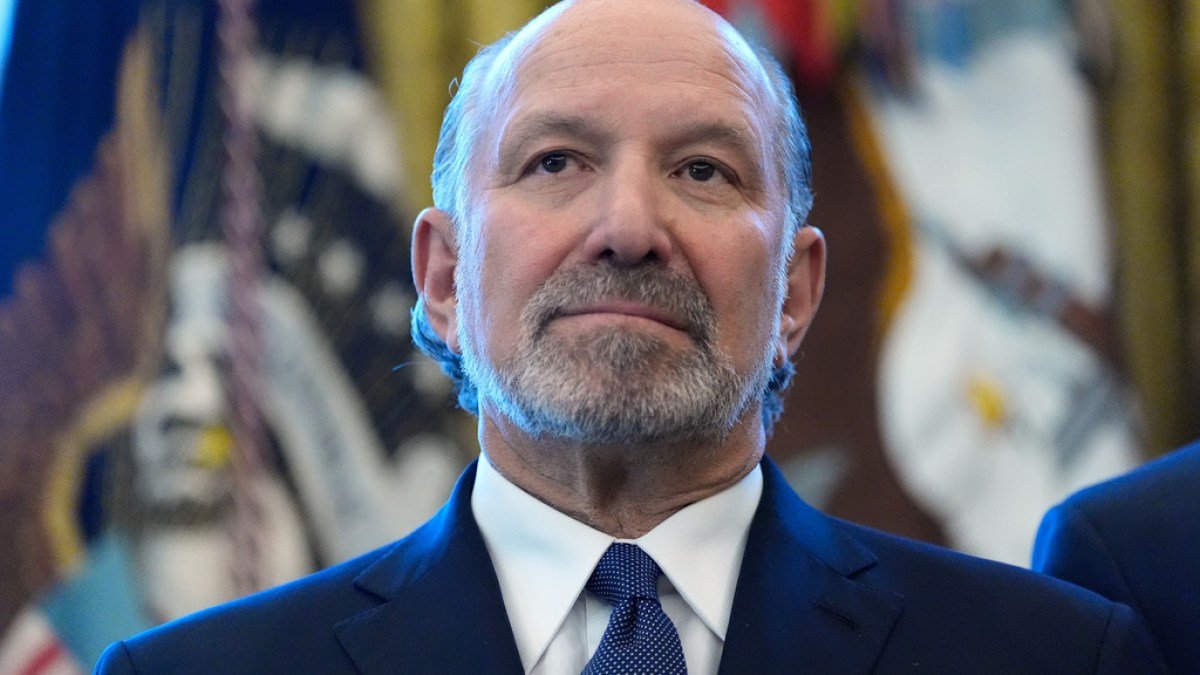
Peter Navarro, Trump's senior counsel for trade and manufacturing, warned the prime minister against cosying up to China in a post on X, external.
"Are u really threatening to play China off the US?
This is offensive in the extreme," he wrote on Monday.
"You should be far more worried China is going to eat Canada alive." His comments were reposted by Pete Hoekstra, the US ambassador to Canada.
Image source, Maninder Sidhu/X Image caption, Canada's international trade minister Maninder Sidhu toured a Chinese EV plant earlier this month Chinese EV manufacturers like BYD and Chery have already been lobbying the Canadian government for market access.
Last week, Canada's Minister of International Trade Maninder Sidhu toured a Chery plant in China, external.
He told reporters afterwards that Canadians could expect to see affordable Chinese EVs in Canada by early 2027.
These moves come as the toll of US tariffs on Canada's auto sector has become harder to ignore.
Stellantis, a multinational car manufacturer that made models like the Dodge Challenger in Canada, recently announced it would sell its assembly plant in Brampton, Ontario.
The facility had been idle since 2023 for a planned retooling, but what was supposed to be a temporary shutdown became permanent after Trump's tariffs.
The sale has led to speculation that a Chinese EV manufacturer could move into the facility, after Canadian media outlet CTV News reported, external, citing anonymous sources, that Stellantis was planning to lease back 25% of its plant to assemble "affordable" EVs.
The idea is unpopular with Ontario Premier Doug Ford.
In a letter to Carney, he warned against opening the door for Chinese EV kits to be assembled at the Brampton plant.
China overwhelmingly builds its cars at home and ships them whole - or to be assembled in kits - overseas.
Canada's deal with China signals it is serious about shift from US Published 16 January How China made electric vehicles mainstream Published 23 June 2025 Lynette Ong, director of the China Governance Lab at the University of Toronto, said introducing Chinese auto manufacturing in Canada would be "controversial" due to fears that Canadian jobs could be lost and that the North American industry could be eroded.
"We want to make sure they're hiring Canadian workers, that they are helping train Canadian workers and that they are transferring the technology over," Ong said.
Carney noted there are "clear guardrails" in how Canada deals with China, including barring work on sensitive matters like artificial intelligence and critical minerals.
Canada has also eyed other partnerships.
It is notably pursuing associate member status with the EU, and had signed a free trade deal with the Philippines earlier this week.
Just how much Canada is willing to embrace Chinese manufacturing, however, still depends on the outcome of ongoing US-Canada trade talks.
Progress has been made in negotiations, Carney recently said, but differences remain.
It is unclear if Trump and Carney will speak on the sidelines of the Apec summit later this week.