US president says new strikes are ‘retribution’ after ships hit in strait of Hormuz; Iranian state media report explosions in several locations
US carries out another wave of strikes on Iran
2h agoIran's top negotiator says strait of Hormuz will only open under 'Iranian arrangements'
2h agoKuwait says responding to 'hostile’ missile, drone attacks
3h agoMissile alerts sound in Bahrain and Qatar
5h agoIran to bury Khamenei in hometown as US ramps up strikes
6h agoUS senator Bernie Sanders condemns strikes
6h agoDonald Trump says latest strikes are 'retribution' for Iran bombing ships
7h agoUS strikes Iran after Trump threats - what we know so far
7h agoIran threatens 'massive' retaliation against US bases, state media report
8h agoUS confirms new strikes on Iran
The US has renewed strikes on Iran for a second day running, triggering Iranian attacks on Kuwait and Bahrain in the latest escalation to derail efforts to end the war.
President Donald Trump said he believed an interim ceasefire with Iran to be “over”.
We are closing this blog for now, but here is a quick recap of the latest:
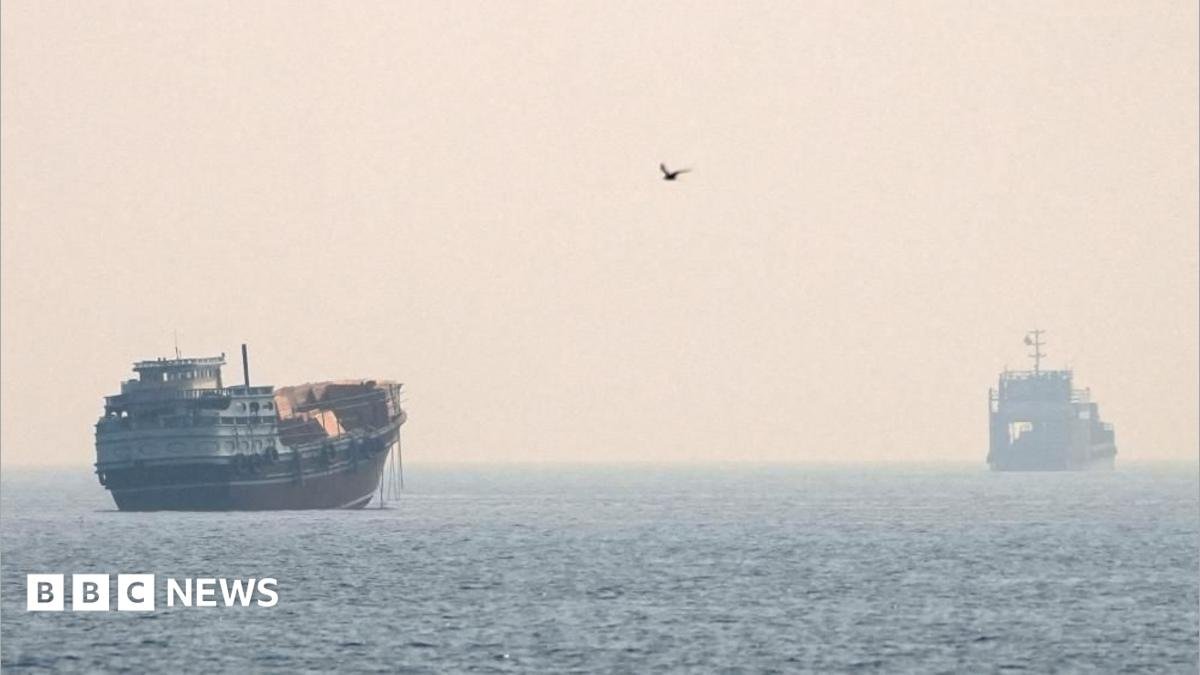
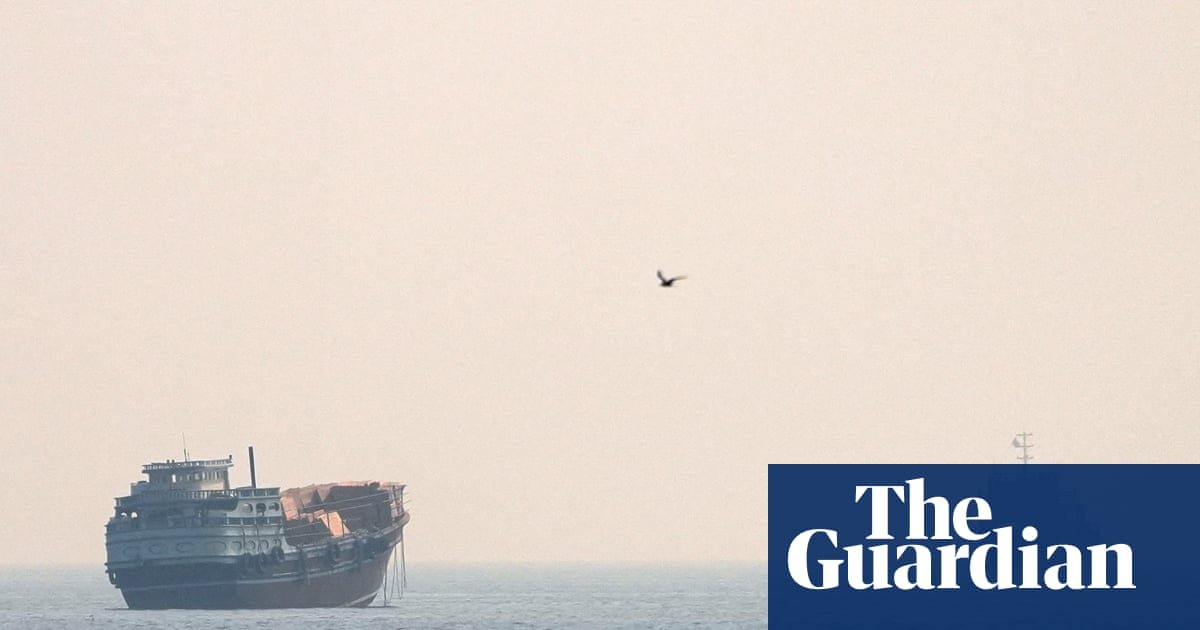
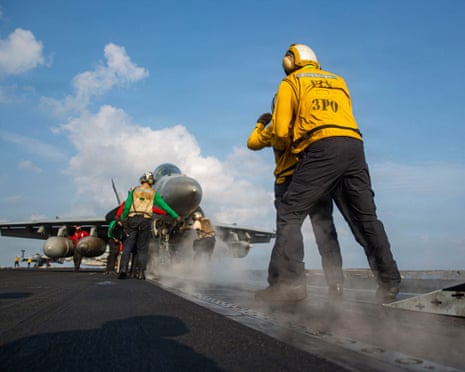
The US military’s Central Command (CENTCOM) wrote on X that the additional attacks against Iran were conducted to “further degrade their ability to threaten freedom of navigation” in the strait. The US strikes rattled several cities along Iran’s southern coast and left some areas without power.
Iran responded with a second day of attacks on Kuwait and Bahrain, both home to US military bases, with sirens sounded in both countries. Iran’s Revolutionary Guards said their response would extend to other US bases in the region if the US repeats its attacks.
Kuwait’s defense ministry said it was intercepting missiles and drones, while Qatar briefly issued an “elevated security threat” alert before later giving the all-clear.
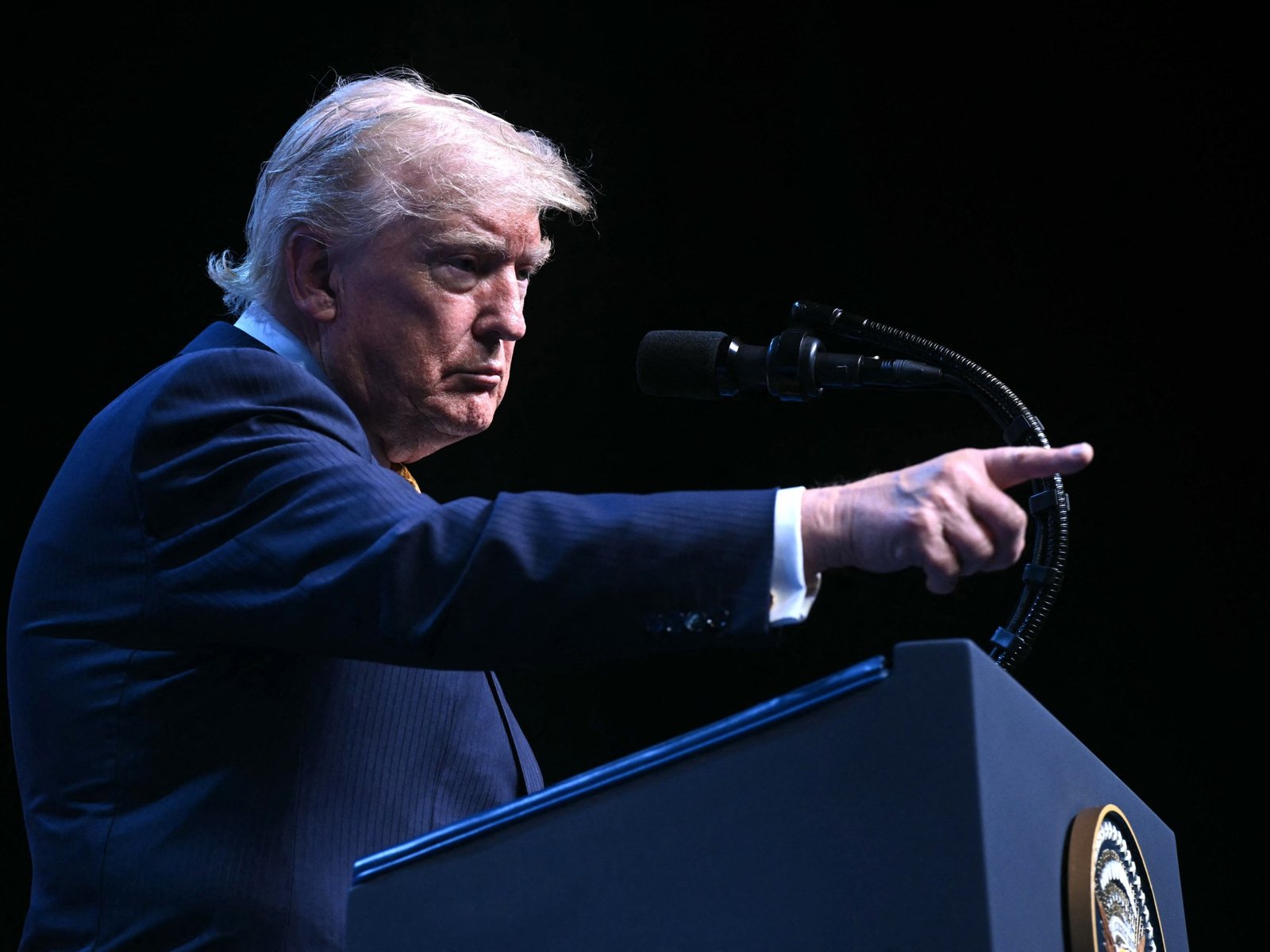
Trump vowed that ‘much worse’ was to come. “This is in retribution for yesterday’s bombing of ships by Iran,” he wrote on Truth Social, “If it happens again, it will get much worse!”.
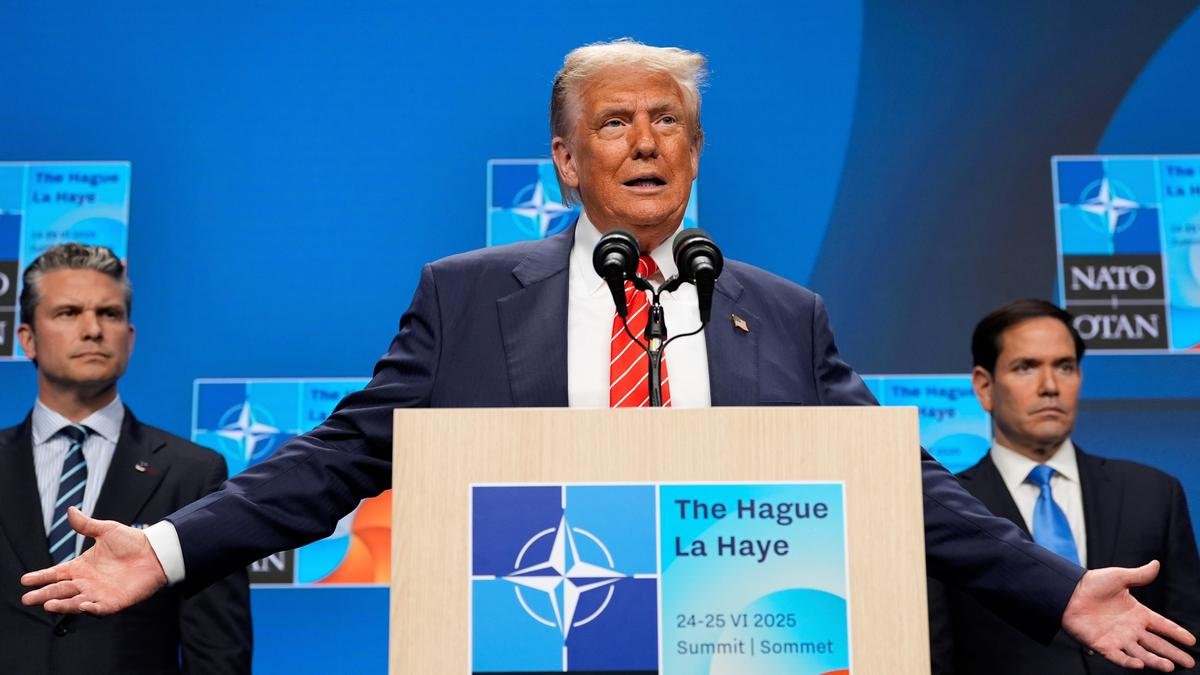
Asked before a Nato summit in Turkey on Wednesday whether the memorandum of understanding was over, Trump said: “It’s a very interesting question. To me, I think it’s over. I don’t want to deal with them.”
Iran’s top negotiator, Mohammad Baqer Qalibaf, vowed that the strait of Hormuz would remain under Iranian management. “The Strait of Hormuz will be reopened only under Iranian arrangements, not through U.S. threats,” he wrote on X.
The latest exchange of strikes appeared to dim hopes of turning a memorandum of understanding signed on 17 June into a permanent deal to end the war, which began with US-Israeli attacks on Iran on 28 February.
The fresh strikes come as Iranians are preparing to bury their late supreme leader Ali Khamenei in his home town of Mashhad in North-east Iran on Thursday, after he was killed in US strikes this February. The Ayotallah’s burial follows a multi-day funeral ceremony that attracted millions of mourners across various cities in both Iran and Iraq.
Control over the strait of Hormuz, and how it might be managed in the future is one of the key points of contention between the US and Iran.
Why does this narrow strait matter so much?
The strait of Hormuz is one of the most important arteries for global trade. About 20% of all oil supplies and about 20% of seaborne gas tankers pass through it.
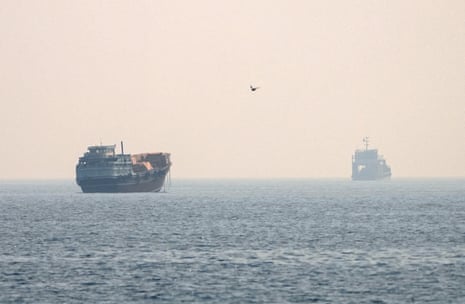
The strait lies between Oman and Iran. It links the Gulf to the north with the Gulf of Oman to the south and the Arabian Sea beyond. It is 20 miles (33km) wide at its narrowest point, with the shipping lanes just 2 miles (3km) wide in either direction.
This location makes it a crucial choke point for oil deliveries from Opec countries to customers in Asia. Options to bypass the strait are limited.
MB Ghalibaf has commented on the ongoing conflict, reiterating that Iran intends to control how the strait of Hormuz is managed.
Writing on X, he said:
America still hasn’t learned that bullying and breaking promises are no longer cost-free. Let me put it plainly: if you strike, you’ll get hit. Don’t flail around pointlessly, or you’ll sink even deeper: the Strait of Hormuz will only open with ‘Iranian arrangements,’ not American threats.
Kuwait’s air defences were intercepting “hostile missile and drone attacks”, its military said on Thursday.
The General Staff of the Army notes that any explosions heard are a result of air defense systems intercepting hostile attacks,” the Kuwait military said in a post on X, without specifying their origin.
Our full report of all the latest is here:
Bahrain’s interior ministry has confirmed the air raid sirens.
The siren has been sounded,” the interior ministry said in a post on X. “Citizens and residents are urged to remain calm and head to the nearest safe place.”
Missile alerts are sounding in Bahrain and Qatar after the US launched new round of airstrikes against Iran, the Associated Press is reporting.
There was no immediate word of any damage in the two Gulf Arab states.
We’ll bring you more details as they come in.
A few more images of the funeral procession ahead of the burial of former Iranian leader, Ali Khamenei, in his home town of Mashhad in northeast Iran.
The late supreme leader’s burial follows a multi-day funeral ceremony that has attracted millions of mourners across various cities in both Iran and Iraq.
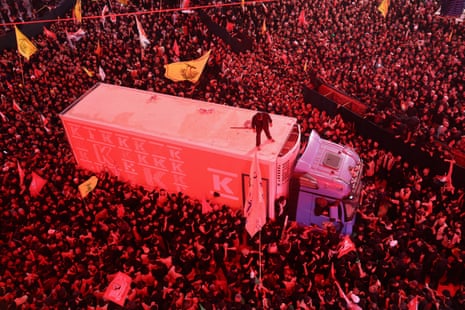
The coffin is being transported in a refrigerated vehicle, as seen above.
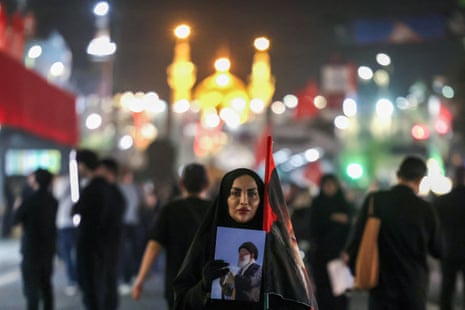
Interested in reading more about the mood in Iran, and the apparent lack of a circuit breaker in this conflict?
The Guardian’s Patrick Wintour has this analysis with the latest:
Trump says security concerns involving Iran weren’t a factor in flying two planes home from the Nato meeting in Turkey.
Asked if he was aware of any credible threats by Iran against Air Force One, the president brushed off the question.
I have a threat all the time. I’m number one of their list,” he said, repeating earlier comments that he’s one of Iran’s top assassination targets.
He said the newer plane was sent ahead to a military base in the United Kingdom so service members there could see it. Reporters travelling with Trump told him they were asked to keep their window blinds closed during the flight from Turkey to the UK aboard the older Air Force One.
Iran state news agency Irna has reported that a firefighter has been killed after an attack on Iranshahr Airport in South-eastern Iran.
Iranians were preparing on Thursday to bury their slain leader Ali Khamenei in his hometown of Mashhad in northeast Iran, as new US strikes threatened to trigger a fresh escalation in the Middle East war.
The late supreme leader’s burial follows a multi-day funeral ceremony that attracted millions of mourners across various cities in both Iran and Iraq.
Here are some images of those scenes across Iran in recent days.
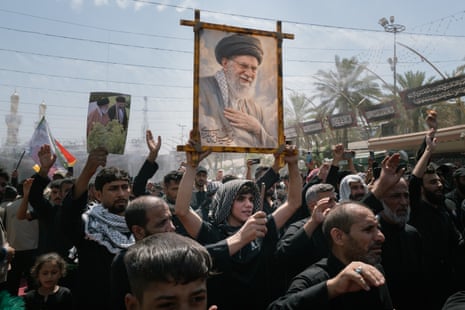
Khamenei was killed on 28 February, the first day of the US-Israeli strikes that started the war.
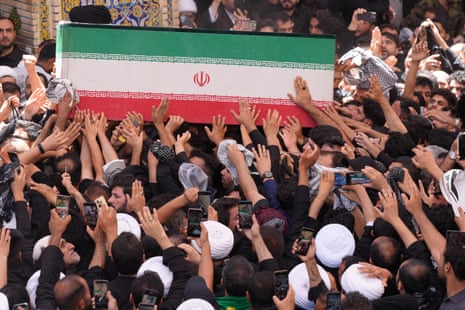
After a marathon procession through the holy cities of Najaf and Karbala in neighbouring Iraq on Wednesday, he was to reach his final place of rest in the holy city of Mashhad.
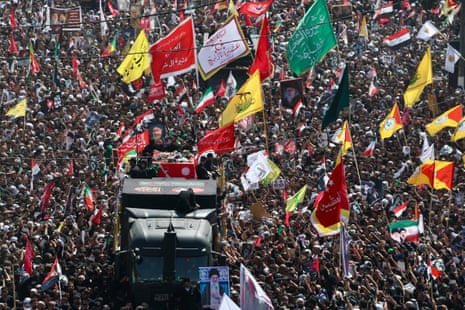
Mashhad governor Hassan Hosseini was quoted on state television as saying he “expects 15 million people” to attend Khamenei’s funeral.
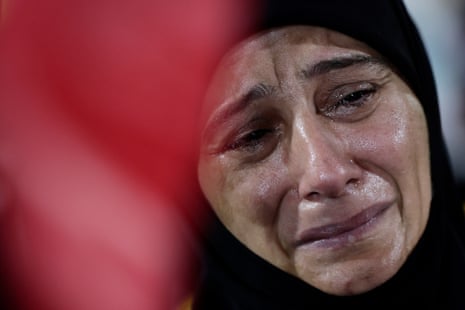
According to the official IRNA news agency, Khamenei is to be buried Thursday evening in the Shrine of Imam Reza – Iran’s most revered place of worship. Imam Reza is the only one of the 12 Shia imams buried in Iran.
US-Israel war on Iran
Middle East and north Africa