UK politics live – latest updates
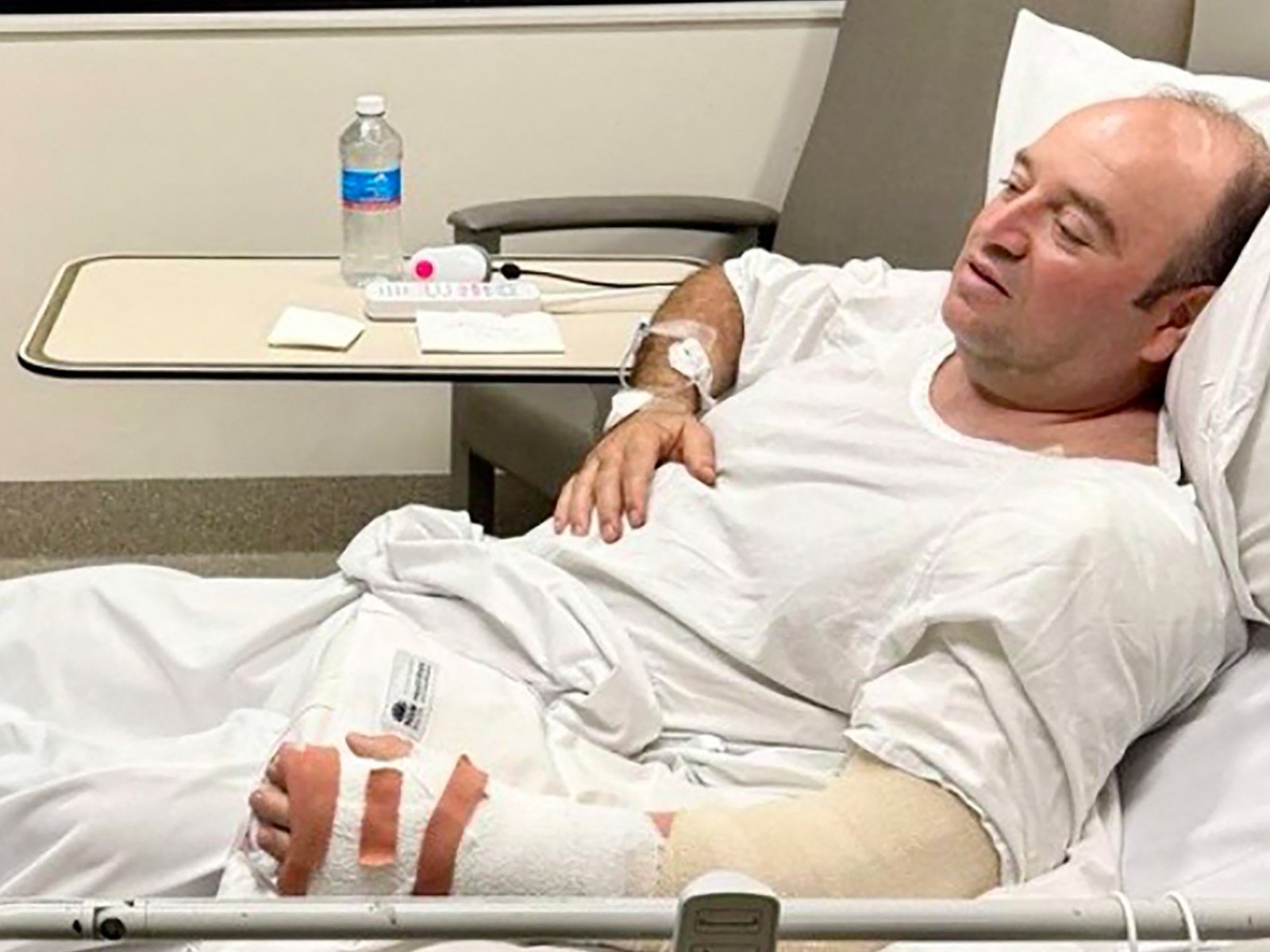
Channel 4’s decision to give Huw Edwards a platform is “deeply disappointing”, the education secretary has said, as survivors of sexual abuse called on the broadcaster to cancel plans to air the documentary.
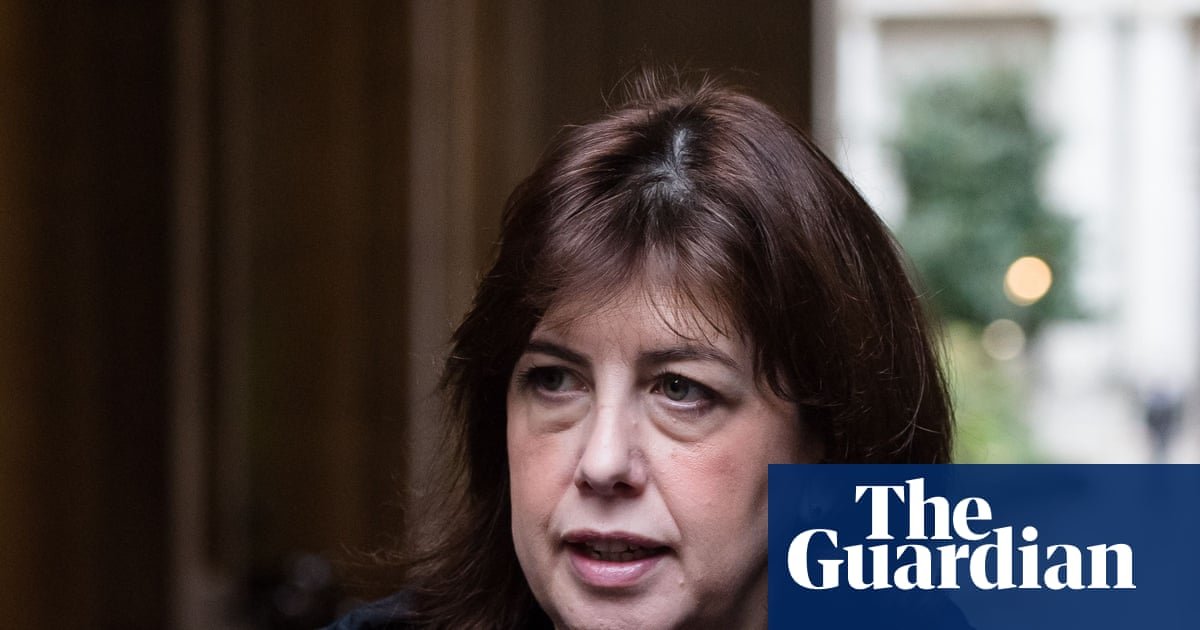
Lucy Powell said she would not be watching the documentary and that the public had “heard enough” from Edwards, especially given victims of sexual abuse were not given the same powerful platforms.
Her comments come as several government ministers have expressed their discomfort with the documentary, but have stopped short of appearing to interfere with the broadcasters editorial decisions.
Speaking to Sky News on Sunday, Powell said: “I certainly find it deeply disappointing to give a platform to somebody who has been found guilty of such offences when the victims themselves don’t have the same kind of platform.
“I won’t be watching it or engaging with it, obviously. And frankly I think we’ve heard enough from Huw Edwards over recent years.”
Powell stopped short of calling for the documentary to be scrapped, insisting that politicians should not interfere in broadcasters editorial decisions. But she stressed that more consideration should be given to victims.
On Sunday, a coalition of charities for survivors of sexual abuse and the broadcasting union Bectu published an open letter calling on Channel 4 to pull the documentary, describing the decision to give airtime to a convicted child sexual abuse offender as irresponsible journalism.
The open letter says: “As survivors of sexual violence and child sexual abuse, together with allies, we are uniting to demand that Channel 4 pull the broadcast of Huw Edwards – Guilty. It is deeply distressing and an insult to every survivor in the UK carrying the trauma of these crimes.
“While we struggle every day to be heard, believed and accurately represented in the media, a convicted offender is given a platform to trivialise and justify his abuse,” the letter added.
Edwards, 65, pleaded guilty to three counts of making indecent images of children in July 2024. He was sentenced to six months in prison, suspended for two years, after receiving 41 indecent images of children on WhatsApp.
Huw Edwards – Guilty is due to air on Tuesday and follows the former newsreader over the course of almost a year at his home in rural Wales.
Downing Street said on Friday it had “no interest in hearing from Edwards” and broadcasters had a responsibility to consider their audiences when making editorial decisions.
The environment minister Emma Hardy had said the decision to give Edwards a platform made her “feel sick” and the Home Office minister Anna Turley said the interviews made her “deeply uncomfortable”. The shadow culture secretary, Rebecca Pauls, said Edwards should not be given any airtime, while Caroline Dineage, the Conservative chair of the Commons culture, media and sport committee, said any interviews with Edwards should challenge his actions and address outstanding questions over the money he was paid by the BBC after his arrest.
Edwards has told the Observer he will not pay back his £200,000 salary until the BBC acknowledges his “service”, saying: “The fact that I’ve been convicted for a crime doesn’t erase your achievements in broadcasting.”
Channel 4 has defended its decision to broadcast the documentary, arguing there is public interest in questioning Edwards about his crimes and abuse of power.
Louisa Compton, Channel 4’s director of news, digital and audience trust, said on Saturday that Edwards had not been paid to take part in the documentary and had no editorial control over its content. “Discomfort is not, in itself, a reason for journalism not to ask difficult questions,” she said.
Dame Jasvinder Sanghera, a victims’ rights campaigner who looked into the Church of England abuse scandals, told BBC Radio 4’s Broadcasting House programme: “I find it quite troubling in all honesty. He has the right to tell his story, but that doesn’t mean the public must accept his interpretation of events, nor should it come at the expense of recognising the victims.
“I find myself wondering about the children, those children in the images, what they’ve lost, and who is telling their experiences.”