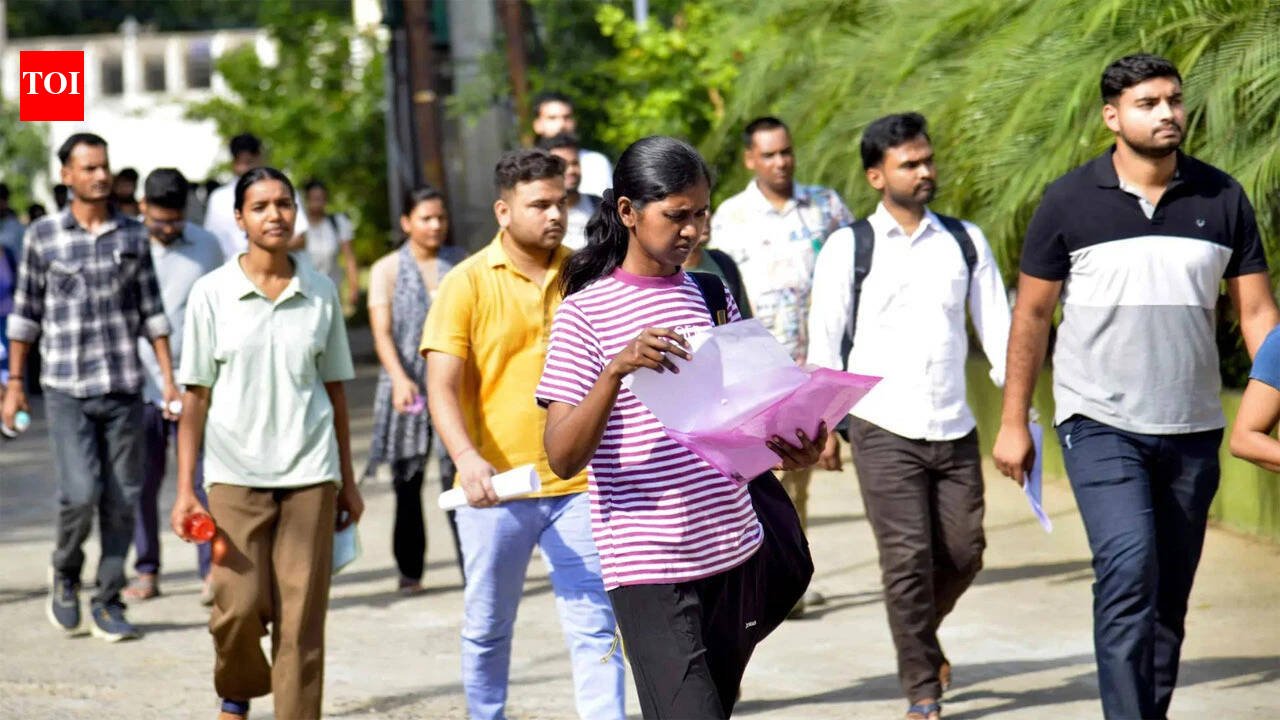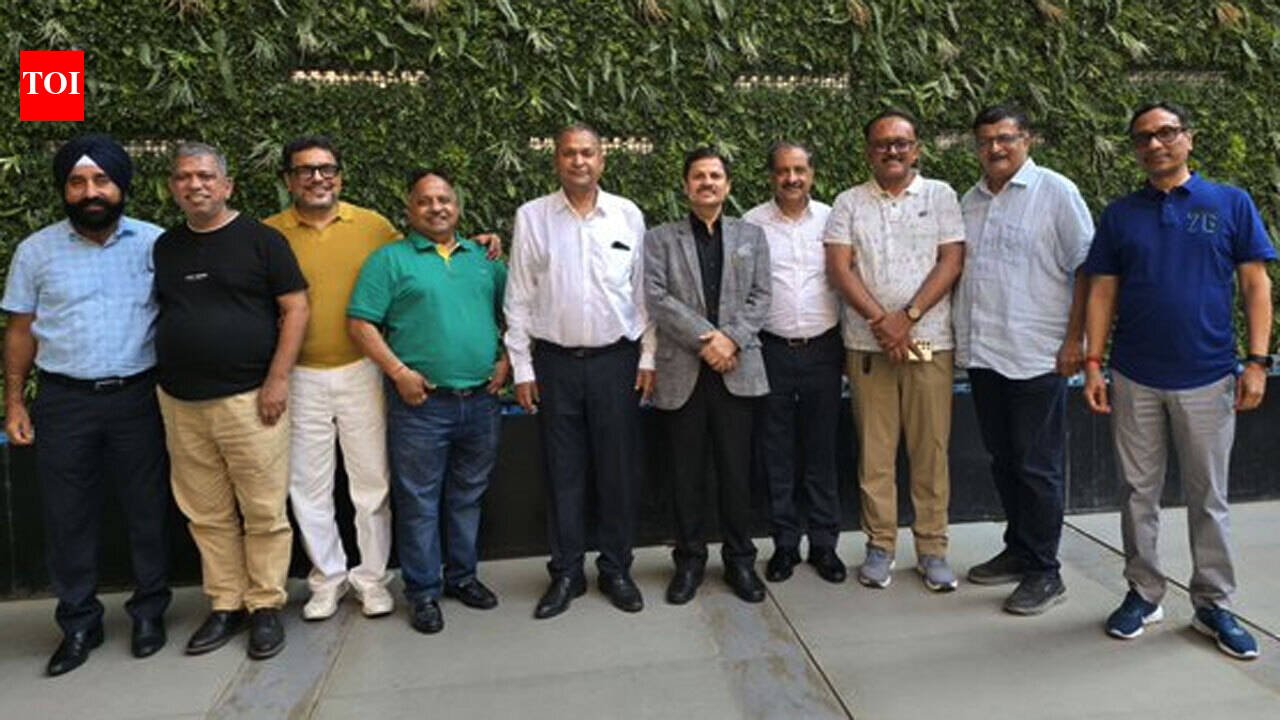
They missed IIT in 1984 and joined a new college; 40 years later, they redefined success. (Photo: X post) In 1984, they saw themselves as failures.They had tried to secure admission to the Indian Institutes of Technology and Regional Engineering Colleges, now known as many of the National Institutes of Technology.
They did not make it.Instead, they joined a brand-new private engineering college in Nagpur as its first batch.
At the time, the college had no long alumni list, no established reputation and no decades-old brand to reassure anxious parents.According to entrepreneur and YCCE alumnus Sandeep Mall, some parents were so uncomfortable with the situation that they felt embarrassed even mentioning the name of the college their children had joined.Four decades later, Mall met some of those same batchmates in the National Capital Region for a luncheon.And his conclusion was simple: “We redefined success.”The students who began as the ‘first batch’ Mall's post, shared on X, has struck a chord because it challenges a belief still familiar to many Indian students—that missing out on IIT or another prestigious engineering institution can determine the rest of one's life.“We were a bunch of failures in 1984,” Mall wrote.
“We couldn't crack IIT or even the RECs.
We joined a new private engineering college as its first batch.”The college was Yeshwantrao Chavan College of Engineering (YCCE), Nagpur, which was established in 1984 with three undergraduate programmes and an initial intake of 180 students, according to the institution's official history.Historical records from YCCE also describe the 1988 graduating group as the institution's first batch, while a 2013 Times of India report covered a reunion of alumni from the 1984 intake.Four decades, very different destinations Mall did not reveal the names of his batchmates in the viral post, but he described the extraordinary range of careers the group has built over the past four decades.According to his account, one batchmate went on to become an adviser to a Chief Minister.
Another became a director at a Navratna company.
Some rose to become CEOs in large corporations, while others served in senior positions in the armed forces before retirement.
Several others built successful businesses.Mall himself is an Electronics Engineering alumnus from YCCE's Batch of 1988 and has spent more than three decades in industry.
YCCE identifies him as the Managing Director of LNM Auto Industries Pvt.
Ltd. and also notes his work as an author.In 1984Four decades laterCould not crack IIT or RECCareers across government, PSUs, corporates, defence and businessJoined a newly established private collegeBuilt professional careers across multiple sectorsFaced social embarrassment over college choicesReturned as alumni reflecting on four decades of achievement The individual positions listed above are based on Mall's own description of his batchmates; he did not publicly identify them in the post.But their definition of success changed too The most interesting part of Mall's post was not the list of professional achievements.It was what came afterwards.“More important, we built families, raised children and gave them world class education,” he wrote.That sentence moves the story beyond the familiar debate about IIT versus non-IIT, or government jobs versus private careers.For a group of students who began their engineering journey carrying the disappointment of not getting into the country's most prestigious institutions, success eventually came to mean more than a job title or a college tag.What today's students can learn from a batch that started in 1984 The story does not mean that IITs or NITs do not offer significant academic and career advantages.
They do.But Mall's reunion offers another perspective: an entrance examination is a snapshot of performance at a particular age.
A career, on the other hand, can stretch across 30 or 40 years.YCCE itself has changed considerably since that uncertain first year.