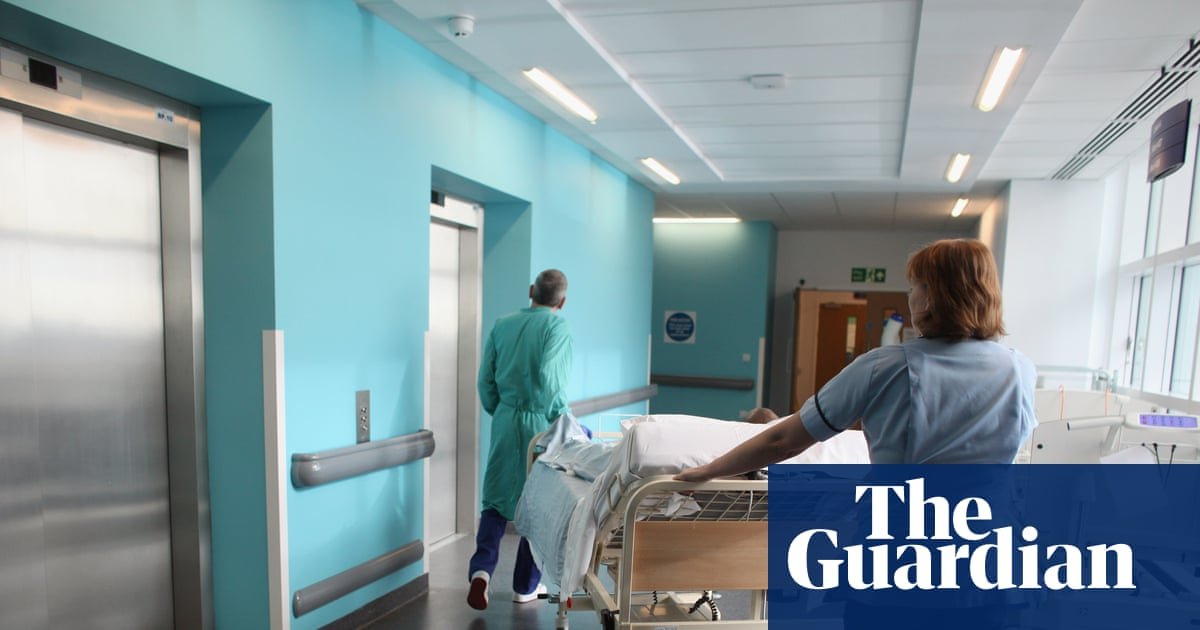
Some NHS hospitals have been forced to cancel operations because operating theatres have become too hot during the heatwaves.
Figures disclosed by 33 NHS trusts show temperatures on wards during July rose above 28C limit set by NHS England Hospitals in England have recorded temperatures of almost 42C this summer, with surgeries being cancelled because operating theatres’ cooling units stopped working in the intense heat.
The Northern Care Alliance NHS foundation trust, which runs four hospitals in Greater Manchester, recorded a temperature of 41.8C during last month’s heatwave – 14C above the recommended safe maximum.
Figures disclosed by 33 NHS trusts under freedom of information laws show that temperatures on wards during July averaged 31.9C – above the 28C which NHS England advises is the limit hospitals should maintain in order to protect the safety of staff and patients.
The Liberal Democrats, who obtained the data, said hospitals are being affected so badly by record-breaking temperatures that ministers must set up a new “NHS rapid adaptation unit” to heatproof hospitals and care homes by installing ways to keep them cool, such as air conditioning.
It would “heatproof vulnerable facilities, make air conditioning mandatory in all care homes and urgently upgrade NHS buildings to withstand future heatwaves.
We need to make our hospitals fit for the future,”said Helen Morgan, the party’s health spokesperson.
Hospitals are getting so hot that they become “dangerously hostile environments for patients and healthcare workers”, she added.
This summer’s relentless heat has meant that some have been forced to cancel surgeries because operating theatres have become dangerously hot.
In some hospitals this is because cooling units which regulate the temperature in operating theatres, which are often sited on the roof of hospital buildings, have failed as a result of exposure to the heat.
Affected trusts have been forced to reschedule planned surgeries.
The NHS Alliance, which revealed the intense heat’s latest impact on the NHS, could not say how many of England’s 205 NHS trusts have had to scrap operating lists for that reason.
But a survey it ran of how trusts are coping with the heat also showed that: Some patients are also cancelling their own surgery because it is too hot for them to travel.
Hospitals and GP surgeries are offering frail elderly patients appointments at the start and end of the day, when it is less hot, to make it easier for them to attend.
Ambulance services are struggling to keep some medications at the right temperature because it gets so hot in the back of their vehicles.
NHS ambulance trusts have relaxed their usual dress code rules to help crews stay cooler, for example by wearing shorts rather than trousers Some NHS services have been hiring air conditioning units to try to keep staff and patients cool, with one trust renting at least 600 units.
There is mounting alarm that hospitals are getting so hot that nurses have been fainting.
NHS staff organisations say that much of the health service’s estate is so old that many buildings cannot cope with heatwaves – a concern underlined by the evidence collected by the Liberal Democrats and NHS Alliance.
“Overheating NHS hospitals are affecting the health and wellbeing of patients and staff and the temperatures we have seen repeatedly this summer show what an urgent issue this has become,” said David Williams, the body’s deputy director of policy.
“A lack of investment in the NHS estate over many years has left crumbling buildings and dilapidated equipment in need of urgent repair.” Explore more on these topicsNHS England Extreme heat Health Extreme weather news Share Reuse this content