All electric cars with an ex-showroom price of ₹30 lakh or less registered in the national capital will be granted 100% exemption on road tax and registration fees, as the Delhi government approved a new EV policy on Monday (June 29, 2026).
Under the new policy, people buying e-two-wheelers will get a subsidy of ₹30,000 in the first year, ₹20,000 in the second year and ₹10,000 in the third year.
As part of the policy, only electric autorickshaws will be registered in Delhi from January 1, 2027, while registration of new petrol and CNG two-wheelers will be phased out, with only electric two-wheelers to be registered from April 1, 2028.
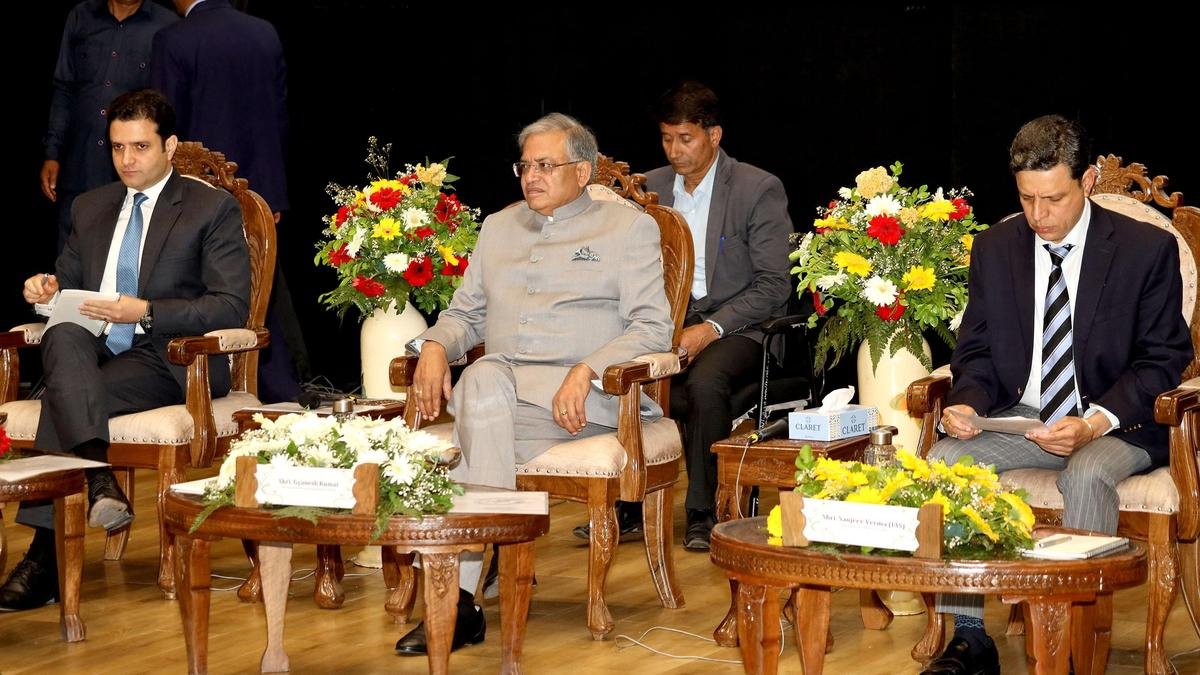
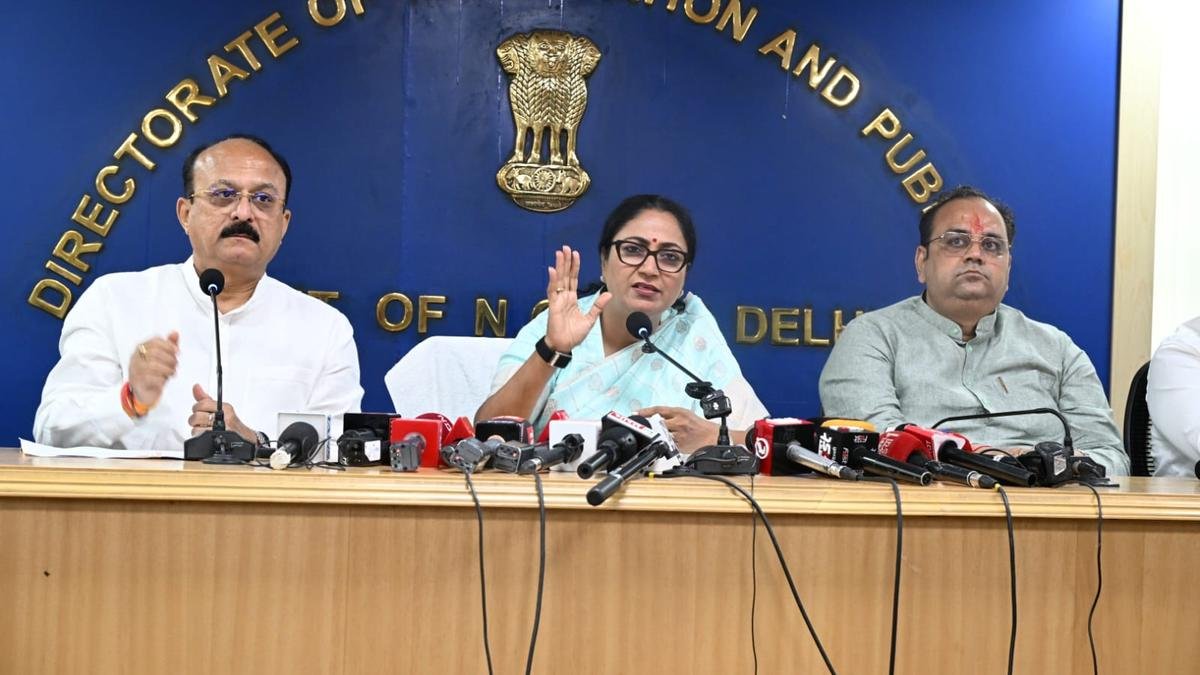
Auto drivers fear income loss, seek better charging infra for smooth EV transition Addressing a press conference, Chief Minister Rekha Gupta said that around ₹15,000 crore will be invested under the new policy over the next four years to promote electric mobility and reduce vehicular pollution in the national capital.
The policy, approved by the Delhi Cabinet, will come into effect from July 1, Ms.
Gupta said, describing it as a major step towards making Delhi a pollution-free city by March 31, 2030.
Ms.
Gupta said that the new policy lays special emphasis on the transport sector and provides a roadmap for the phased transition from conventional fuel-powered vehicles to electric vehicles.
To encourage the adoption of electric vehicles, the government has announced purchase incentives for buyers.
Similarly, buyers of electric three-wheelers will be eligible for incentives of ₹50,000, ₹40,000 and ₹30,000 in the first, second and third years, respectively.
Buyers of N1 category electric trucks will receive a purchase incentive of up to ₹1 lakh, according to an official.
Why are auto firms opposing Delhi’s revised electric vehicle policy?
The policy also provides a scrapping incentive of ₹1 lakh for owners of BS-IV four-wheelers or below standard who scrap their vehicles and switch to electric vehicles.
An official said no subsidy will be provided for hybrid vehicles.
A dedicated online portal will be developed to enable applicants to apply for EV-related incentives under the policy.
The government said the policy also envisages expansion of charging infrastructure, vehicle scrapping facilities and other measures to accelerate the transition to electric mobility across the city.