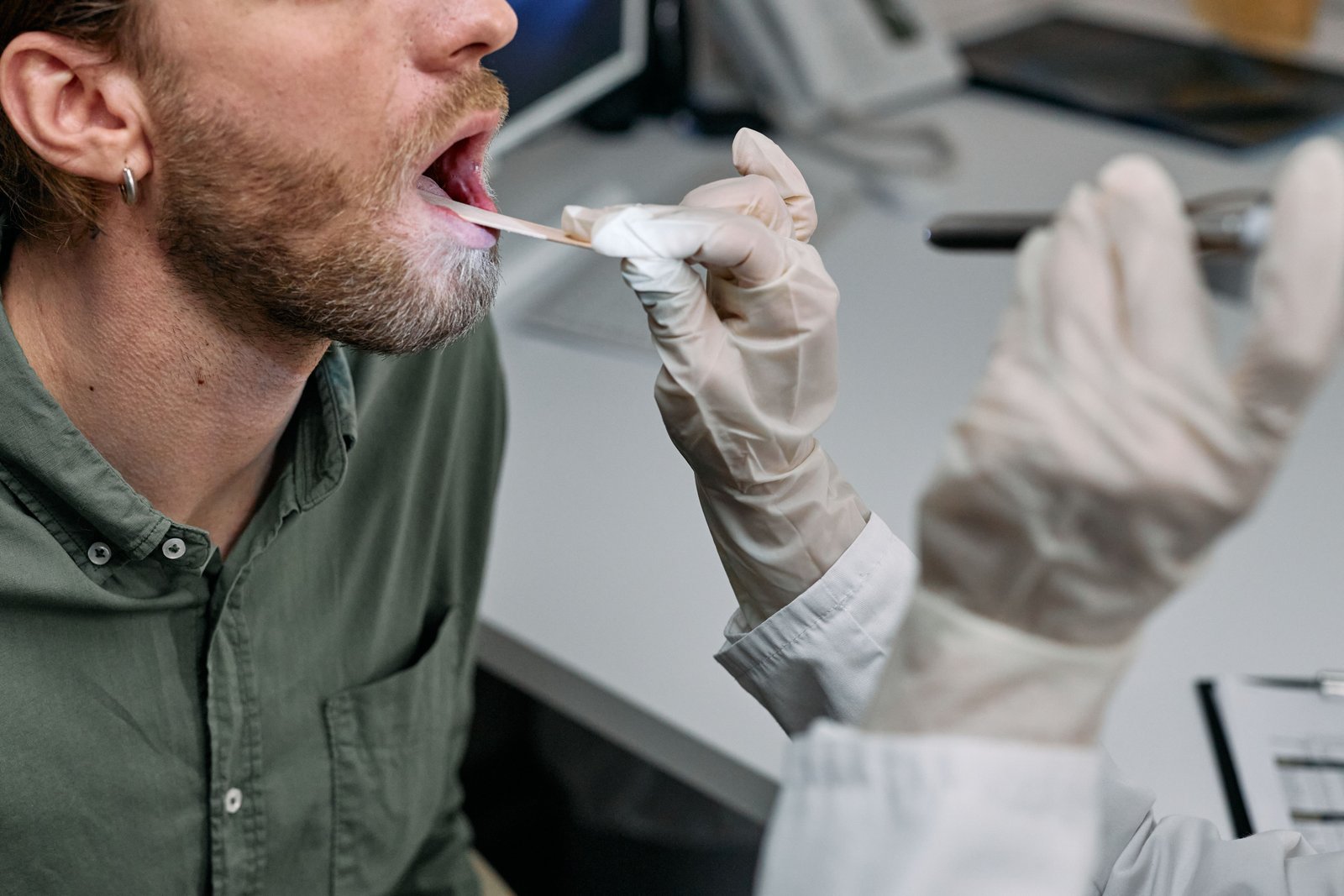
Finishing cancer treatment can bring a much-needed sense of relief, but recovery does not always mean that treatment-related symptoms disappear straight away. A sore or irritated throat, for instance, can persist during or even after treatment, leaving patients wondering whether it signals something more serious. While uncomfortable, a sore throat does not necessarily mean that the cancer has returned and can have several treatment-related causes.
In a conversation with HT Lifestyle, Dr Ankur Nandan Varshney – a senior consultant medical oncologist at Medanta Hospital, Noida – points out that the reason behind throat discomfort needs to be understood in the context of the patient's cancer, treatment received and overall health.
He explains, “Patients often become understandably concerned when a new symptom appears after cancer treatment. However, throat pain has several possible explanations. Treatment-related irritation, dryness, inflammation and infections can all cause similar symptoms, so it is important to look at the complete clinical picture rather than assuming the worst.”
Cancer treatment can affect the throat
According to Dr Varshney, some cancer treatments can temporarily or, in certain cases, more persistently affect the tissues lining the mouth and throat. Chemotherapy may cause inflammation or sores in these areas, while radiotherapy involving the head and neck can affect both the mucosal tissues and salivary glands.
The oncologist further elaborates, “A reduction in saliva can make the mouth and throat feel unusually dry. This dryness may make swallowing uncomfortable and can contribute to a persistent scratchy or burning sensation. Patients may also find certain foods, particularly spicy, acidic or very hot foods, more irritating during recovery.”
Infection should also be considered
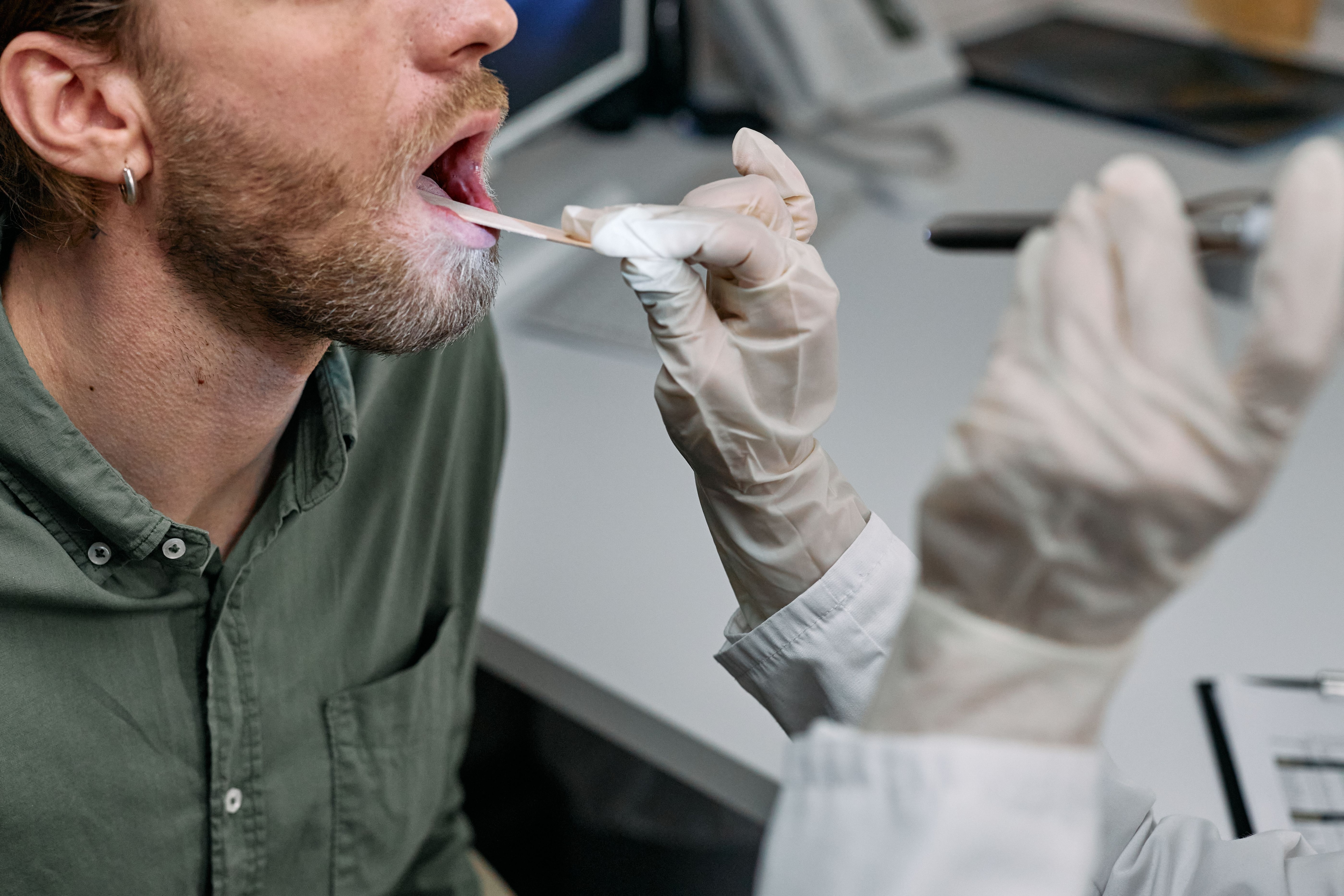
The immune system can be affected during cancer treatment, particularly when chemotherapy causes a fall in certain blood cells. As a result, some patients may become more susceptible to infections. Dr Varshney highlights that a sore throat accompanied by fever, chills, worsening weakness or other signs of infection should therefore not be dismissed as an ordinary seasonal throat infection.
He explains, “Whether a patient needs testing or treatment depends on factors such as their blood counts, treatment schedule, symptoms and examination findings. Self-medication, particularly with antibiotics, is not the right approach because the cause of the throat problem may not be bacterial.”
Does a sore throat mean cancer has returned?
This is often the first fear that comes to a patient's mind. However, a sore throat alone is not sufficient evidence of cancer recurrence. Doctors consider several factors, including the original cancer, location of treatment, duration of the symptom and whether other concerning symptoms have appeared.
The oncologist advises, “If throat discomfort is persistent, progressively worsening or associated with difficulty swallowing, unexplained weight loss, bleeding, a persistent change in voice or a new lump, medical evaluation becomes particularly important.”
When should patients seek help?
Cancer survivors should inform their treating team about symptoms that are persistent, unusual or getting worse. Immediate medical attention may be required for difficulty breathing, inability to swallow fluids, significant dehydration or fever, especially when the patient has been advised that their immunity or blood counts are low.
“Recovery after cancer treatment is not identical for everyone. Patients should not panic over every new symptom, but neither should they ignore symptoms that continue or change. The safest approach is to discuss persistent throat problems with the oncology team so that treatment effects, infection and other possible causes can be separated clinically,” concludes Dr Varshney.
Dr Ankur Nandan Varshney is a consultant medical oncologist with over 10 years of clinical experience at Medanta Hospital. He completed his MBBS and MD at the Institute of Medical Sciences, Varanasi, followed by a DM in Medical Oncology from AIIMS, New Delhi.