By Diana Buttu Palestinian-Canadian lawyer and political analyst.
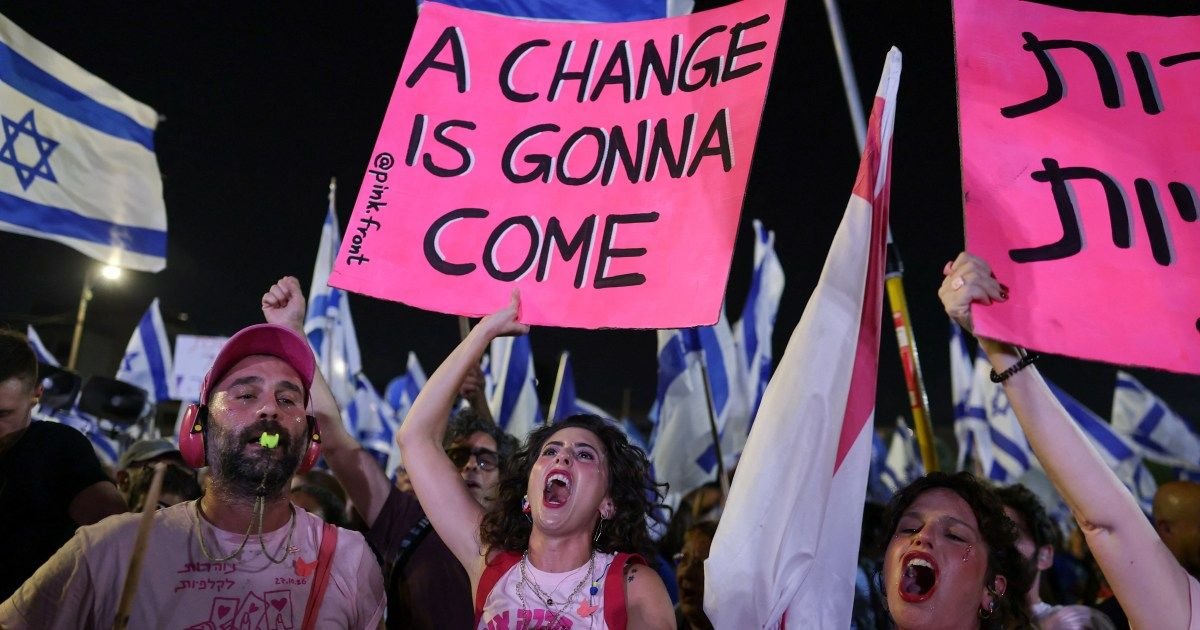
Israelis rally to demand the establishment of an independent state commission of inquiry into the October 7, 2023 attacks ahead of Israel's parliamentary election on October 27, in Tel Aviv on October 24, 2026 [Ammar Awad/Reuters] Throughout the Israeli election campaign, the focus has been on two “blocs” – one led by Prime Minister Benjamin Netanyahu and the other opposing him.
To the outside observer, the “pro-Netanyahu” and “anti-Netanyahu” labels imply that there are two different visions for the country and that the policies of the next government will depend on which one wins the elections.
This assumption is not surprising.
In countries across the world, different candidates offer different visions for their country during electoral races.
But in Israel, and particularly as it pertains to the Palestinians, this cannot be further from the truth.
Foreign diplomats ask about the future of the mythical “two-state solution” and talk about reconstruction plans in Gaza.
They assume that Netanyahu is the reason for the lack of progress.
Without him, everything will change.
We can only wish.
One would think that three years of genocide, pending war crimes indictments, rulings and pending cases at the International Court of Justice as well as the scores of reports documenting Israel’s atrocities would affect the Israeli election.
One would assume that when taking to the polls, Israelis would be thinking of what they have done to Palestinians, what this will breed for the future and, even selfishly, what it means for them.
But they will not.
Instead, the vast majority of them will vote for candidates who, like them, support the continued denial of freedom for the Palestinians, the continued colonisation of the West Bank, the continued destruction of Gaza, the continued genocide of Palestinians and the continued bombing of and theft of land from neighbouring sovereign nations.
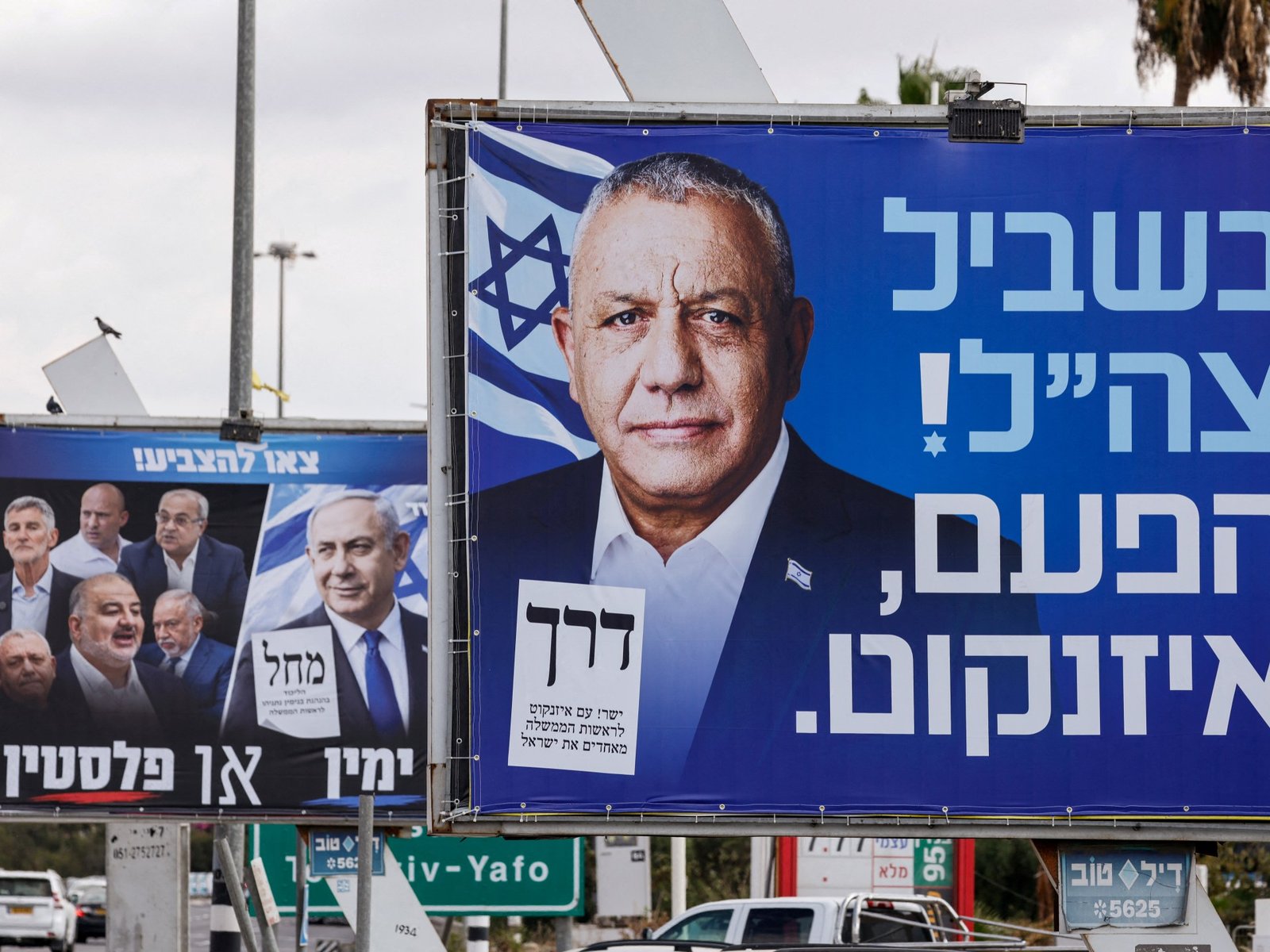
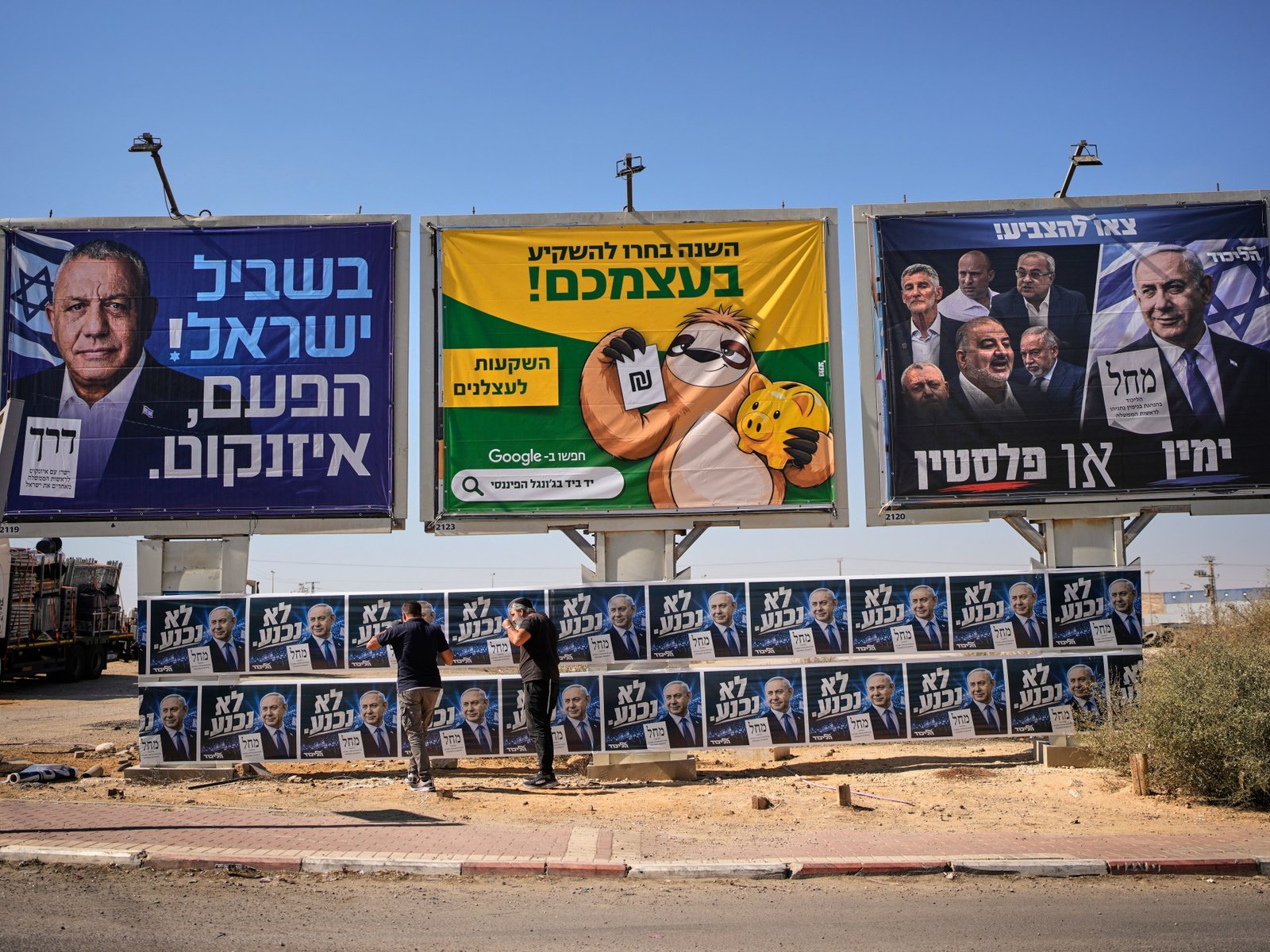
Advertisement All this is apparent in the slogans and the statements that the candidates have put forward themselves: those supporting Netanyahu have called for Gaza to be flattened, have wished for the occupied West Bank to be turned into Gaza and have proclaimed that there are no innocents among the Palestinians.
Their ads feature bulldozers tearing down Palestinian homes, Palestinians starving and Israeli bombs exploding in civilian areas, with candidates promising even more.
“Occupy.
Expel.
Settle” is one slogan.
What about the opposition?
Their positions do not differ.
For example, Avigdor Liberman, a staunch Netanyahu rival, has also long maintained that there are “no innocents in Gaza”.
He and members of his party have worked to block food from getting into Gaza and have openly called for the takeover of Lebanon.
Even members of the opposition, who are considered leftists, like Yair Golan, have criticised the international recognition of Palestine and support Israel’s illegal settlements in the occupied West Bank.
Not a single candidate from the opposition parties supports the establishment of a Palestinian state.
So, genocide and the “two-state solution” will not be on the ballot on October 27.
Neither will Israel’s “forever wars”.
Rather, the electoral battle will be over the details: whether the Haredim (ultra-Orthodox) Jews should participate in these wars and how much Palestinians should be punished.
In short, what this coming election may change in Israel is the face of the government, not the policy.
The question then is what kind of a society overwhelmingly votes for politicians who openly speak about their desire to commit war crimes?
The answer lies in the fact that these crimes have become normalised in Israel, so commonplace that not advocating for them is odd.
Since the establishment of Israel on the ruins of Palestinian homes and through the ethnic cleansing of Palestinians, Israeli society has never faced consequences for its actions, whether those actions were land theft, killing, imprisonment, collective punishment or even genocide.
The message the world has sent to Israelis is that they are “in their right” and that all that is needed is even more violence against the Palestinians to get precisely what they want: Palestine without Palestinians.
So while foreign diplomats and their governments may be viewing the removal of Netanyahu as the solution, this would not resolve the central problem: the belief that Israelis have superior rights; that they can do as they wish to Palestinians and that no one can stop them.
Advertisement For far too long, Israel has been told that it can do as it pleases and face no consequences internationally.
Change will not come from within the country.
It can only come from the outside in the form of consequences.
Sanctions, for example, could work.
Wide-ranging sanctions that isolate Israel economically and politically and make clear to the Israelis that they do not have the exceptional right to commit atrocities without being held to account.
Regardless of which bloc wins the Israeli elections, the international community must change its policy of silence and accommodation.
If not, I suspect that “Occupy.
Settle” will not remain a campaign slogan.
It will be a promise that both “blocs” will fulfil.
The views expressed in this article are the author’s own and do not necessarily reflect Al Jazeera’s editorial stance.