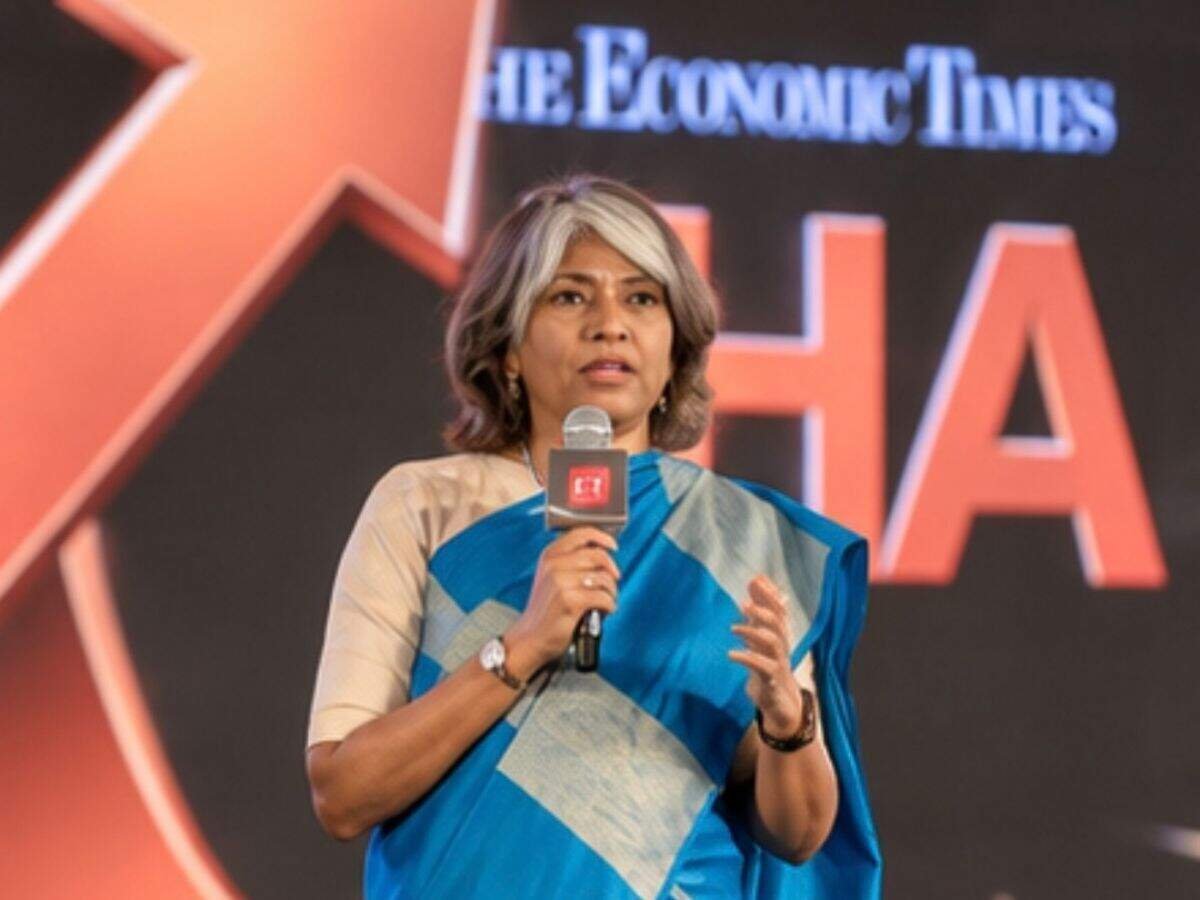
ET Alpha Wealth Summit 2.0: Equities aren’t enough?
Praveena Rai makes a case for commodities ETMarkets.com Synopsis In India, commodities are steadily gaining traction as a crucial component of investment strategies.
As investors diversify beyond conventional assets, they are discovering opportunities in gold, copper, and energy markets.
Innovative financial products make it easy to engage in these commodities without the need for physical possession.
Success demands a strong grasp of specific commodities and diligence in choosing regulated trading platforms.
By Surbhi Khanna, ET Online XPeers Multi Commodity Exchange of India Share Price BSE Share Price Indian Energy Exchange Share Price Last Updated: Oct 08, 2026, 04:59:00 PM IST Follow us The growing financialisation of household savings has pushed Indian investors beyond traditional bank and fixed deposits, with diversification increasingly extending beyond equities and debt to commodities.
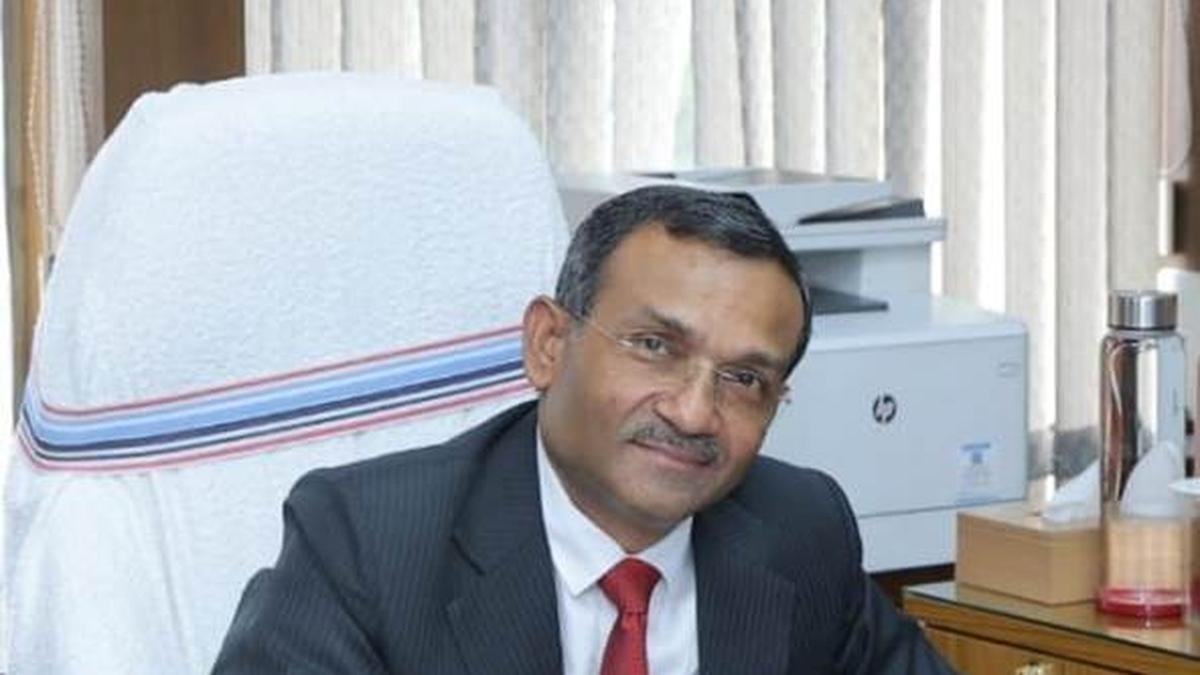
Praveena Rai, MD and CEO of MCX, said commodities can play an important role in a portfolio, given that their fundamentals differ from those driving equity markets.ADVERTISEMENT Speaking at The ET Alpha Wealth Summit 2.0, Rai said Indian markets have matured significantly over the past five years, with broader retail participation and greater awareness of different asset classes.
She said the investment universe now spans REITs, InvITs, private credit, private equity, fixed-income markets and commodities.
Artificial intelligence requires data centres, while manufacturing, infrastructure and construction generate demand for commodities such as copper, aluminium and energy.
“Commodities” should therefore not be treated as synonymous with gold, she said.
The asset class includes industrial metals, energy, precious metals and agricultural commodities, each of which has its own demand and supply dynamics.
ADVERTISEMENT India is also a significant participant in several commodity markets.
Rai highlighted the country's position as the second-largest producer of aluminium, coal and iron, while also being the second-largest consumer of gold and the third-largest consumer of crude oil.
When investors are uncertain about US Treasuries or geopolitical developments, gold tends to attract demand from individuals, institutions and central banks.
Rai noted that central banks have acquired around 300 tonnes of gold over the last year or two, adding to the supply-demand dynamics of the market.Industrial commodities have a different demand story.
Copper, for example, stands to benefit from electrification, the expansion of power grids and the construction of data centres.ADVERTISEMENT Investors do not necessarily have to purchase and physically hold commodities to participate in the asset class.Rai said investors can gain commodity exposure through professionally managed products such as multi-asset funds, SIFs, Category III AIFs, hybrid funds and life-cycle funds, where ETCDs, or exchange-traded commodity derivatives, are permitted.
These products allow investors to participate in commodity markets without directly owning the physical commodity.Investors can also participate directly in commodity markets.
Rai highlighted an MCX product that allows individual investors to take delivery of gold, with delivery available in quantities ranging from one gram to larger quantities.ADVERTISEMENT On whether commodity investments are backed by physical stocks, Rai explained that ETCDs are driven by the futures market and have a deliverable component.She said the futures price is closely aligned with the physical market.
The mechanism allows investors to participate in price movements without necessarily locking up the underlying commodity in warehouses.For commodities such as copper, aluminium and zinc, physical delivery takes place on specified days, primarily involving industry participants.
Because the futures price is ultimately used for physical delivery, the physical market provides an anchor for price discovery.Rai said several metals and agricultural commodities traded on the platform have a physical delivery element, including copper, aluminium, zinc, lead, nickel, cotton and cardamom.
Nilesh Shah weighs inPower is another important commodity, according to Rai, given its role across industries.
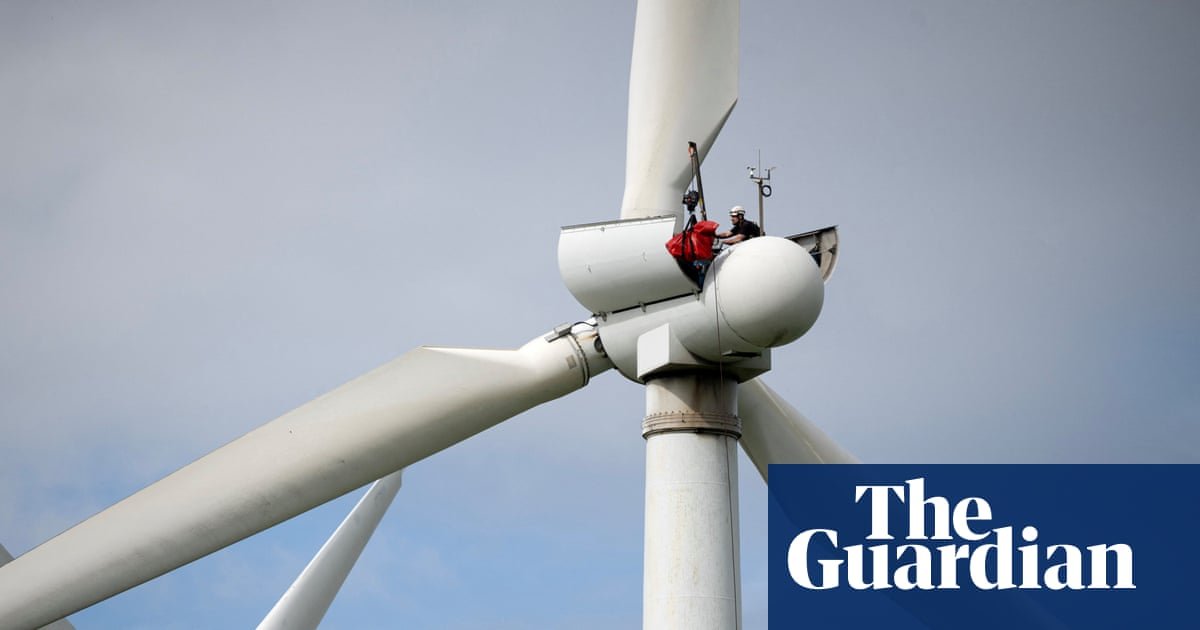
She said energy costs can account for a significant portion of the cost base for industries, while India's renewable-energy expansion is becoming an important part of the country's overall energy supply.Rai said the growing availability of solar power can result in lower daytime power prices, while prices can rise when solar power is unavailable.
Improvements in battery technology could help address this variability over time.Rai said the growing participation of Indian investors in commodities needs to be accompanied by greater awareness and understanding of individual commodities.Rather than viewing commodities as one broad category, investors should understand the commodity they are investing in and choose products based on their comfort and knowledge.