Firms warn of impact of company’s decision to to axe 4,000 jobs and call for government to support sector
Jaguar Land Rover confirms plan to cut 4,000 jobs
David Roberts is not in an optimistic mood. The chair of Coventry-based Evtec may preside over a business with 900 highly skilled employees, multiple sites and precision machinery, but the outlook for the manufacturer appears tricky. “Everything is against us,” he says.
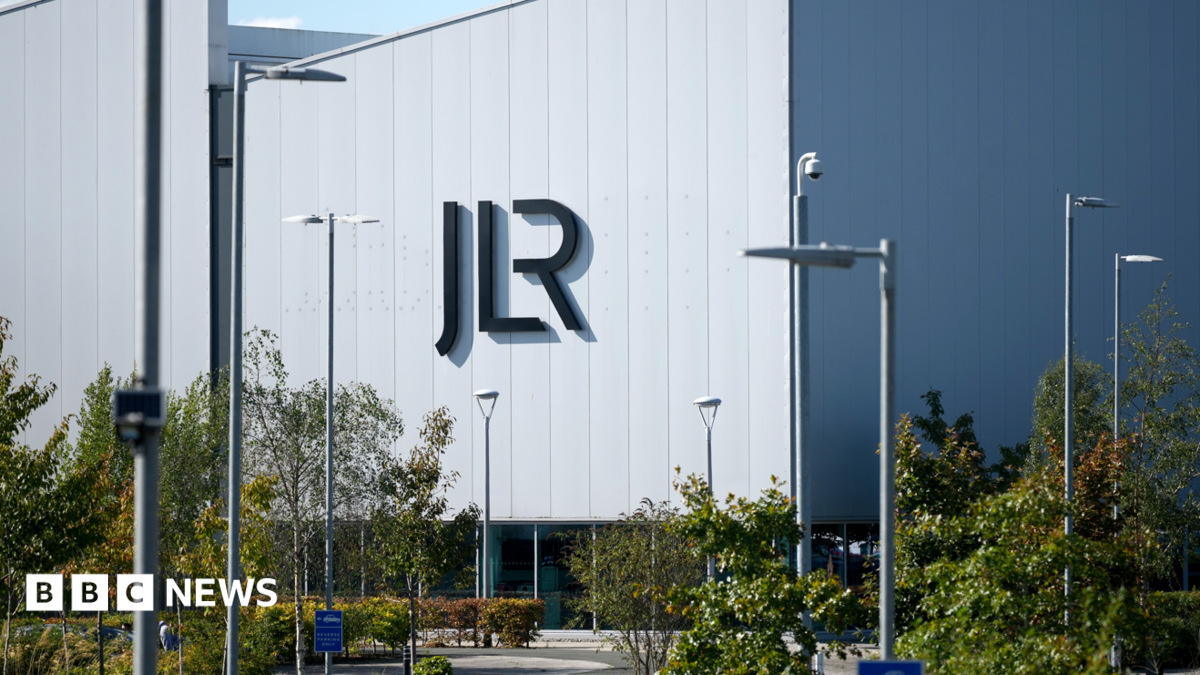
Evtec is a “tier 1” supplier to Jaguar Land Rover, also headquartered in Coventry, which this week announced 4,000 job cuts over two years even as the chancellor, John Healey, attempted to talk up Britain’s growth prospects in his first big speech, just down the road.
The cuts have stoked fears for the estimated tens of thousands of people across the UK who are employed in the supply chain to Britain’s biggest carmaker, particularly in the West Midlands. JLR made the cuts in the face of intense competition from Chinese carmakers, Donald Trump’s tariff wars and the fallout from a cyber-attack.
Roberts warns the automotive demand will “contract inexorably over the next five years” without significant support and changes in government policy.
“Nobody knows the rate or speed of that decline, but decline it will, because everything is against us, everything, [when] making cars in the UK,” says the chair of Evtec, which specialises in high-pressure aluminium die casting and has sites in Coventry and Kidderminster.
The JLR chief executive, PB Balaji, hopes to save £1.7bn through the cuts which will mainly affect employees at its head office. He said the automotive industry “faces significant challenges, with technological change amid intense competition and ongoing geopolitical uncertainty”.
The decision marks the latest in a string of worrying signs of decline for the industry, threatening Andy Burnham’s ambition to “safeguard sovereign manufacturing” and reindustralise Britain.
Corin Crane, the group chief executive of the Chamber of Commerce in Coventry and Warwickshire, believes 140,000 to 180,000 people are employed in supply chain businesses connected to JLR.
“It’s really hard to underestimate exactly how important JLR is to the West Midlands economy,” he says. “We make stuff here and so many of our businesses are in the supply chain for JLR and even if not manufacturing companies, the business support companies, the professional services, all of them have contracts with this great big supplier.
“So when there’s problems with JLR, it’s a broader problem for the West Midlands as a whole.”
Oxford Economics has estimated JLR contributed £8.7bn to the West Midlands in 2024, equivalent to 4.7% of the regional economy – as well as contributing £1.1bn to the north-west, where it has a plant at Halewood.
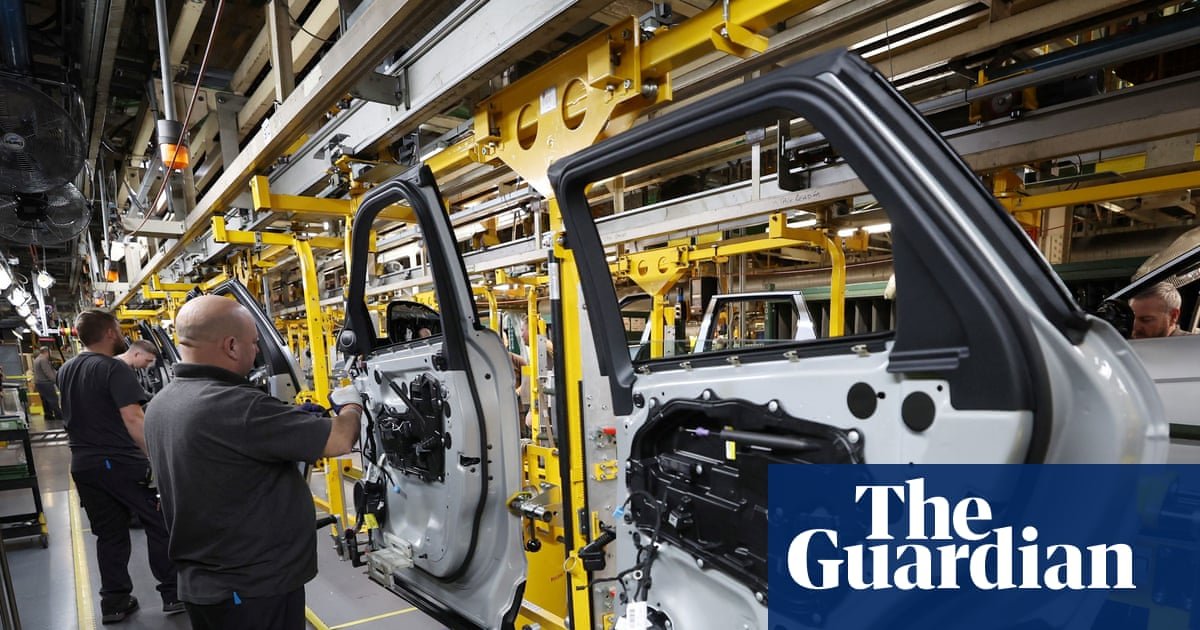
The importance of JLR to the local and UK-wide economy was underscored last year when the devastating hack left suppliers struggling and hit UK GDP. JLR scrambled to set up a help desk for its supply chain, including more than 700 companies making the 30,000 parts that can make up a luxury car.
The hack paused production for four weeks, leaving factory workers stuck at home, and costing the manufacturer £200m. It was one of several factors contributing to JLR posting a profit before tax of just £14m – down from £2.5bn the year before.
This time, white-collar managers and research and development staff are in the crosshairs, with the cuts expected to be largely found through UK voluntary redundancies in those areas. However, there are concerns over a ripple effect if JLR’s struggles persist.
Evtec’s Roberts has united a loose collective of about 15 business that supply JLR, making up £2bn of revenue and with 12,000-14,000 employees, in order to speak with a “common voice” about the issues they are facing.
He describes JLR as the “kingpin” of the UK’s automotive industry and warns that challenges facing the manufacturer had knock-on effects on suppliers and smaller car manufacturers including McLaren, Aston Martin, Bentley and Rolls-Royce.
“There will come a point that the decline will be unstoppable and that will be the end of the motor industry as we currently know it. We’ll just be a very small volume player,” he says.
Industry experts have long warned of the growing challenges facing car manufacturers in the UK, from the increased competition from China, Trump’s tariffs and the transition to electric vehicles.
Healey acknowledged it was a “worrying time” for JLR’s workers and suppliers on Monday, while the mayor of the West Midlands, Richard Parker, announced a £500,000 support package for JLR staff. The business secretary, Jonathan Reynolds, who has ruled out state support to protect the jobs, will meet the company and the Unite union to discuss the cuts on Tuesday.
The owner of a plastic manufacturer based in Birmingham, who has supplied JLR for decades, says his workforce has been cut by about 75% because of the challenges facing the sector.
The business owner, who did not want to be identified, calls on JLR to be more transparent with suppliers and the public in order to restore confidence.
“We’ve got owners that do want to invest in taking us to the next level but they need the transparency, the visibility and confidence in future UK productions … to justify investment,” he says.
The business owner also voices concerns about the broader impact of declining industry on jobs and skills in the local area.
“JLR supports an enormous network of tool-makers and moulders, manufacturers and engineers across the whole region, so it’s affecting us all,” he says. “The saddest aspect is we could potentially lose decades of engineering if we haven’t got these big companies in the Midlands supporting it any more.”
Steve Morley, the president of the Confederation of British Metalforming, echoes concerns for the automotive industry but says the announcement of job cuts was not a surprise.
“Previous government policies have done nothing to support the automotive sector at all and the writing has been on the wall for a long time, not only here but in Europe as well,” he says.
Specifically, he criticises high labour and energy costs in the UK, as well as policies around EVs. The industry has argued the government’s EV sales targets are too onerous.
Reynolds has refused to rule out watering down government targets for UK automakers to reach 80% zero-emission car sales by 2030, which would lead to a ban on the sale of new petrol and diesel cars by 2035.
Morley says: “If we want to be competitive, we have to have infrastructure that lets us be competitive. We cannot afford to have the energy costs we’ve got, the labour costs we’ve got, the policies around EV that stranglehold the automotive sector.”
Balaji said on Monday JLR was “committed to supporting everyone with care, fairness and respect” through the redundancy process.
A government spokesperson said it understands that this will be an “uncertain and concerning time for affected workers, their families and wider communities”.