Ghanda and Windsor Smith are among lowest-rated in Baptist World Aid ethical fashion report based on metrics such as wages and sustainability
Get our breaking news email, free app or daily news podcast
Online fast-fashion giant Shein is outperforming many Australian high street retailers on ethical standards, according to an industry review.
The 11th Baptist World Aid ethical fashion report, released on Tuesday, assessed the ethical practices of 138 Australian and international companies, representing 543 fashion brands.
Overall, the report found that only 13% of the fashion companies surveyed could show evidence of paying a living wage to any of the workers in their supply chain.
The organisation surveys companies on five broad supply chain topics, including worker empowerment and environmental sustainability, to score brands out of 100.
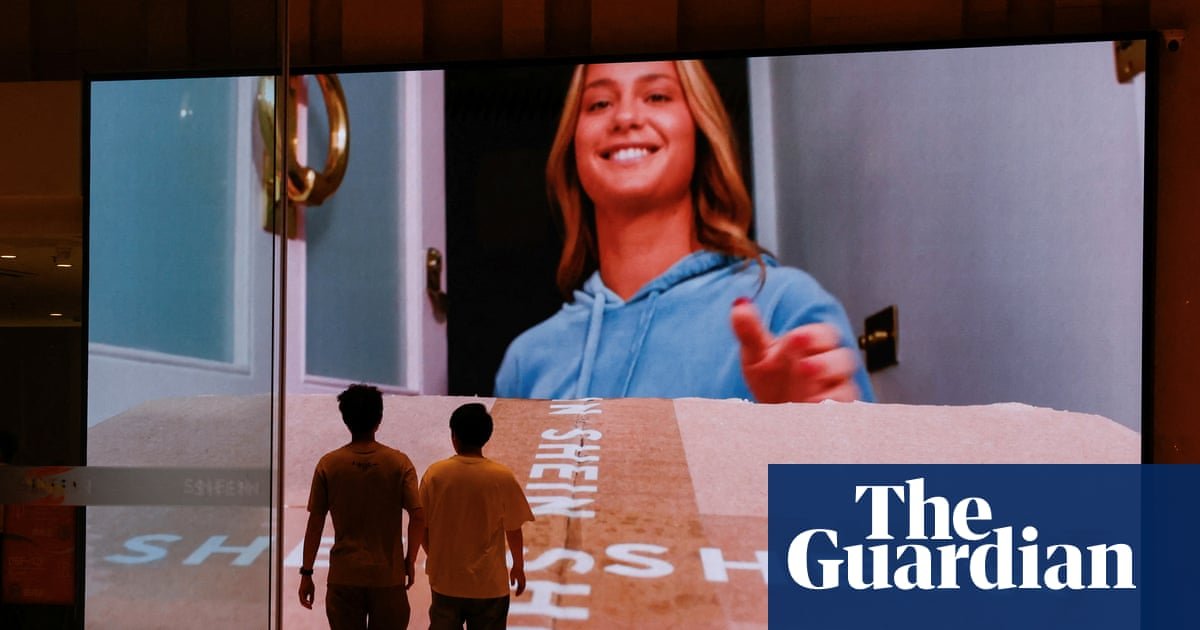
The ultra-fast fashion website Shein was given a score of 28.
The Chinese e-commerce company has been criticised for its environmental impact and accused of facilitating or even encouraging overconsumption through its very cheap prices.
The Baptist World Aid report noted that Australia ranks as the world’s highest consumer of textiles per person, with more than 200,000 tonnes of clothing ending up in landfill every year.
“Overproduction particularly remains a growing challenge to sustainability,” the report said.
While its score was below the average of 31.5, Shein beat several well-known retail companies including Myer, Windsor Smith, Ghanda and Quiksilver owner Boardriders.
Ghanda and Windsor Smith were among the worst-rated companies with scores of zero. Shein competitor Temu, another Chinese e-commerce website, also received a score of zero.
The swimwear label Seafolly was given a score of one.
Activewear maker 2XU scored two; while Boardriders, which also owns surf brands Roxy and Billabong, and formal wear favourite Bec and Bridge both scored three.
Myer scored 20 for its retail arm and its apparel business.
This year’s report noted that Shein supplied Baptist World Aid with additional information whereas Myer, Seafolly, Ghanda, Windsor Smith, Boardriders, 2XU, Bec and Bridge did not.
These companies and the other businesses who did not participate in the research project were assessed only on their publicly available information, which tends to yield a lower ranking.
Baptist World Aid said its researchers undertook a “rigorous engagement process to ensure, to the best of our ability, that all assessed companies are aware of their inclusion in the research, have the opportunity to participate, and are informed of the key project timelines”.
“This process includes a series of bulk communications sent to all assessed companies, regardless of their level of participation or responsiveness,” a spokesperson for the organisation said.
They said over the course of a 13-month engagement period companies were contacted via email on approximately 16 occasions, including when they were sent their final score.
Overall, more than half of the companies analysed did not respond to the researchers: the report said 58% of the businesses were assessed solely on their publicly available information, compared with 42% who provided more.
In the past, some brand owners have objected to the methodology of sustainability reports such as the one produced by Baptist World Aid, arguing that a focus on a “living wage” can mean international fast-fashion brands rank higher.
The companies were scored out of 100 based on their efforts to protect workers and the environment across all stages of their supply chain, including gathering raw materials, fabric and plastic production, and garment manufacturing.
The highest-scoring brands were those that could demonstrate they were meeting a wide range of criteria, for example, whether they were conducting factory audits, providing workers’ rights training, and assessing the environmental effects of their “top three fibres”.
The Baptist World Aid ethical fashion lead, Katherine Halliday, defended the methodology and said some companies had a bigger “appetite for transparency” than others.
“[The report] is designed to answer the question: ‘How strong are the systems a company has to protect exploitation of workers across the supply chain?’” she said.
Halliday said she was “heartened” that Shein’s score had improved from previous years, which she attributed to public scrutiny and a resulting change in the company’s practices.
To determine the scores, the researchers analysed more than 15,000 data points they generated by assessing “company policies, practices and performance”, the report said.
Denim brands were among the top performers in this year’s report, alongside intimates apparel, outdoor and technical performance gear, and some luxury labels. The Australian underwear label Mighty Good Basics received the highest score of 94, though the report said the company was an “outlier”.
Overall, Halliday said “everyone has a lot of room to improve”.
Since the previous report was released in 2024, the average overall score improved by just 0.2%.
Halliday said although more companies had committed to improving their ethical standards, this had not necessarily translated into tangible change for workers.
“A modern slavery statement, for example, isn’t enough to move the needle on these practices,” she said.
The “stagnating” scores showed that more government action was needed to compel fashion companies to improve their practices, Halliday said.
Temu said all its sellers had to “comply with a third-party code of conduct, which prohibits forced, penal or child labour and requires compliance with applicable laws on wages and working hours, as well as safe working conditions”.
Guardian Australia has contacted the other companies named in this article for comment.