Two sportspeople have been executed in the past month and at least six more face the same fate, says activist group
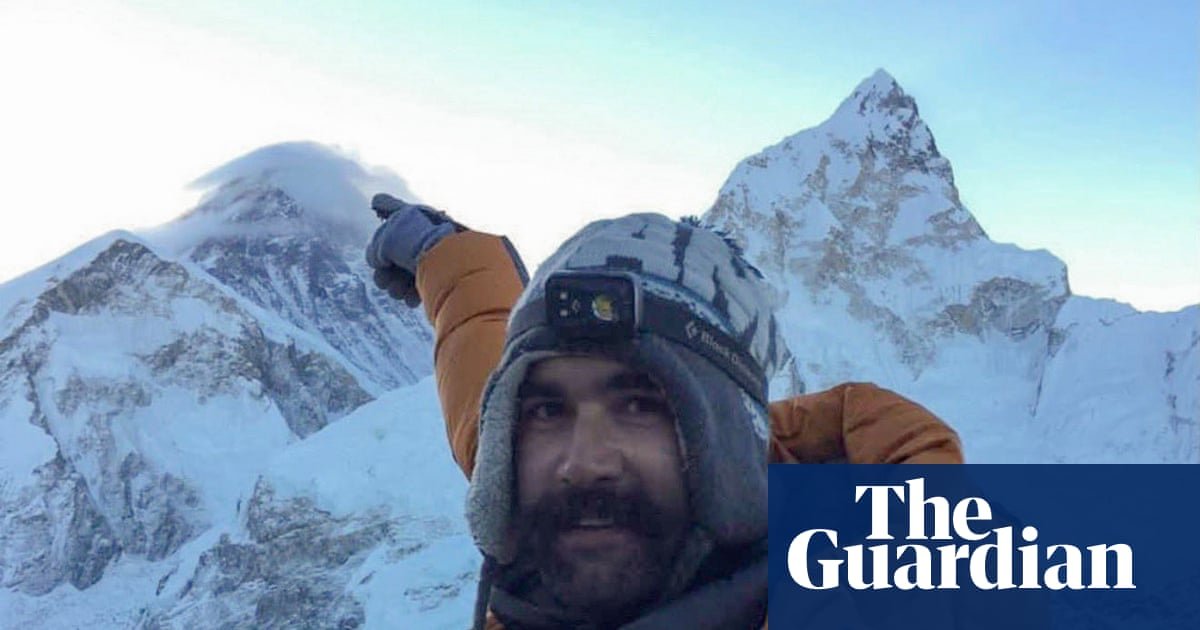
Fears are growing for more Iranian athletes facing execution after mountain climber Ali-Sina Mostafavi became the latest in a string to be killed by the regime.
Mostafavi – who documented his ascents of some of the world’s highest peaks, including Mount Everest – was executed on 14 October having been arrested in April after the anti-government protests a few months earlier. His death followed the killing of Siavash Jamshidi Kheirabadi, a taekwondo athlete, at the start of October, and the mixed martial arts fighter Gholamreza Khani Shakarab, who was hanged in May.
Now Human Rights for Sport – a group of former Iranian athletes based in Oslo that has been documenting the growing number of cases – has warned that at least six more are facing execution after having their sentences upheld by Iran’s supreme court. They include the swimmer Ali Pishevarzadeh and the footballer Ehsan Hosseinpour, who were both arrested during the January protests, and Mohammad Javad Vafaei Sani – a boxer arrested in 2020 for taking part in protests a year earlier. He saw his request for a retrial rejected last year.
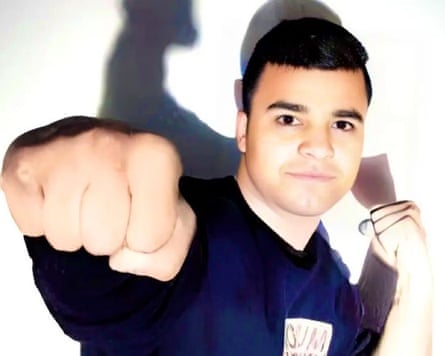
Another MMA fighter, Benyamin Naghdi, equestrian athlete Taraneh Rahimi and the climber Maryam Siri have also been condemned to death this year.
Human Rights for Sport said six athletes have already been executed in cases linked to the January protests or earlier political charges.
Dr Zohreh Abdollahkhani of Human Rights for Sport, said: “The Iranian sporting community is under enormous pressure.. For one of those sentenced to death, we managed to raise attention and awareness through other organisations and they halted his execution. But it was only temporary and I’m very concerned about all of them.”
Human Rights for Sport believe that athletes have been targeted to send a message to the wider community, with the deaths of prominent sportspeople often given widespread coverage in the state-run media. They include Navid Afkari Sangari – a wrestler who was executed in September 2020.
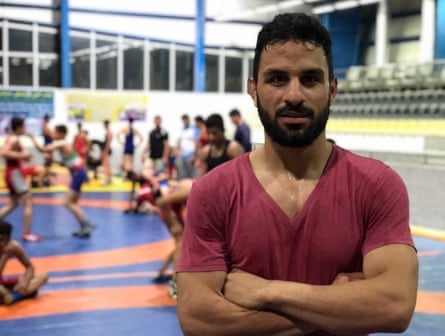
“He was a role model and very famous in the whole community. What happened to him was also a warning to the whole population: look what we can do to someone like this,” Abdollahkhani said.
Mostafavi’s death sentence was upheld by the supreme court at the end of September and he is believed to have been subjected to physical violence during his detention in Kerman before being transferred to solitary confinement. He was accused of being an “armed agent of the American-Zionist enemy” and was arrested for allegedly opening fire on civilians in Azadi Square in Kerman on 24 March and taking part in January’s protests. Mostafavi’s family are thought to have been summoned to the prison hours before his execution.
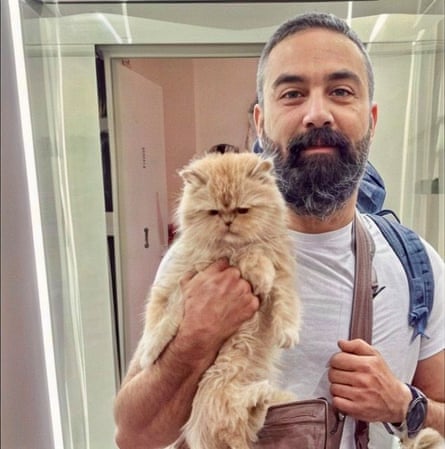
Abdollahkhani said that making contact with those facing the death sentence is a challenge, as some members of their families are also being targeted by security services.
“In one case, his sister and brother-in-law have been arrested and the whole family’s phone lines are under surveillance. So it’s simply impossible to make direct contact,” she said.
Overall, Human Rights for Sport has found that 217 Iranian athletes were killed by direct gunfire in January, and more than 100 others detained. Four members of the European parliament also wrote to Fifa before the World Cup concerning Iranian athletes facing execution but Abdollahkhani said they received no response.
“Fifa is aware of the concerns raised regarding the situation of Iranian athletes and thanks all stakeholders for their continued collaboration and dedication to raising awareness of these critical matters,” a spokesperson for football’s governing body said.
Abdollahkhani also criticised the International Olympic Committee (IOC), saying changes in staffing had made it difficult to raise cases through its human rights and safeguarding structures. The IOC disputed her account, saying it had “fully functioning human rights and safeguarding teams”. It said it was deeply concerned about athletes affected by events in Iran but lacked the authority, as a non-governmental organisation, to change a sovereign country’s laws or political system.
“Within our remit, we work tirelessly with all stakeholders of the Olympic movement, including national Olympic committees and international federations, to support the creation of a safe sporting environment for all athletes. We will continue to work with our Olympic stakeholders to support all athletes globally through sports diplomacy, and we remain in touch with the Olympic community of Iran.”
Middle East and north Africa
Arab and Middle East unrest