Dallas has staged Super Bowls, NCAA Finals and countless major sporting events. But for Monica Paul, president of the Dallas Sports Commission and executive director of the North Texas FIFA World Cup Organising Committee, every one of those events merely prepared the city for what she calls the “biggest sporting spectacle” it has ever held.
The city has already hosted five group stage and three knockout games and now looks forward to hosting the second semifinal on July 15.
“This is on a different level,” Paul told Sportstar. “Not diminishing any of the other events, but because of the length of time, the countries that have been here, the players, the passion and the unity it has created across the region.”

Monica Paul, president of the Dallas Sports Commission and executive director of the North Texas FIFA World Cup Organising Committee | Photo
Dallas drew heavily on its experience of hosting American sporting spectacles while adapting to the unique demands of football’s biggest tournament.
“We had a good foundation with a world-class stadium and staff,” she said. “We looked at lessons on safety, security, traffic management and fan festivals. But we also knew this event brought far more international fans, so we had to modify those plans.”
That focus, Paul said, begins the moment supporters land in Texas.
“We looked at the entire fan journey, from the airport to hotels, transport, the Fan Festival and finally the stadium. Everything had to feel seamless.”
Nearly three years of planning involved 18 expert groups and close coordination with federal, state and local agencies. Even the Texas summer — temperatures have hovered between 32 to 37 degrees Celsius — became part of the operational blueprint.

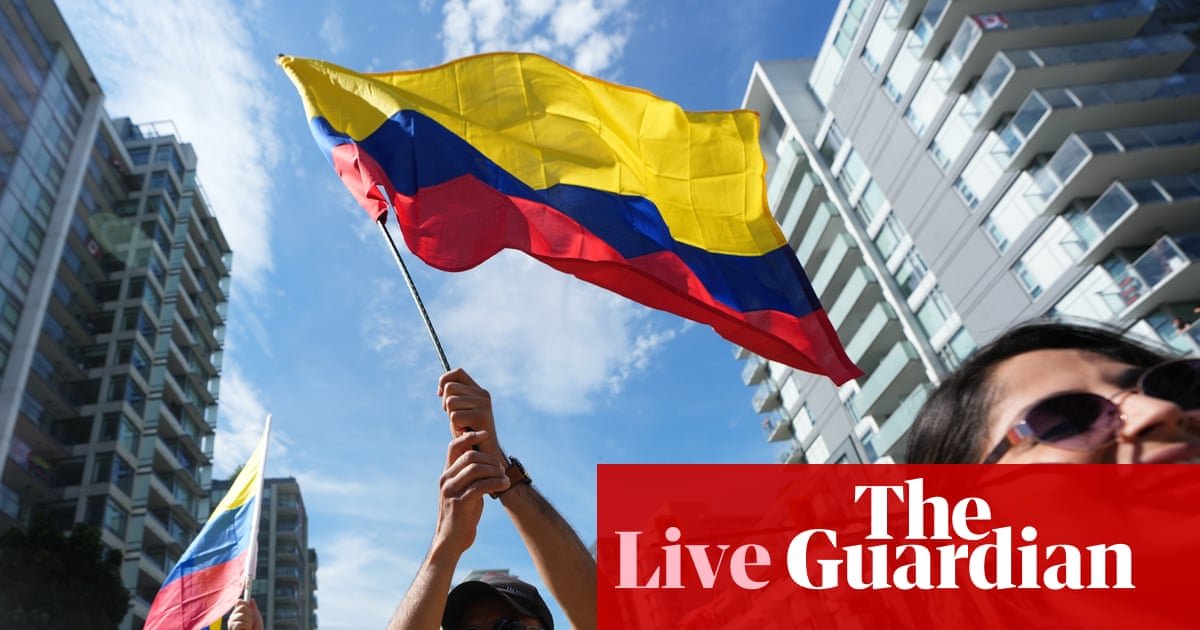
Argentina fans wave a flag depicting Lionel Messi's Argentina shirt during a traditional banderazo rally in downtown Dallas on June 26, 2026. | Photo
“Heat mitigation became a huge part of our planning, from water refill stations and cooling tents to educating people on staying hydrated,” she said.
Yet it is the cultural impact of the World Cup that has left the deepest impression on Paul.
“I’ve been to World Cups in Russia and Qatar, and when I came back, I realised it’s almost impossible to explain what a World Cup feels like until you’re there,” she said.
“People come from every corner of the world. Sometimes their team has already been eliminated, but they’re still celebrating football together. After our first match, I think a lot of people here finally understood what makes this tournament different.”

General view inside the stadium before the FIFA World Cup 2026 Round of 16 match between Portugal and Spain at Dallas Stadium on July 06, 2026 in Arlington, Texas. | Photo
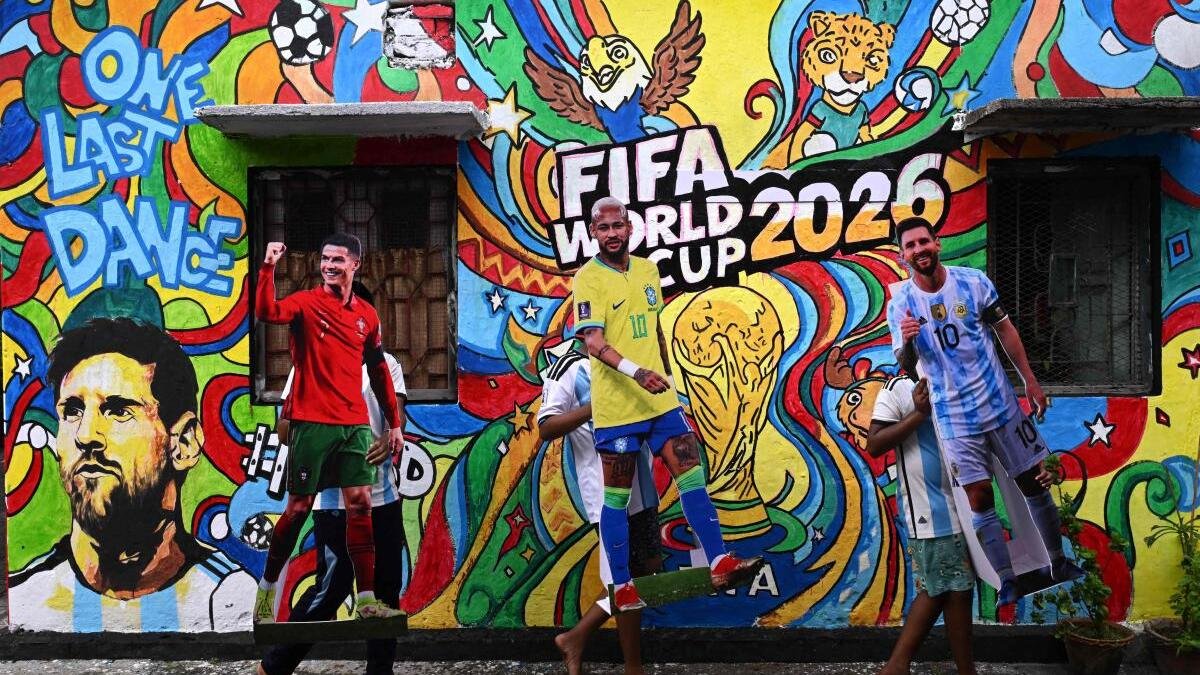
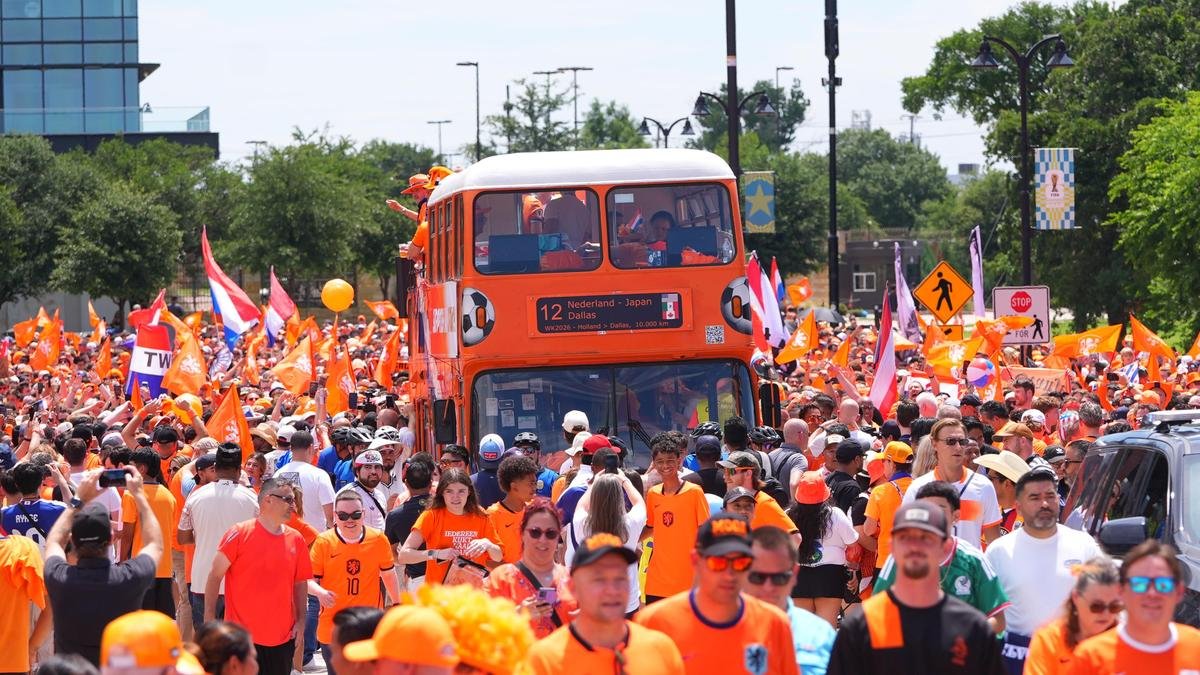
Argentine fan marches through downtown Dallas, Dutch supporters in orange have transformed the city into a meeting point of cultures.
“When we saw nine matches on the schedule, I was shocked,” Paul admitted. “But it also showed the trust FIFA had in Dallas. They believed we could handle it.”
With projected economic benefits of between $1.5 billion and $2.1 billion and ticket sales exceeding expectations, Paul believes the tournament has justified that faith.
“Sometimes you can’t put a price tag on that,” Paul said. “The joy I’ve seen across the city makes you realise there’s more to life than just a match. It’s not just about a World Cup. It’s about the entire world.”