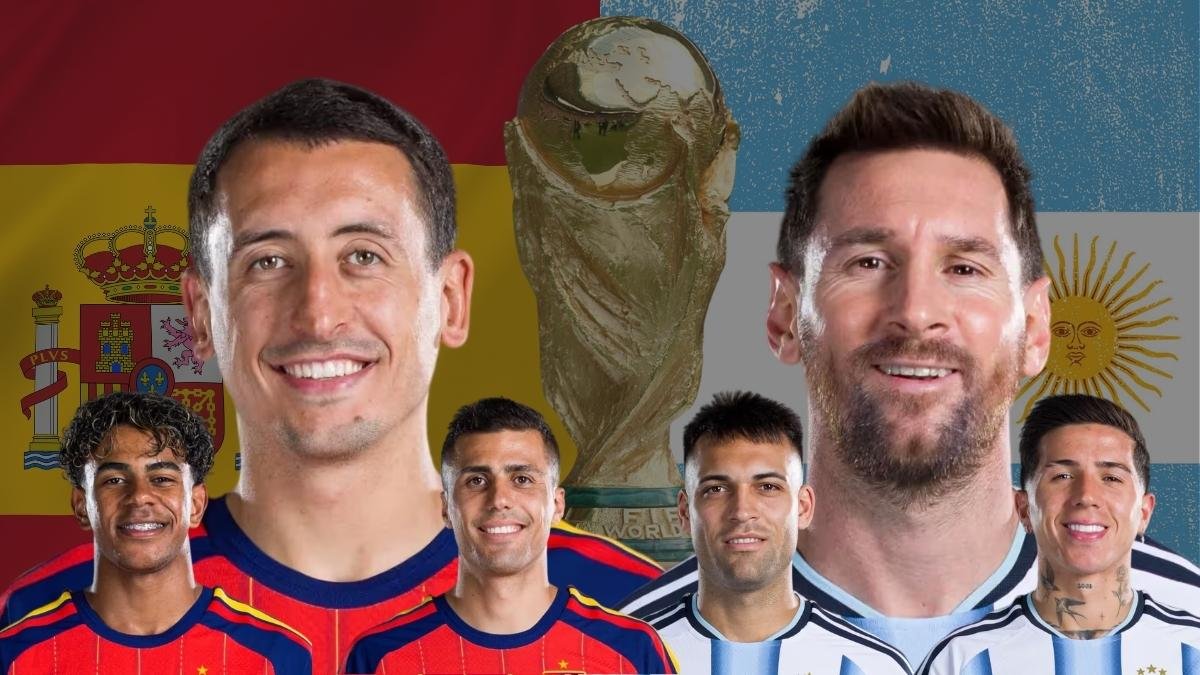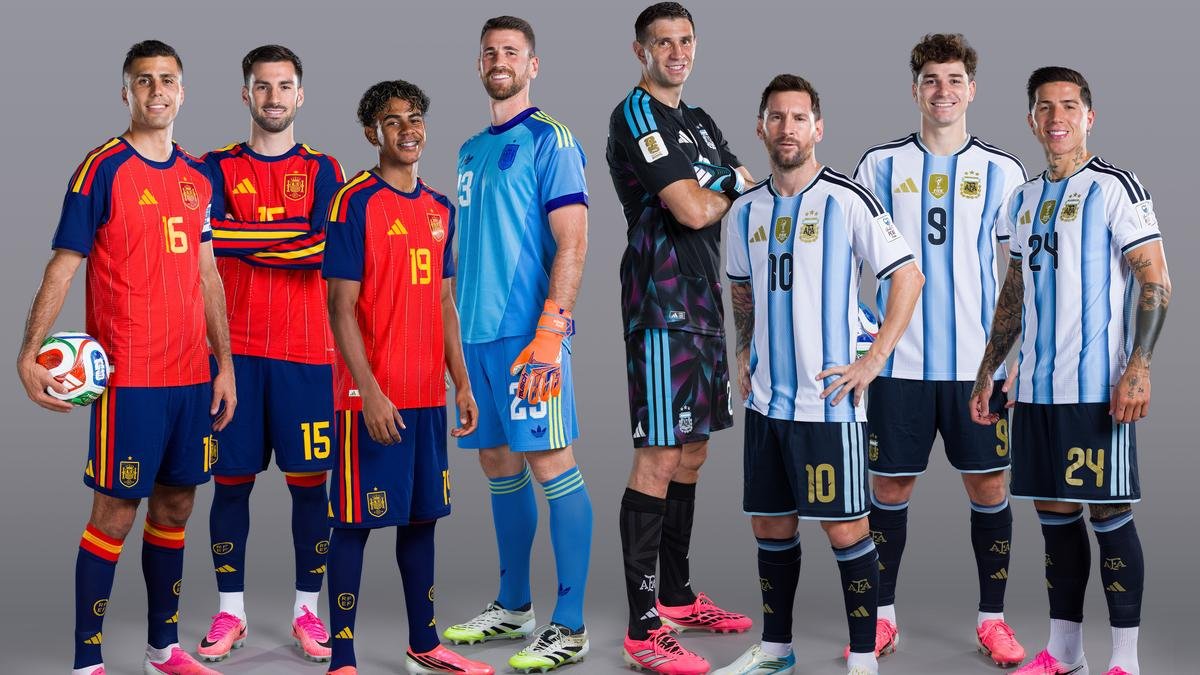
There is more than one way to become a World champion.
Spain has spent the past month trying to ensure football unfolds exactly as it imagines, while Argentina has proved that even when football refuses to cooperate, victory can still be found.
Sunday’s World Cup final brings those two journeys together.
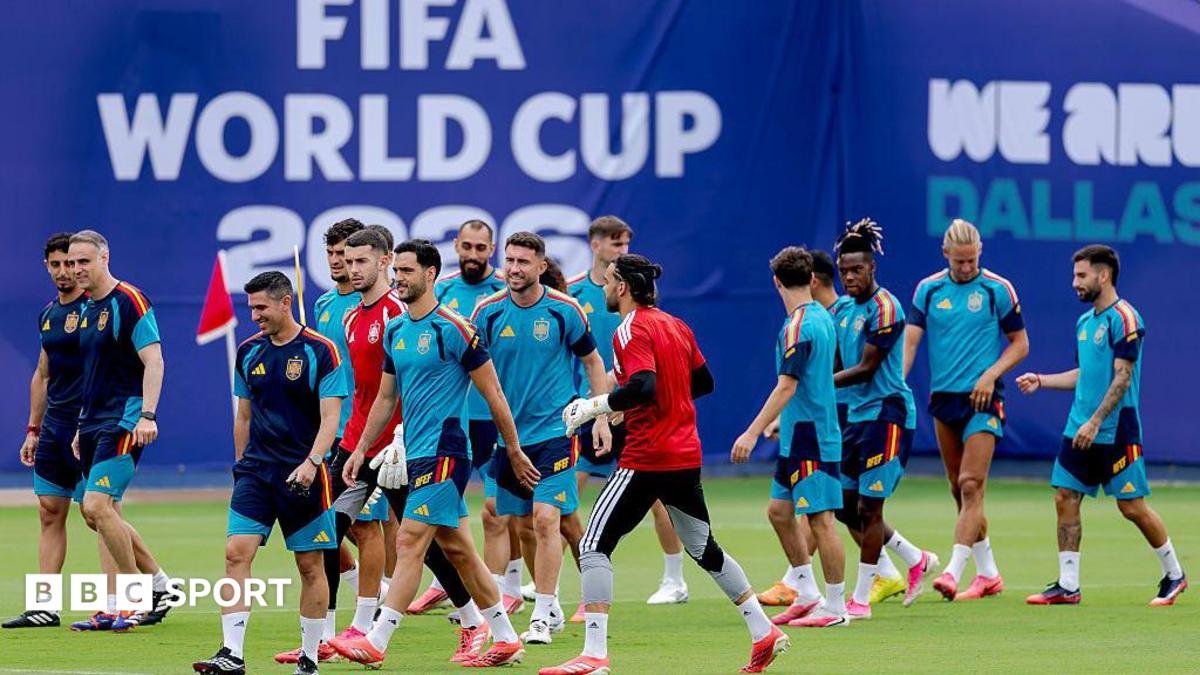
If Spain, which cancelled its training session due to a thunderstorm on Saturday, has glided into the summit clash at East Rutherford, Argentina has clawed its way here.
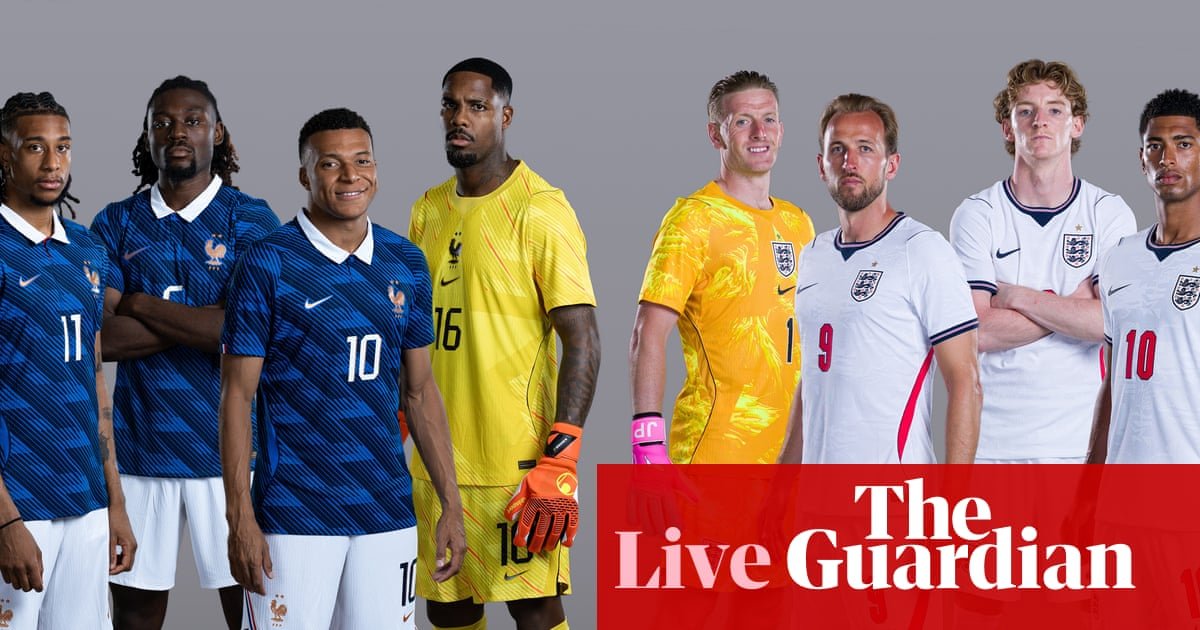
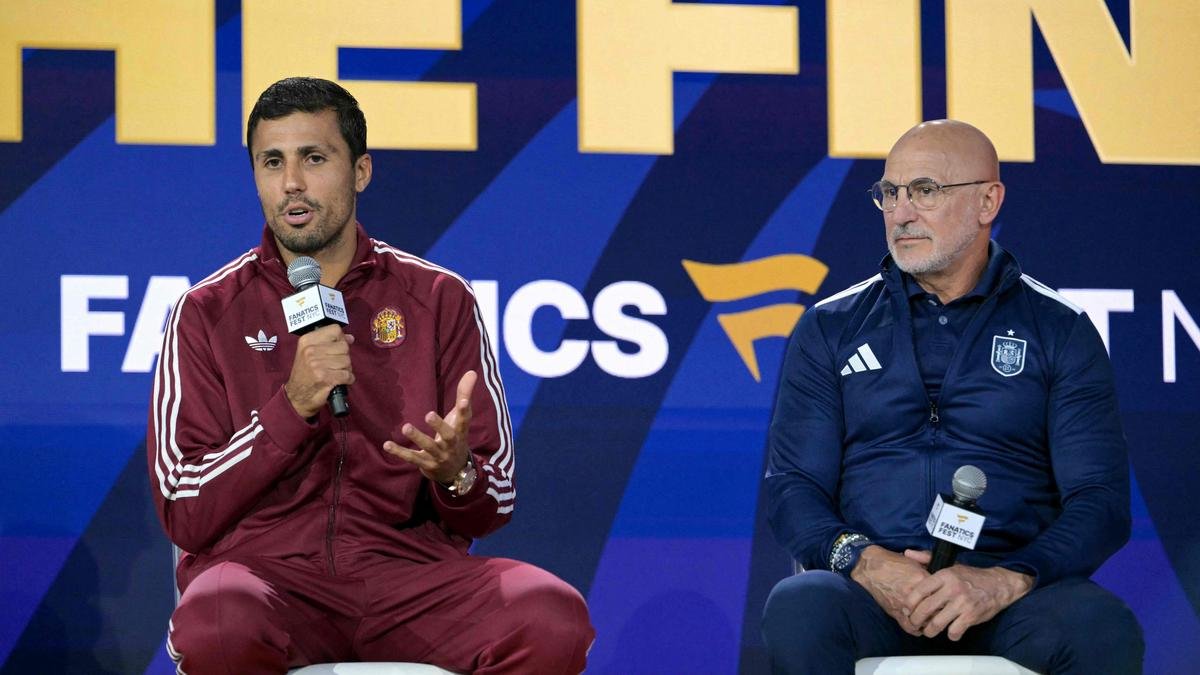
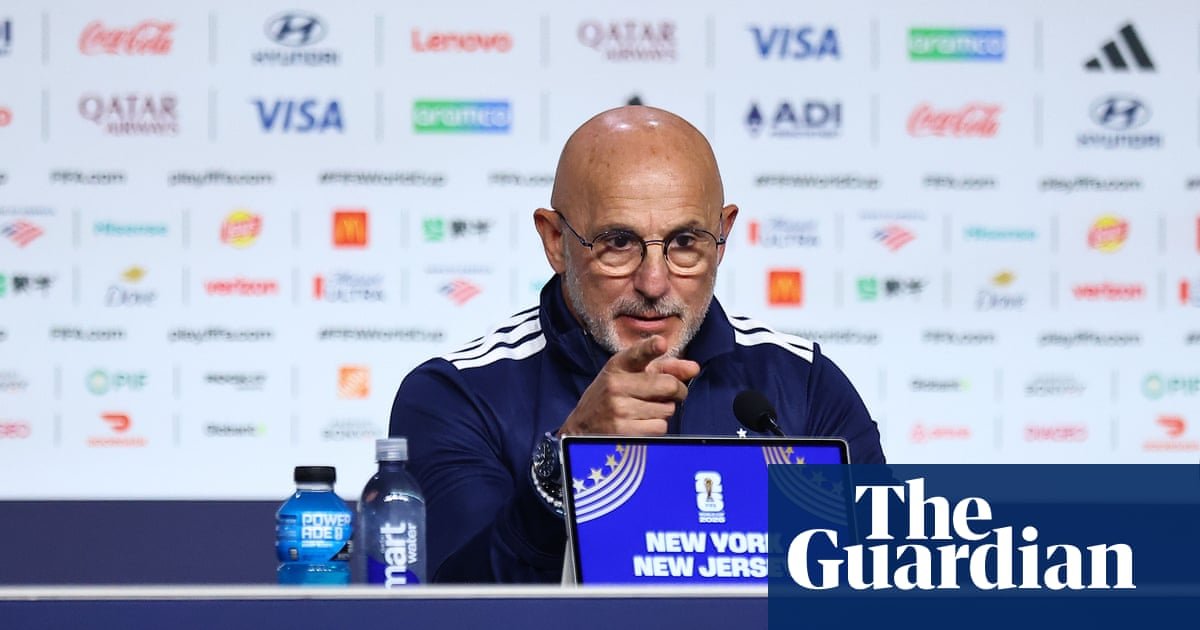
Luis de la Fuente’s European champions have produced the tournament’s most complete campaign. Seven matches, six clean sheets, only one goal conceded and, perhaps most remarkably, not a single minute spent trailing. They dismantled France in the semifinal with the same composure that has become its signature, reducing one of the world’s most feared attacks to little more than spectators.
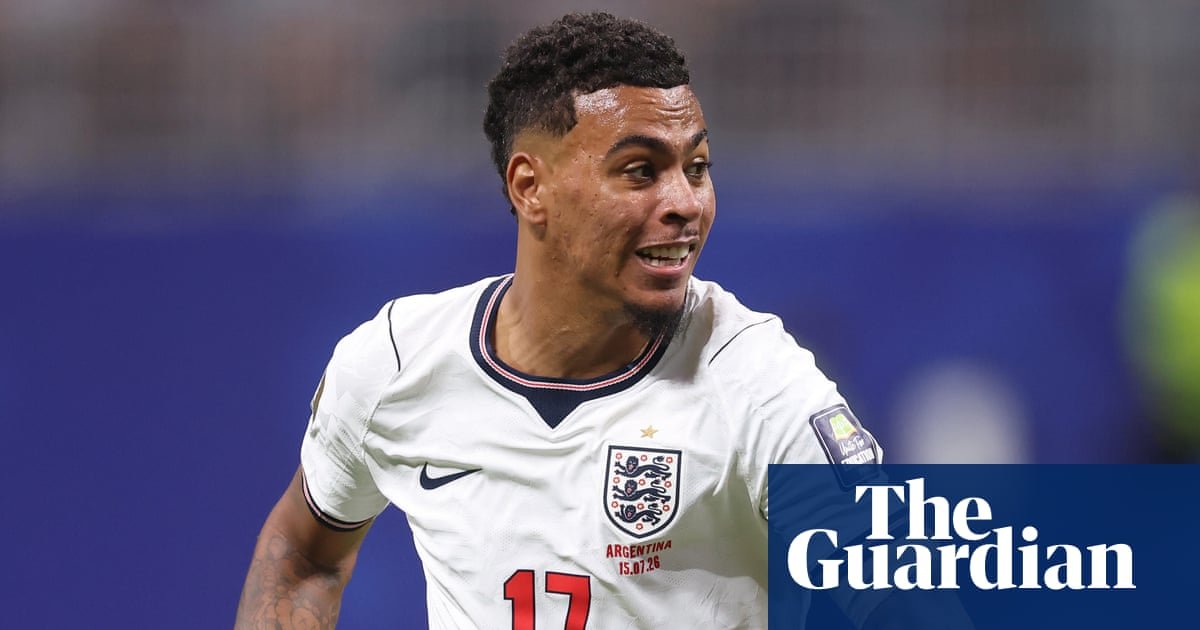
Argentina’s journey has unfolded at the opposite extreme. Lionel Scaloni’s defending champion has needed extra-time, survived penalty shootouts, overturned a two-goal deficit against Egypt and rescued another match against England with two late goals after appearing destined for elimination. Time and again, Argentina has been pushed to the brink, only to discover another gear.
Spain has reached this stage by mastering every situation. Argentina has reached it by surviving every situation.
The football alone would have been enough to make this one of the most enthralling World Cup finals. But it also carries a generational subplot that few sporting occasions could hope to match.
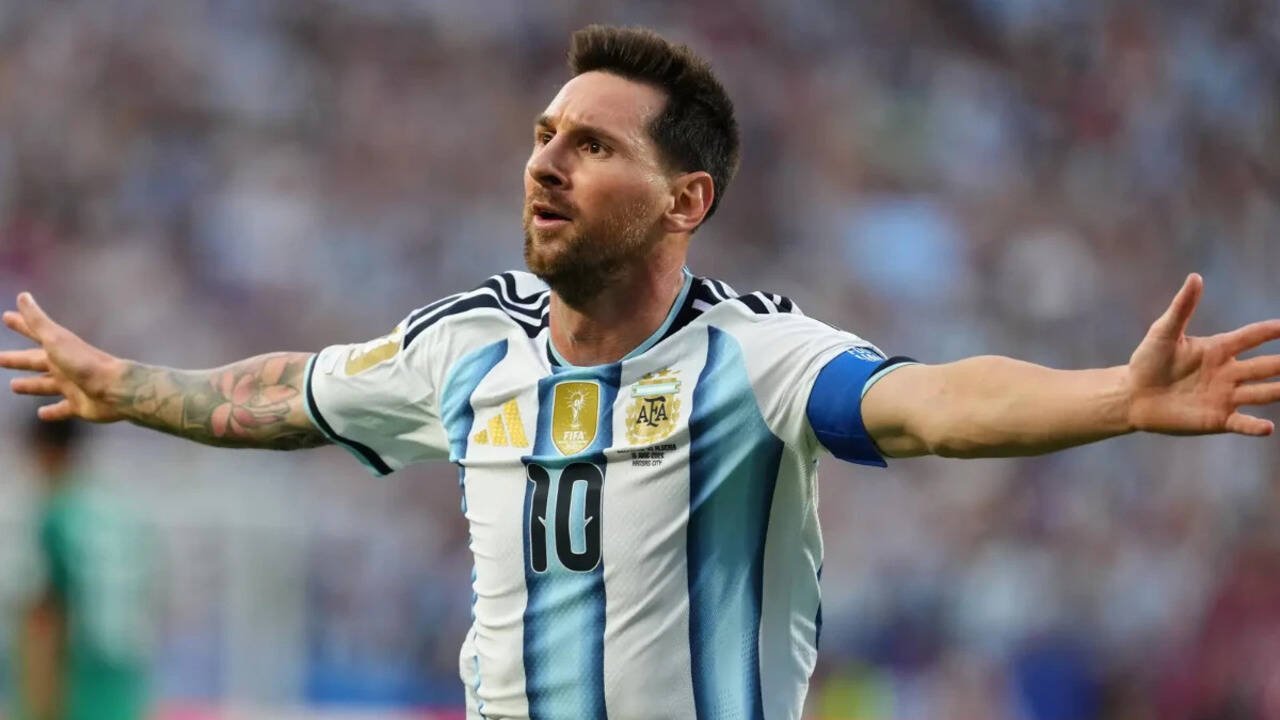
Lionel Messi, 39, walks into what is expected to be the final World Cup match of a career that has redefined the game. Across him will be Lamine Yamal, the 19-year-old many regard as the game’s brightest future.
Their ways have crossed only once before, in a photograph from Barcelona in 2007, when Messi cradled the five-month-old Yamal during a charity calendar photoshoot. On Sunday, for the first time, they will share the same pitch with the World Cup to fight for.
Yet reducing this final to just Messi against Yamal would be a disservice to both teams.
Rodri has been the metronome of Spain’s campaign, dictating the tempo, extinguishing counterattacks, and allowing La Roja to suffocate opponents with possession. His duel with Enzo Fernandez, whose late runs and willingness to attack space have repeatedly transformed Argentina’s fortunes, could dictate the rhythm of the final.
If Rodri imposes his familiar authority, Spain will play the match on its own terms. But if Fernandez can break beyond him and bring Messi into dangerous pockets, Argentina’s belief will once again find fertile ground. Further forward, Mikel Oyarzabal’s movement presents another fascinating contest. The Spain striker has scored five goals, but few centre-back pairings relish physical confrontation more than Cristian Romero and Lisandro Martinez. Spain’s intricate attacking play depends on Oyarzabal creating space for Yamal, Dani Olmo and Alex Baena and Argentina’s defenders will aim to ensure those spaces never materialise.
Neither coach has significant injury concerns ahead of the final. de la Fuente is expected to retain the core that has carried Spain within one victory of a second World title, with Rodri anchoring a midfield alongside Fabian Ruiz and Yamal providing the spark from the right.
Scaloni also has a full squad available, with his only genuine dilemma coming in attack, where Julian Alvarez’s relentless pressing may again earn him the nod ahead of Lautaro Martinez despite the latter’s semifinal winner.
For more than a month, Spain has made the extraordinary look routine, while Argentina has reached the final by making the impossible appear ordinary.
Now, one match will decide which of these two teams will become the defining story of this World Cup.