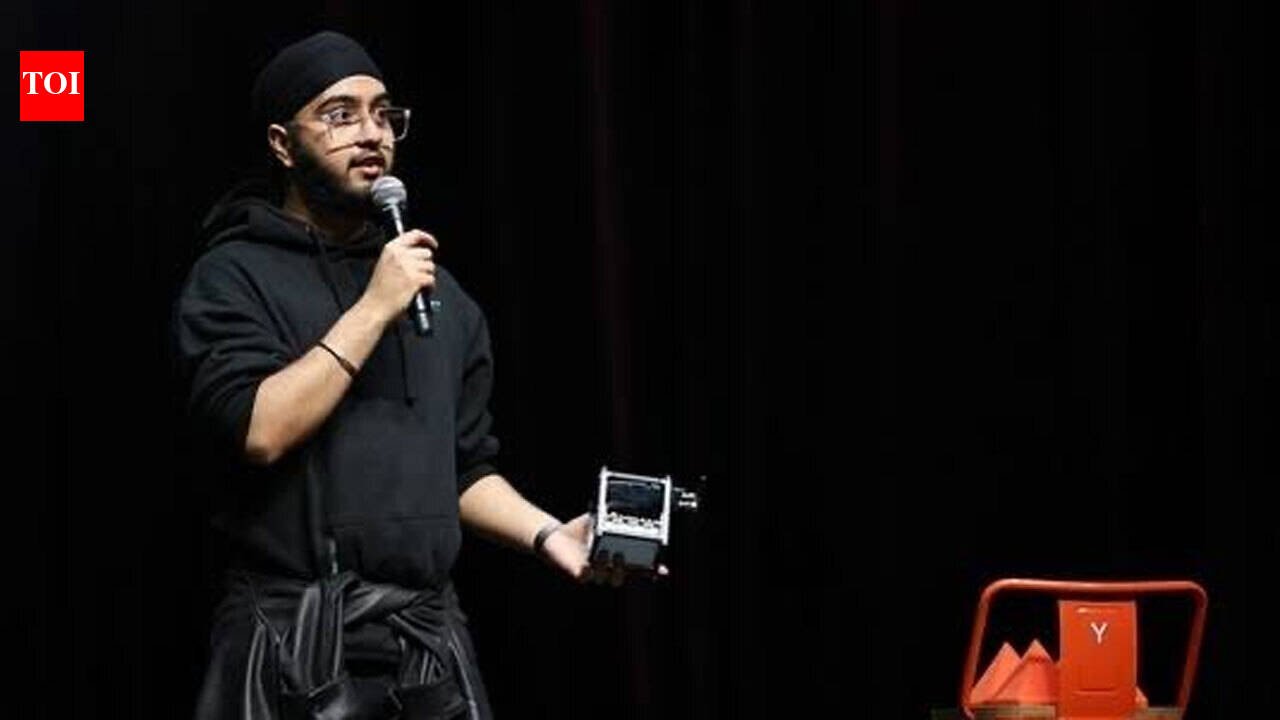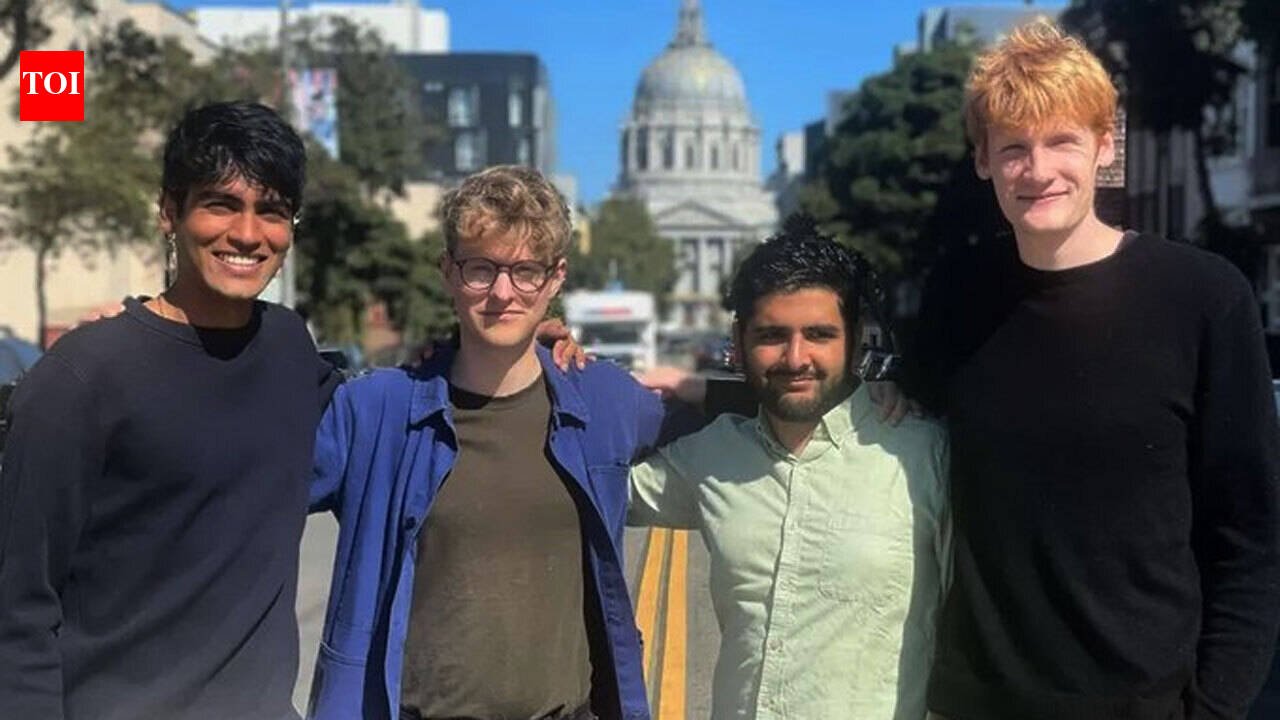
Four MIT dropouts started with an idea that failed: How their next move turned Cursor into a $60 billion AI giant. (Photo: X Post) Four students in their twenties started with a side project that did not work out as planned.
They explored ideas ranging from AI tools for mechanical engineers to other experimental projects before making a major pivot.A few years later, their company had become one of the fastest-growing names in artificial intelligence.And in August 2026, Cursor officially became part of SpaceX, completing a $60 billion acquisition that turned its four young co-founders into multi-billionaires, according to estimates published by Forbes.The founders—Michael Truell, Aman Sanger and Sualeh Asif, all 25, and Arvid Lunnemark, 26—had been students at the Massachusetts Institute of Technology before dropping out to build the company behind Cursor.The idea that failed before Cursor took off The four founders started Anysphere, Cursor's parent company, in 2022.Their first idea was not the AI coding product that would eventually make them famous.
According to accounts of the company's early journey, the team initially explored building an AI copilot for mechanical engineers, partly because they believed the field was less competitive.The idea did not take off.After experimenting with other projects, the founders pivoted towards something they had initially considered too crowded: AI-powered coding.
That decision changed everything.Cursor was designed to help developers write, understand, edit and improve software using artificial intelligence.
As AI models improved, the company moved beyond simple code completion towards AI agents capable of handling increasingly complex programming tasks.The timing proved extraordinary.From a $2.6 billion valuation to a $60 billion acquisition Cursor's rise was remarkably rapid.The company was valued at around $2.6 billion in late 2024.
By June 2025, its valuation had climbed to nearly $10 billion, before rising further to around $29.3 billion later that year, according to Forbes.By June 2026, Cursor had reached around $4 billion in annualised revenue, driven increasingly by business customers.But the AI coding market was becoming increasingly competitive.
Companies including OpenAI and Anthropic were building competing coding products, while Cursor was also investing in its own models and AI agents.The next challenge was scale—and, particularly, access to massive computing resources.Why SpaceX wanted Cursor In April 2026, SpaceX announced a partnership with Cursor that included an option to acquire the company for $60 billion.Two months later, SpaceX exercised that option, agreeing to acquire Anysphere, the company behind Cursor, in an all-stock transaction valued at $60 billion.
The acquisition was aimed at strengthening SpaceX's broader AI ambitions and expanding its capabilities in coding and enterprise AI.The acquisition was subsequently completed.
Cursor itself announced on August 14 that it had officially become part of SpaceX and said the combination would give it access to what it described as the world's largest fleet of GPUs.For the young founders, the numbers were staggering.
Forbes estimated that the four co-founders could each be worth about $2.7 billion following the transaction.The bigger lesson: the first idea does not have to be the winning one The Cursor story is remarkable not just because four MIT dropouts built a company worth $60 billion before reaching 30.It is also a story about changing direction.Their early idea did not become the breakthrough.