Investigation into unnamed lawmakers comes hours before parliament is due to to vote on successor to Mykhailo Fedorov as he calls for elections
11m ago'No clear understanding' on how to safely conduct election in wartime Ukraine
24m agoMorning opening: Fresh corruption probes add to Zelenskyy's problems ahead of key vote
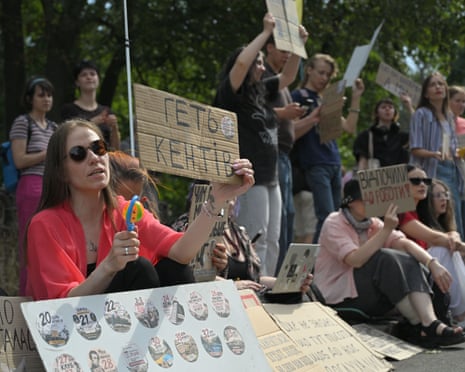
Ukraine’s anti-corruption agencies opened an investigation into unnamed lawmakers and presidential advisers just hours before a key vote in parliament, adding to pressure on president Volodymyr Zelenskyy.
The Nabu and Sapo agencies released no further details, Reuters noted, but their announcement comes just hours before the Ukrainian parliament is due to vote on a new defence minister, Yevhen Khmara, appointed after Zelenskyy sacked his popular predecessor, Mykhailo Fedorov.
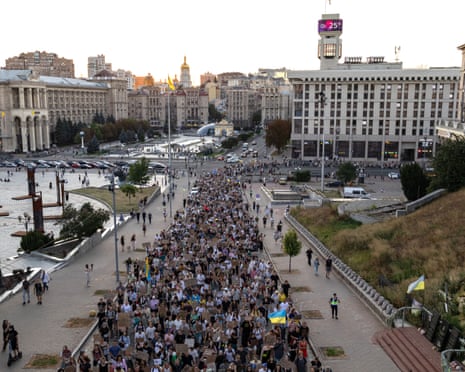
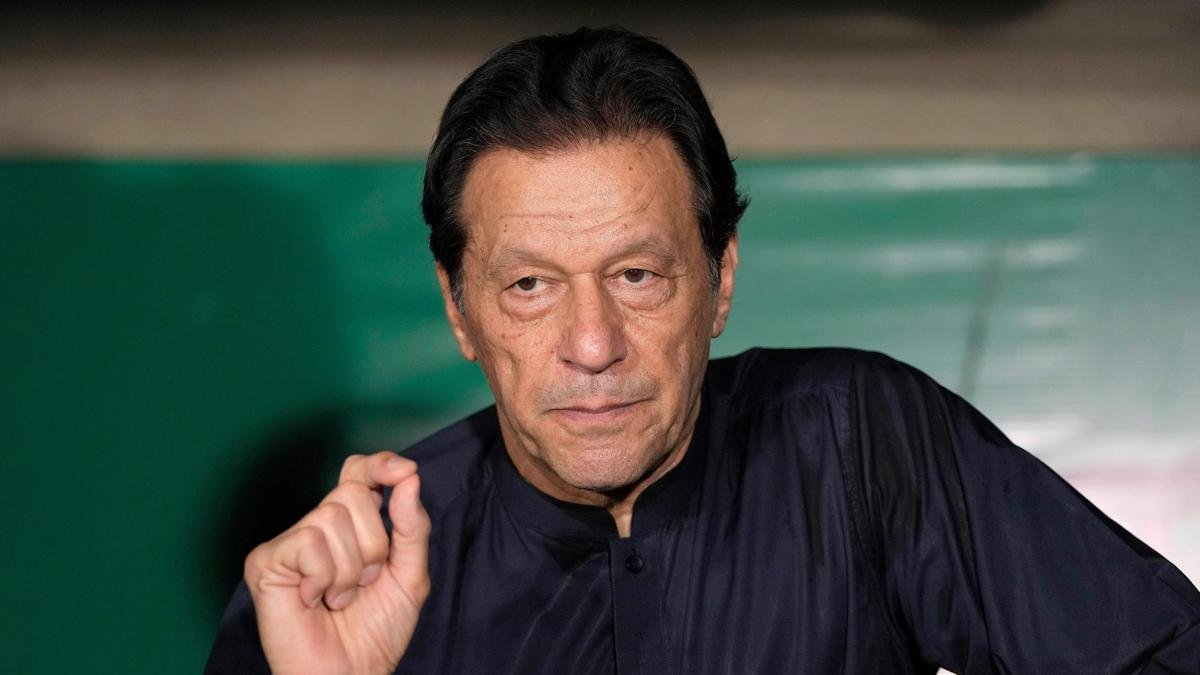
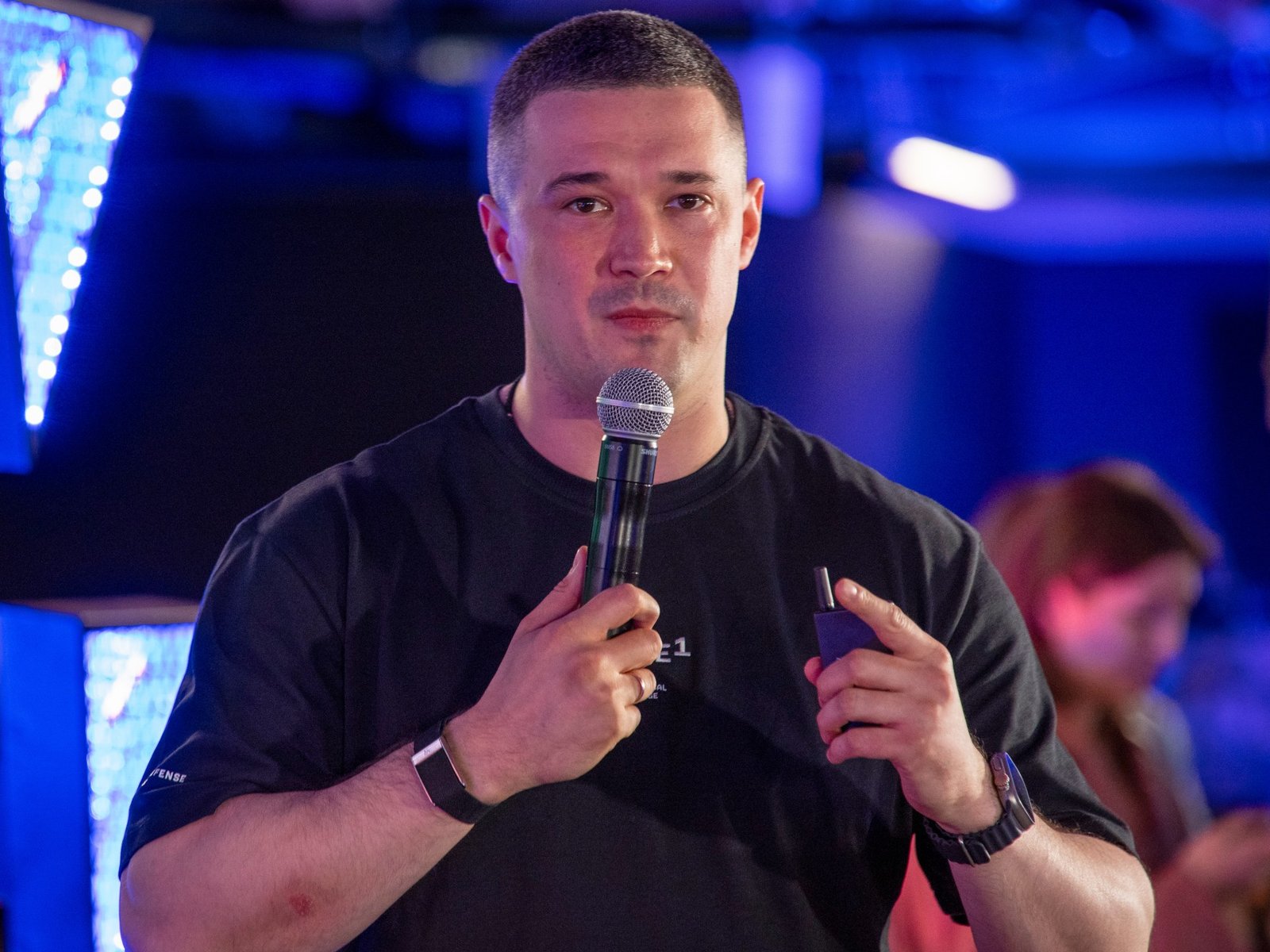
On Tuesday night, Fedorov called for a wartime presidential election in the most direct political challenge to Zelenskyy since the start of Russia’s full-scale invasion in 2022.
As our defence and security editor Dan Sabbagh reported,
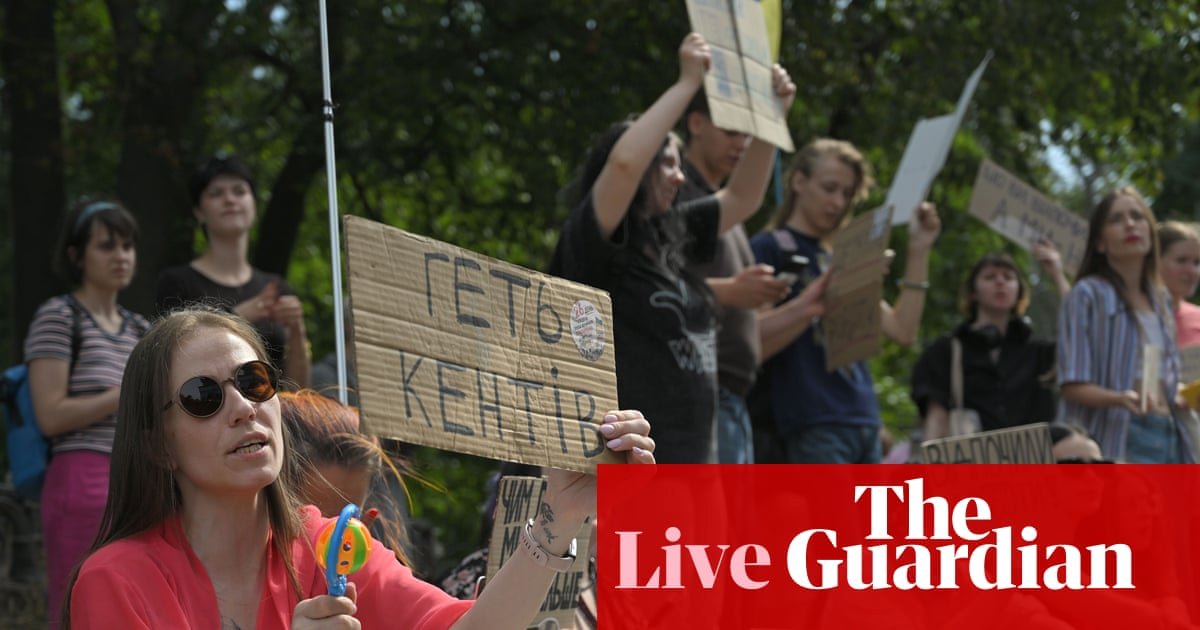
“The politician, whose abrupt sacking last month triggered a wave of protests, said that Ukraine had to “restore a full democratic process even amid a prolonged war” in a video address released online late on Tuesday evening. “Democracy cannot be held hostage by Russia. We are fighting precisely because we want to remain a free European state,” Fedorov said in his nine-minute speech.”
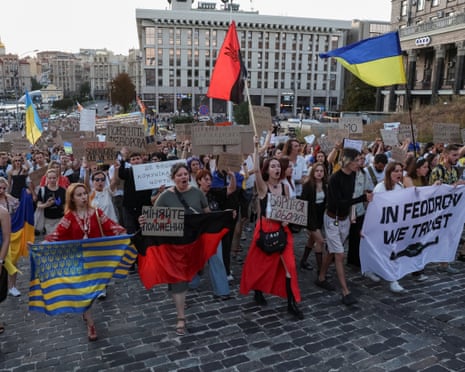
“The politician, whose abrupt sacking last month triggered a wave of protests, said that Ukraine had to “restore a full democratic process even amid a prolonged war” in a video address released online late on Tuesday evening.
“Democracy cannot be held hostage by Russia. We are fighting precisely because we want to remain a free European state,” Fedorov said in his nine-minute speech.”
Overnight, at least four people died in Russian attacks on Ukraine, after a drone hit a bus in the southern city of Kherson.
Ukraine, meanwhile, sent hundreds of drones towards targets in Russia, with Moscow claiming it downed 453 of them.
I will also keep an eye on the latest in Belgium, as the firefighting operation against the largest wildfire in the country’s recent history appears to be nearing an end.
It’s Wednesday, 19 August 2026, it’s Jakub Krupa here, and this is Europe Live.
Good morning.
Artem Bronzhukov, a Ukrainian political analyst, questioned whether it would be practical to hold elections given that Russian bombing was continuing.
“Today there is no clear understanding of how to ensure people’s safety in the context of a full-scale war.”
There was, he added, “a fairly deep-rooted view within Ukrainian society” that elections are necessary but only after the hot phase of the war ends – and that the country remained “a warring democracy – confirmed precisely by the protests taking place after Fedorov’s resignation from the government”.
Polling conducted at the turn of the month reported the ex-minister would come third in the first round of a presidential election with 13.1%, behind Zelenskyy on 22.3% and the former head of the armed forces, who is now Ukraine’s ambassador to the UK, Valerii Zaluzhnyi, on 21.4%.
The same polling, conducted by the Socis Centre for Social Research, also concluded that Zelenskyy would then be defeated in the run-off election by both Fedorov and Zaluzhnyi. Ukraine uses a two-stage voting system.
If Ukraine were to hold an election, it would have to contend with the fact that millions have been exiled and displaced since the start of the war, and that more than 1 million are serving in the armed forces, many on the frontline. About a fifth of the country’s territory is also under Russian occupation.
Europe live with Jakub Krupa