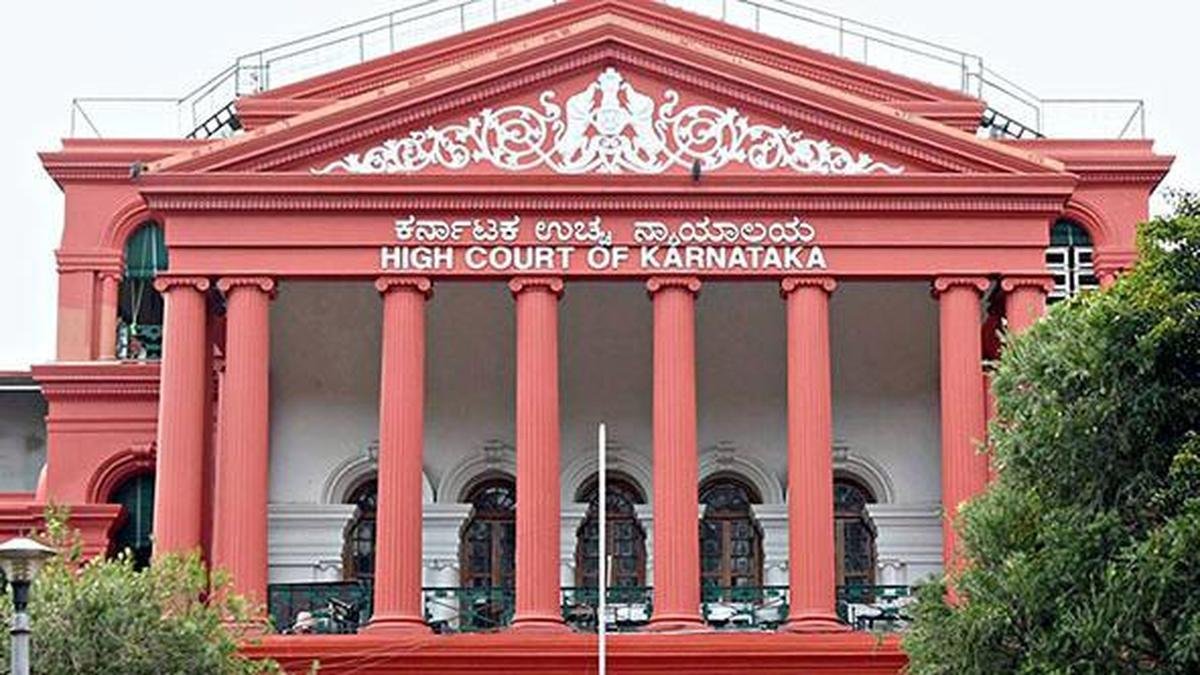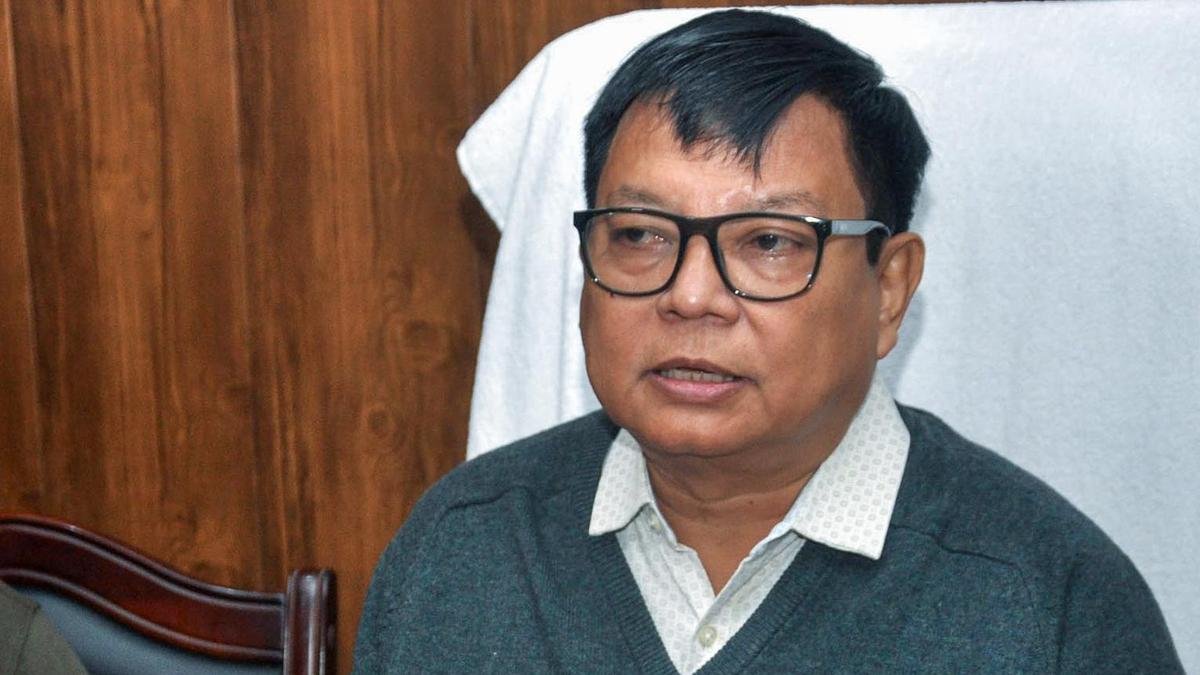
The Gauhati High Court has directed the Assam and Nagaland governments and other authorities concerned to submit detailed affidavits by November 3 on eastern Assam’s devastating floods, in response to an August 17 petition filed by Congress leader Debabrata Saikia.
Mr.
Saikia is a former MLA from Nazira, one of the worst-affected Assembly constituencies in Sivasagar district.
Flash floods caused by extremely heavy rainfall along the Assam-Nagaland border hit Sivasagar in July.
Adjoining Charaideo and Jorhat districts also suffered extensive damage.
Over ₹1,000 crore likely needed for rehabilitation of Assam flood victims: Himanta “Chief Justice Ashutosh Kumar observed that the concerns I had raised in the public interest litigation (PIL) were genuine and noted that I have been pursuing the issue of illegal mining in the Dikhow River over the past eight years,” Mr.
Saikia said on Wednesday (August 26, 2026).
Scrutiny of contributing factors His petition seeks judicial scrutiny into the factors that contributed to the floods, including alleged illegal mining in the Dikhow riverbed, activities in the Nagaland catchment areas, and the release of water from upstream dams.
Saikia alleged that the July floods, which claimed more than 80 lives and affected lakhs of people across Sivasagar, Charaideo, Jorhat, and Golaghat districts, were aggravated by prolonged administrative inaction despite earlier warnings and court directions.
He cited his PILs in 2018 and 2019 before the Gauhati High Court, which raised an alarm over alleged illegal and unscientific sand and stone mining in the Dikhow River, particularly in areas along the Assam-Nagaland border.
Collaboration, not blame game, needed to tackle floods, says Nagaland Minister The former MLA said the High Court, in 2019, sought measures to be undertaken against illegal mining and the constitution of a dedicated Mines and Minerals Task Force Battalion.
The court repeated the directions in 2022.
“These directions were not effectively implemented, and illegal mining continued in the riverbed,” he said, referring to a January 12 report of the State’s Water Resources Department.
This report had warned that continued excavation could alter the course of the river and lead to severe consequences.
“The Assam government must answer why it ignored judicial orders for eight years,” Mr.
Saikia said, alleging that the continued mining activities weakened the river’s natural protective features and contributed to the scale of the flooding.
His PIL also raised concerns over alleged open-cast coal mining in Nagaland’s Mon, Mokokchung, and Wokha districts, and the possible impact of water released from Nagaland’s Doyang Hydro Electric Project on the downstream areas of Assam.
The court emphasised the need to examine why recurring floods continue to cause widespread loss and hardship in Assam, seeking details of the measures taken by the authorities to prevent such incidents.