Humanitarian catastrophe largely ignored as rivals Gadi Eisenkot and Benjamin Netanyahu vow to end Hamas rule
As Israel prepares to go to the polls, Palestinians in Gaza are bracing for an outcome that could shape their future, knowing their fate rests with the country that has reduced much of the territory to rubble and killed nearly 75,000 people.
Gaza, where nearly a million displaced Palestinians face dire sanitary conditions, water shortages and the constant threat of Israeli strikes, has been largely absent from the election campaign.
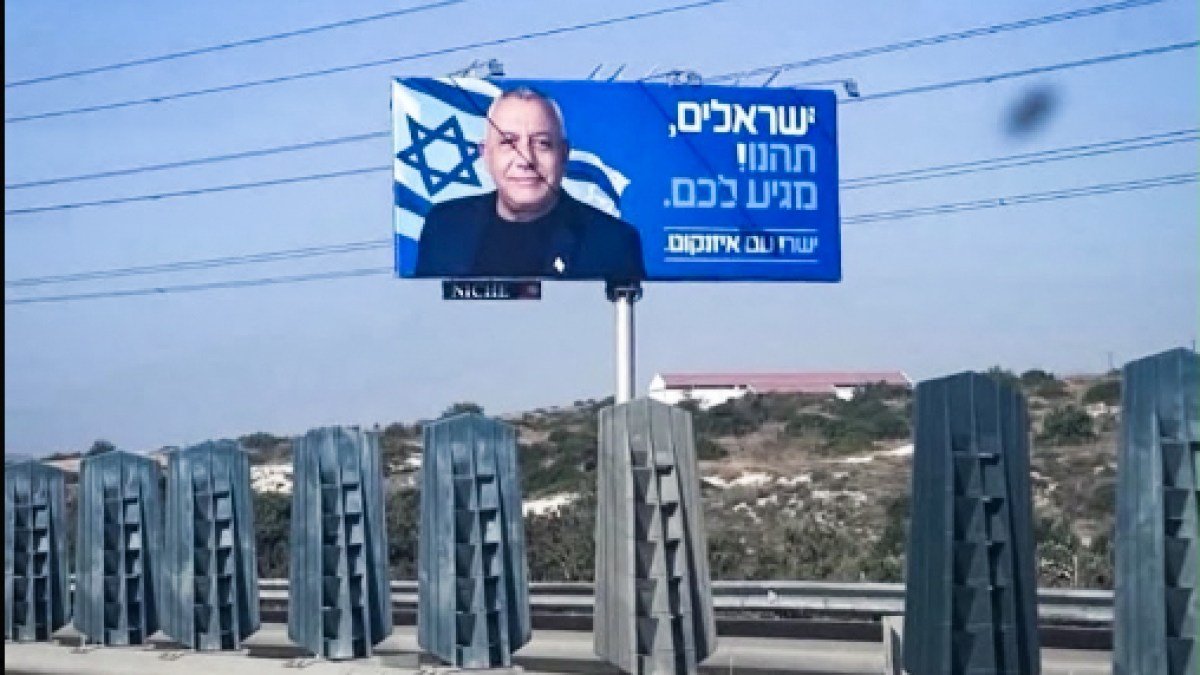
Both Benjamin Netanyahu’s far-right coalition and Gadi Eisenkot’s opposition Yashar party have focused instead on the goal of destroying Hamas in the wake of the 7 October attacks and the trauma inflicted on Israeli society. The humanitarian catastrophe unfolding just across the border has received little, if any, attention.
“We hope a government will come to power that is less inclined towards killing, displacement and our extermination,” said Sami Abu Rumi, 47, from Rafah, who is now displaced in al-Mawasi, Khan Younis. “But, ultimately, we see the thinking of Israeli governments as largely similar.”
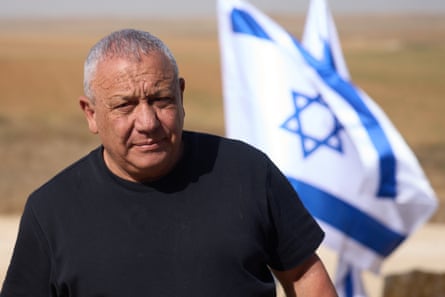
Neither Netanyahu nor Eisenkot has set out a clear plan for Gaza’s future. Both have vowed to end Hamas rule and both support Donald Trump’s controversial peace plan.
Eisenkot, the former military chief whose party is leading Netanyahu’s Likud in the polls, has pledged to restore Israel’s international standing after three years of war. Yet he is no dove.
A senior commander during Israel’s 2006 war with Hezbollah, Eisenkot, whose son and two nephews were killed fighting in Gaza, later championed the “Dahiya doctrine”, which advocated overwhelming force against civilian areas where militants operated. Critics say the strategy has since been employed in Gaza, causing widespread destruction that, they argue, amounts to war crimes.
“Eisenkot talks of defeating Hamas, while Netanyahu boasts about military operations and the killing of Palestinians,” said Abu Rumi. ‘‘Gaza’s suffering has become campaign fodder. Meanwhile, families here struggle to feed their children, keep them in school and access medical care. With homes and infrastructure destroyed, simply surviving has become a daily struggle.”
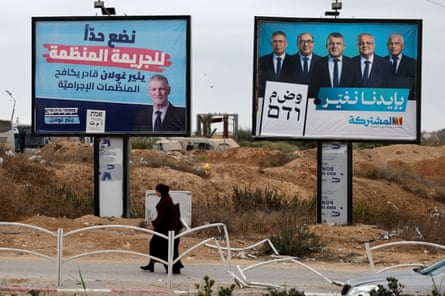
Earlier this week, the Arab-led Joint List party in Israel aired a 48-second election video showing drone footage of Gaza’s ruins. “[We] behave as if everything that has happened here is completely normal,” the voiceover says. “As if tens of thousands of people weren’t killed here … as if entire cities were not destroyed and turned into wastelands.”
The party vows it “will not be silent”, adding: “[The other parties] want more destruction. We offer life.”
The chances of Arab parties joining an Eisenkot-led coalition are slim to none, although they could offer support from outside government. Yet among Palestinians in Gaza, pessimism runs deep: whoever wins, little is expected to change.
“I do not believe anyone genuinely cares about Gaza or has its people’s interests at heart,’’ said Haneen Hamdouna, 45, from Beit Lahia, who has also been displaced to al-Mawasi. ‘‘Whether it is Netanyahu, Eisenkot or someone else, attacking Gaza seems to have become part of Israeli election campaigning.
“For years, we have said that the incoming government might be better than the one before it, only to be shocked when it turns out to be worse. Perhaps 200 trucks would be allowed into Gaza instead of 100, but that would not mean any real change in our lives.”
In Gaza, most people are too preoccupied by the struggle to find food and water to follow the election campaign. Fears of renewed hunger are mounting as markets run short of fresh produce and other essentials.
Residents say commercial deliveries have been suspended for about a week, driving up prices. Flour now costs more than three times its previous price, while dwindling humanitarian aid has left families increasingly vulnerable to another food crisis.
Yet, some people in Gaza are following the Israeli elections closely, driven less by hope of change than fear of what the outcome could mean for their future.
They fear that Palestinian suffering has become a recurring feature of Israeli election campaigns, with candidates competing over who can take the toughest stance towards Gaza rather than offering any prospect of a better future.
“A friend was supposed to hold his son’s wedding in the coming days,” said Karim Mareesh, 43. “But he decided to postpone it until after the Israeli elections. He feared that the far-right government might secure another term, prompting the war to resume and forcing him to flee again. He could lose his tent and the wedding supplies he had struggled to save up for.”
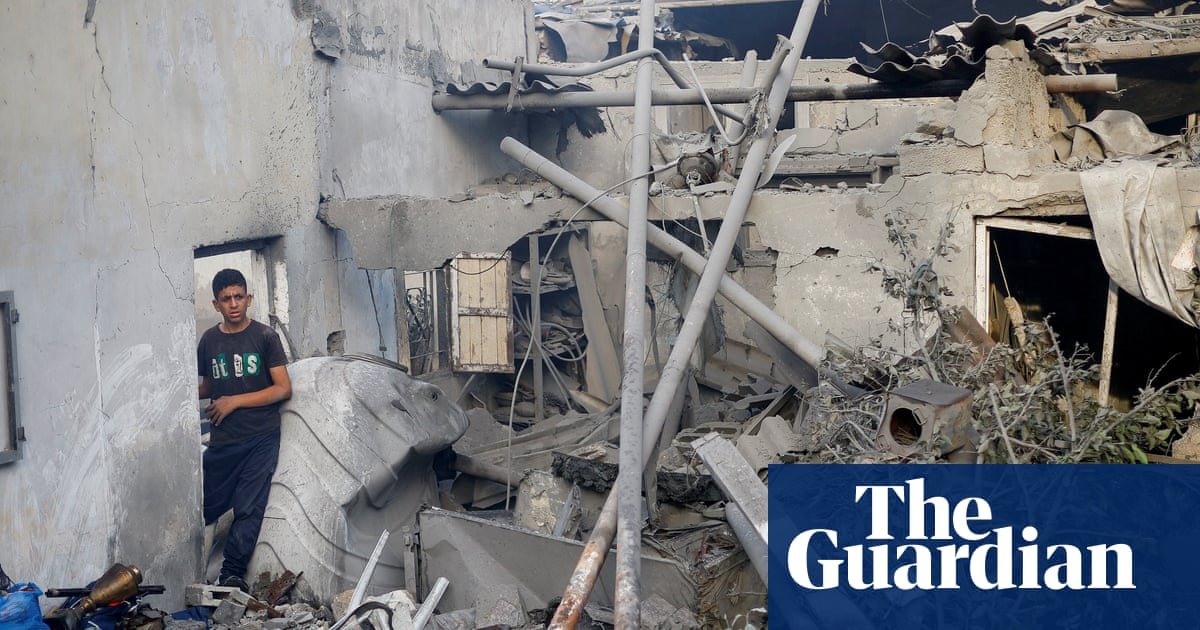
Hope is hard to find in Gaza, where three years of war have reduced entire neighbourhoods to wastelands of shattered concrete and bomb craters. It is harder still to imagine a future when Israeli restrictions on food and humanitarian aid have turned hunger into a weapon of war. And almost impossible to see any light at the end of the tunnel when more than 20,000 Palestinian children have been killed since 7 October 2023.
“I feel that everything said about addressing our suffering is nothing more than an attempt to soothe our pain, or simply words and promises that we no longer believe,” says Noor AlMoghanni, 20, from Gaza City.
“Whether Netanyahu wins or loses, the reality here will not change. As I see it, their goal is to destroy Gaza and the foundations of life here.”
Middle East and north Africa