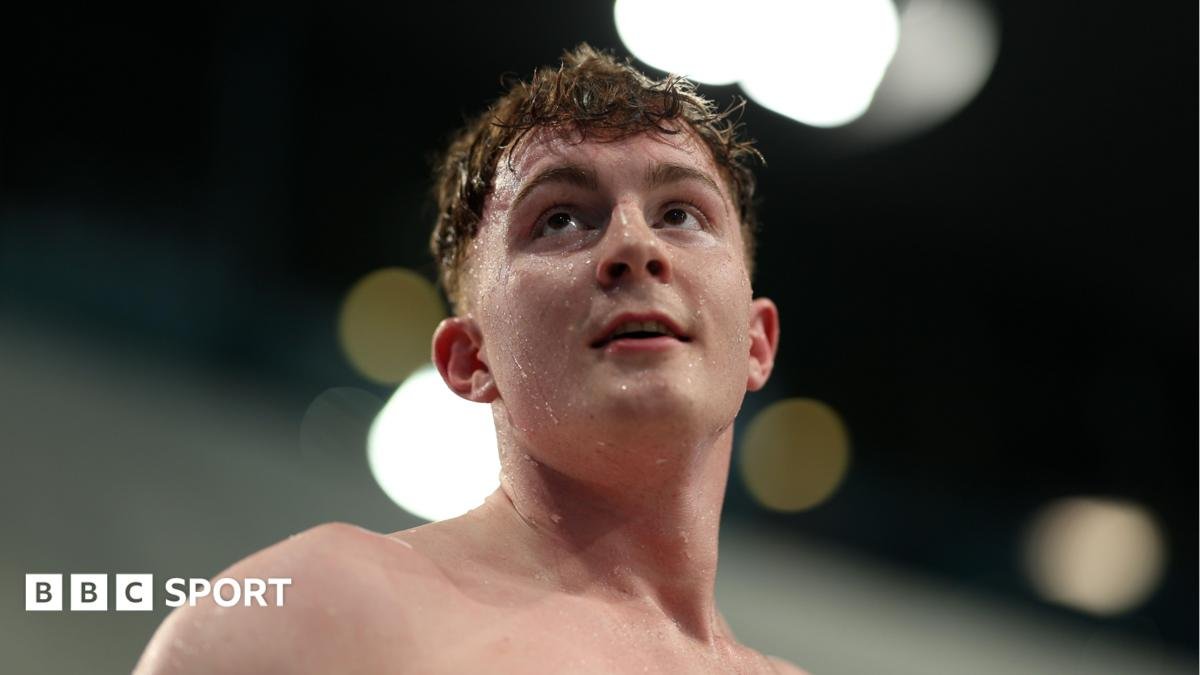
"Give us a chance to fight for our lives."
Tears rolled down Archie Goodburn's face as he implored Prime Minister Andy Burnham to invest more money and resources into brain cancer research.
The Scottish swimmer was diagnosed with inoperable brain tumours just over two years ago and he has advocated passionately since then for an increased focus on the disease.
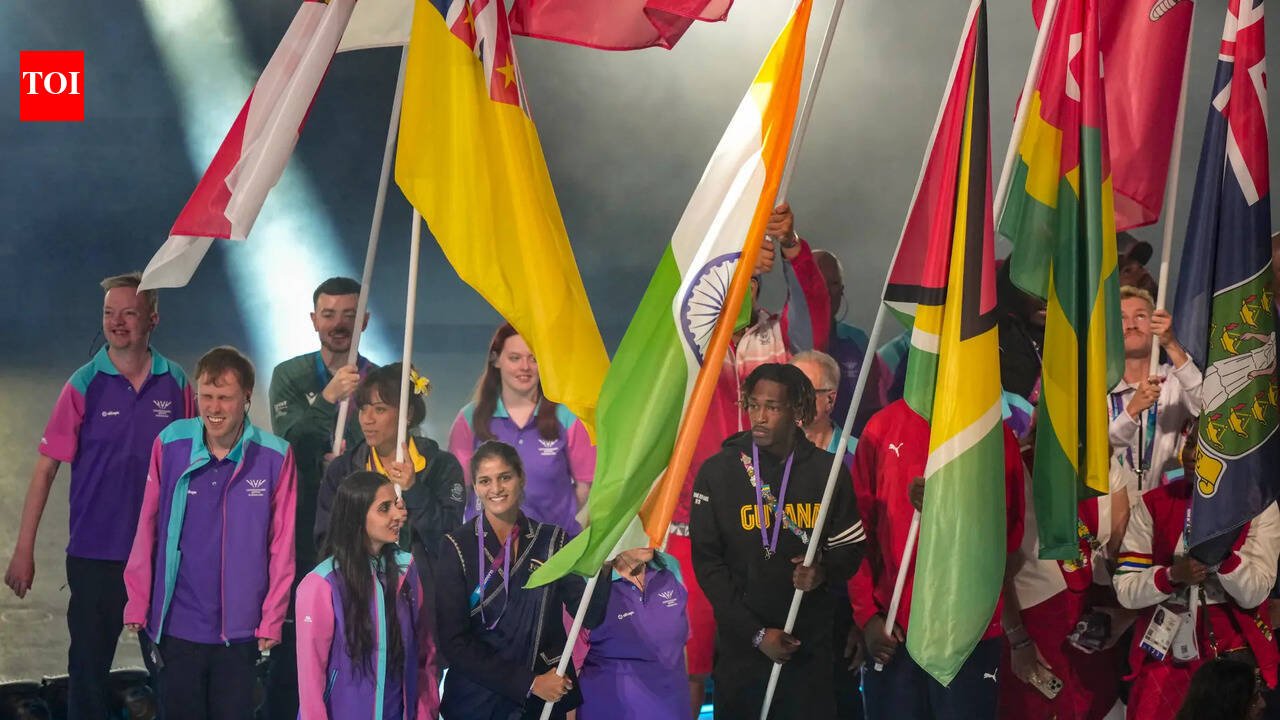
"One of my dreams is that we see a future where brain cancer isn't the biggest killer of patients under 40," Goodburn said during the recent Commonwealth Games in Glasgow.
Speaking on BBC Breakfast, the 25-year-old made a direct appeal to Downing Street to help ease the "unbearable" suffering of brain cancer patients and their families.
"Andy Burnham, if you believe and want to make a change and a difference to the future of our country and our young population, please listen to us," Goodburn said.
"Please establish a national brain cancer lead and give us a chance to fight for our lives because the things that patients are going through out there is unbelievable and so unjust.
"There are clinical trials around the world, in the US, in Australia, in China, that could change lives. We are not seeing them the UK and it is unfair and unjust.
"Please invest and make the difference. I'm on my knees begging for not just my own life but for those of my best friends and those that are affected and the families around the country.
"This has to change. It's been going for too long and the suffering is unbearable."
'Medal dream didn't come true but my other dream is fighting brain cancer'
The Commonwealth Games swimmer who might not see 40
The Rare Cancers Bill - led by Scott Arthur MP - became law earlier this year.
It aims to incentivise research and investment into the treatment of rare types of cancer, but Goodburn says it does not go far enough.
"It's a step in the right direction but it's not going to make the changes that we need," he said. "I'm extremely grateful for Dr Scott Arthur and the work he's done there.
"The rare cancers bill covers 14 different types of rare cancers. Brain cancer is one of these in terms of incidents of diagnosis, but its not the same in terms of the number of deaths it causes.
"Yes it's rare, but it's extremely deadly. This frustrates me immensely.
"The rare cancers bill establishes two new positions: a clinical lead and a research lead. These two roles are part-time across 14 different types of cancers and they accumulate to 36 days a year.
"There's two roles to cover 14 different types of cancer and change the landscape of treatment.
"I do not see how 36 days a year is going to make that change for 14 different types of cancers, let alone the most deadly type of cancer."
'There's only really one way to go and that's to go and fight'
The Commonwealth Games in Glasgow were a huge driving force for Goodburn amid the emotional turmoil of the past two years and he completed his goal of reaching the 50m breaststroke final.
He missed out on the medal he craved, and even after that disappointment, he was still able to eloquently and passionately advocate for increased brain cancer research.
Few athletes - if any - at the Games got a bigger ovation than Goodburn and he says it was a privilege to compete in front of a home crowd.
"It was an honour to compete in front of such a fantastic and supportive home crowd," he said, reflecting on the Games and his post-race interviews.
"To see the support off the back of those interviews has been really really touching and inspiring.
"In that moment I was speaking about what felt important to me and the crowd were very supportive of my journey and it only felt right to address that when I got out the pool.
"What I do in the pool is only possible because of the medical advances that have been made and the campaign that's been done by the whole community. It was really kind of a chance to give back and make sure that momentum keeps going."
And he insists he will continue to fight the disease and to make a difference for other patients.
"I partly feel like why we hear so much about brain cancer and why the awareness is so poor is because patients unfortunately die so quickly," he said
"I have this prognosis which is slightly longer and it's given me this time to advocate - it's two years ago since I was diagnosed.
"I think when you're really backed up against a wall like that there's only really one way to go and that's to go and fight."