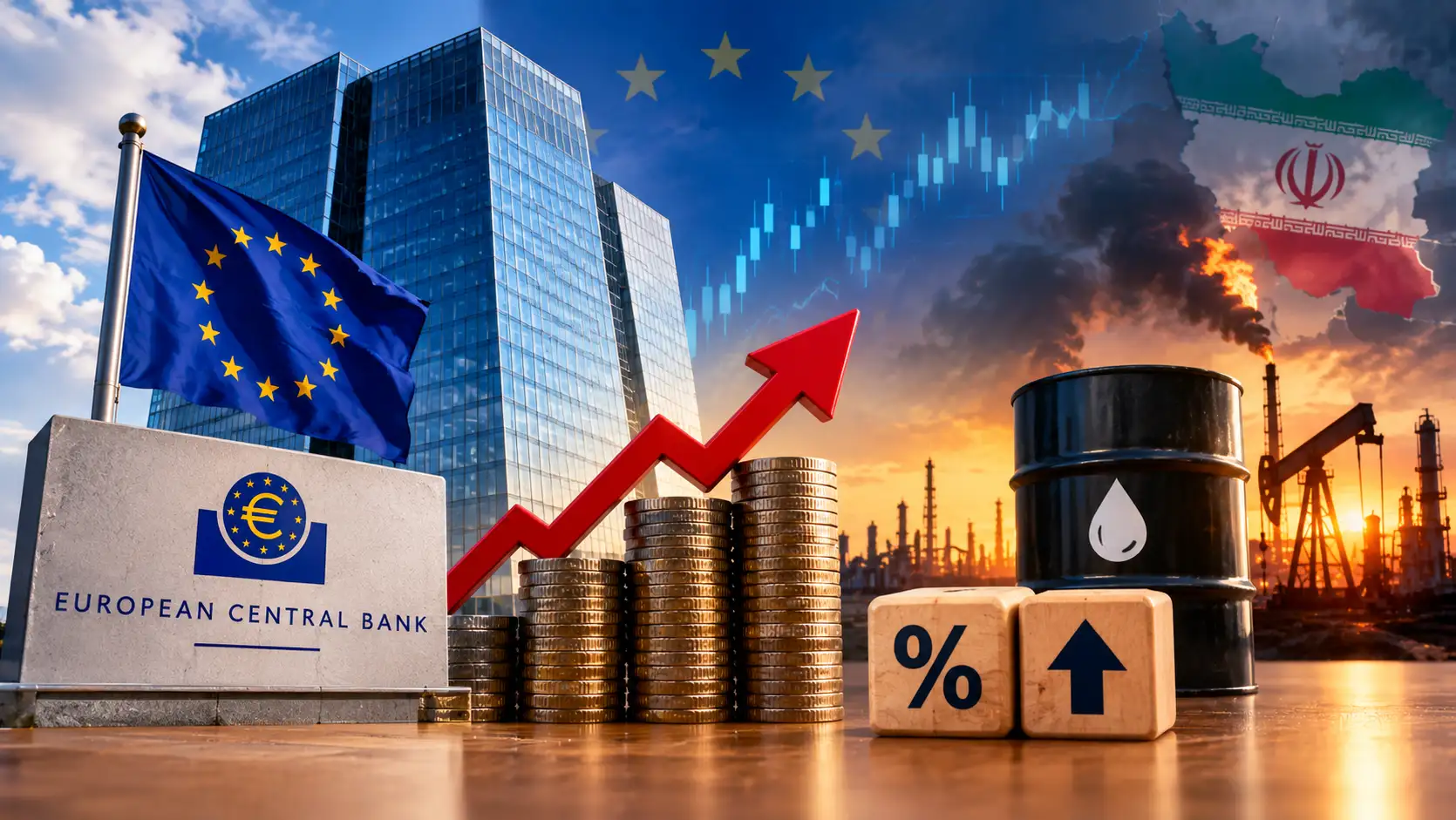
ETMarkets.com Synopsis The European Central Bank is widely expected to raise interest rates to 2.50% on Thursday as soaring energy prices amid the Iran war fuel fresh inflation concerns.
With inflation above its 2% target and the euro zone economy proving resilient, markets are pricing in further ECB rate hikes.
By Anupam Nagar, ETMarkets.com Sep 10, 2026, 01:55:00 PM IST Follow us The European Central Bank is widely expected to raise interest rates for the second time this year on Thursday as it seeks to contain a fresh inflationary shock triggered by soaring energy prices amid the Iran war, Reuters reported.ADVERTISEMENT Escalating attacks since the end of August have ended a period of relative calm, with the United States and Iran striking military, shipping and energy infrastructure.
The conflict has pushed oil and gas prices sharply higher, renewing concerns over a broader wave of price increases across the fuel-importing euro zone, Reuters said in a report.Economists expect the ECB to lift its policy rate to 2.50% from 2.25%, while signalling that further tightening could follow if the inflation outlook deteriorates.
Reuters reported that markets are already pricing in another two or three rate increases by the end of next year.
Brent crude touched $100 a barrel on Wednesday, although the latest jump in energy prices is unlikely to be fully reflected in the ECB's new economic projections.Resilient economy offers ECB room to tighten The euro zone economy has shown greater resilience than expected despite higher energy costs, competition from China and the effects of droughts.ADVERTISEMENT Bank lending also accelerated in July, indicating that the ECB's June rate increase had yet to significantly weigh on economic activity.
Aggressive borrowing by large technology companies to finance artificial intelligence investments, along with political uncertainty in Germany, has added to pressure on bond markets, Reuters reported.ECB expected to revise growth outlook The ECB is expected to raise its growth projections for this year and potentially for 2027, reflecting the stronger-than-anticipated performance of the euro zone economy.ADVERTISEMENT At the same time, policymakers could push back their forecast for inflation to return to the 2% target.
Inflation is currently above 3%, while the ECB had previously expected price growth to return to target by next summer.Economists cited by Reuters have warned that higher fuel costs, trade tensions and weather-related disruptions could generate another inflationary wave.
That could increase the likelihood of further ECB rate hikes in October and December.ADVERTISEMENT Inflation pressures remain a concern Several of the ECB's closely watched indicators have so far remained relatively contained.
Core inflation, which excludes volatile energy and food prices, eased to 2.4% last month, while consumer inflation expectations declined and wage growth moderated.However, analysts at Barclays have warned that underlying inflation pressures may be strengthening.
Core goods prices have gained momentum, while producer prices are increasing considerably faster than consumer prices, potentially creating a stronger base for inflation in the coming quarters.Companies, particularly in Germany, have so far absorbed much of the increase in costs rather than passing them directly on to consumers, according to ING's assessment reported by Reuters.
That contrasts with the situation in 2022, when the energy shock following Russia's invasion of Ukraine triggered a much broader surge in inflation.Lagarde's future could draw attention ECB President Christine Lagarde is also likely to face questions about her future at the central bank during her post-decision press conference.Her current term runs until October 31, 2027, but she has repeatedly been linked with a potential leadership role at the World Economic Forum.