Talks are aimed at reopening strait of Hormuz and lifting sanctions on Iran, and for Houthis to withdraw in Yemen
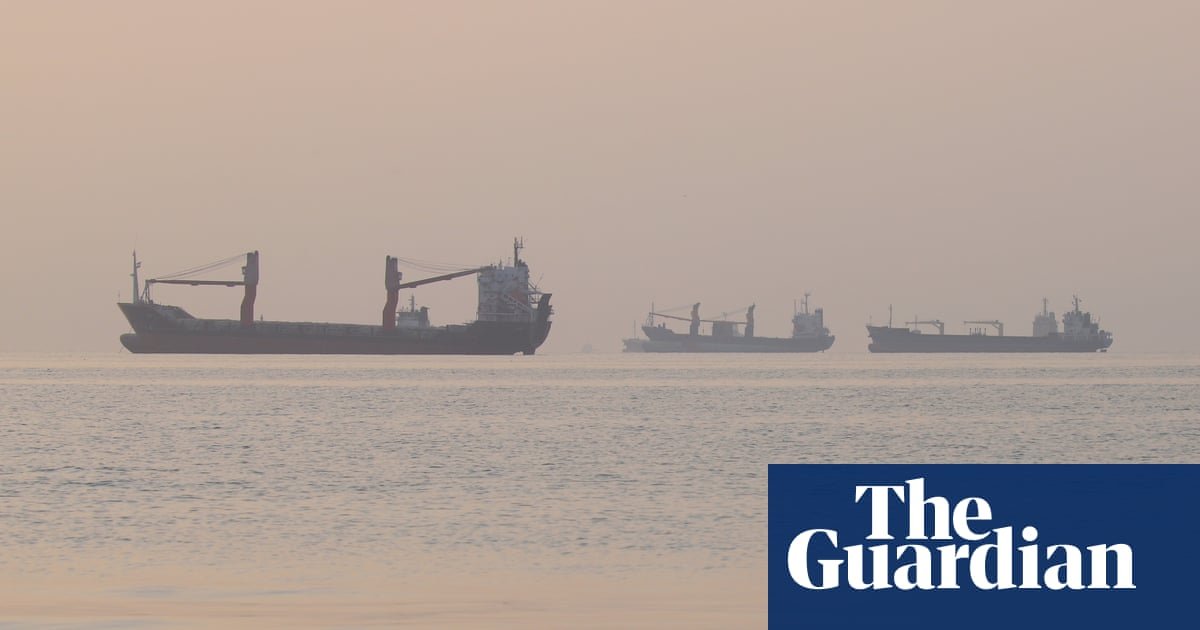
A multipronged peace deal to reopen the strait of Hormuz within four days of sanctions being lifted and for the Houthis to withdraw substantial forces inside Yemen are at the heart of Gulf states’ plans to avert what they regard as a disastrous renewal of war between Iran and the US.
The US is aware of the talks’ progress but is holding out for a concession that European powers suggest could involve Iran allowing UN weapons inspectors back into the country.
The British foreign secretary, Ed Miliband, urged the Iranians to agree to readmit the UN weapons inspectors when he met the Iranian foreign minister, Abbas Araghchi, in New York but so far Iran has refused, saying it will only hold talks in principle on its nuclear programme.
European diplomats believe allowing weapons inspectors to reenter Iran and visit its bombed nuclear sites is a minimum requirement for a breakthrough with the US president, Donald Trump.
But Iran remains focused solely on the guarantees of sanctions relief it would receive in return for reopening the strait of Hormuz. Dr Ali Bagheri, the deputy secretary of Iran’s national security council, said Iran was willing to reduce its proposal that the strait reopen seven days after economic sanctions are lifted to four days.
In a further sign of flexibility, Iran is starting to acknowledge it has a mediating role in the parallel conflict in Yemen. Iran’s secretary of the supreme national security council, Mohsen Rezaei, met the Houthi’s ambassador to Iran, Ibrahim al-Dulaimi, on Tuesday.
The meeting took place 24 hours after a high-level delegation from Saudi Arabia, Turkey and Pakistan travelled to Tehran to discuss Saudi terms for ending the Yemen conflict as well as a longer-term security architecture for the region.
Iran backs the Houthis, and has the power to influence them, including devising proposals that stop short of a Houthi military victory that many say is unobtainable. In return the Houthis are demanding that Saudi Arabia lift what it regards as a naval and air blockade on Houthi-held territory.
Iran successfully prevented discussion of its nuclear programme at the meeting with Turkey, Saudi Arabia and Pakistan, and instead ensured the focus was a broader discussion about a long-term regional security vision that would include the Gulf states and Iran and see the US presence in the Middle East reduced or ended.
A new non-aggression pact in which Iran is no longer ostracised by the rest of the Gulf, as it has been since the 1979 Islamic Revolution, would meet Iran’s highest strategic goal.
An agreed commitment to this goal by six Gulf states might also make it easier for Iran to swallow potentially difficult tactical concessions that it would be required to make concerning its nuclear programme.
One of the key advocates of the inclusive security plan, Oman’s foreign minister, Badr Albusaidi, said he believed the US administration understood this was the direction the region is heading.
He said: “I think if Iran is fully re-engaged in this idea of having all of us, eight countries at peace with the rest of the world, the economic potential is going to be enormous for all of us in the region and those outside the region who choose to take part in this development. We have really discussed this in at length during the talks between Iran and the United States, and I think there is general acceptance that this will be the direction of travel once we have a deal in place at the end of the day.”
At a televised event in Iran this week Araghchi underlined the importance of a new postwar security pact to Iran, saying: “Recently, there has been talk of a new war but I am already thinking about the postwar period. Whether there is war or not, our policies remain the same.”
Middle East and north Africa