HomeNext How a Hormuz row pushed Iran and US closer to war, why Trump waited for FIFA WC to end: Dangerous new phase, decoded Here's what triggered the escalation and what it means for the Gulf and India; and why Trump waited for the conclusion of the football World Cup Updated on: Jul 20, 2026, 17:42:06 IST By Shishir Gupta Prefer HTon Google Share via Copy link The Iran–US confrontation in the Gulf has entered a dangerous new phase, with a fragile ceasefire collapsing into a calibrated but steadily intensifying shadow war across West Asia.
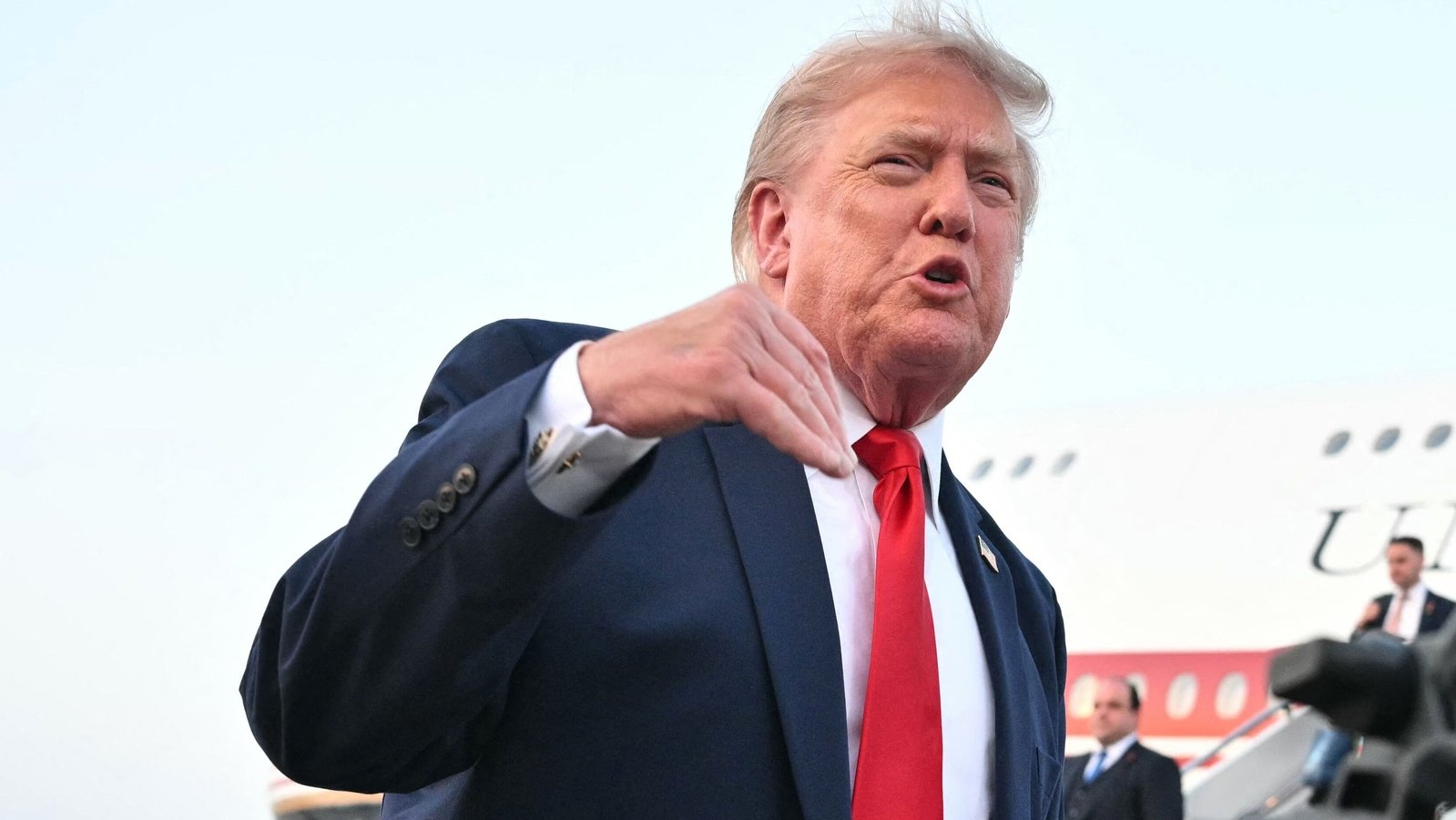
Trump and US-Iran deadlock What began as a dispute over shipping lanes in the Strait of Hormuz has now escalated into direct attacks on American bases, strikes on critical infrastructure across the Gulf and a mounting sense of unease in regional capitals from Doha to Muscat and Kuwait City.
From MOU to missiles In the most recent episode of Point Blank, Executive Editor Shishir Gupta traces the current spiral back to a digital memorandum of understanding between Iran and the United States, centered on freedom of navigation in the Strait of Hormuz.
A key line referring to “Iranian arrangements” in the MoU became the flashpoint, with Tehran reading it as implicit recognition of its control over the strategic chokepoint, while Washington viewed it narrowly as a technical provision on safe passage.
As commercial traffic adjusted, shipping companies began to prefer the southern corridor hugging the Omani coastline over the northern channel that runs closer to Iranian waters.
When ships used the northern route, Gupta notes, they were “discreetly” paying tolls to Iran; once they shifted south, Tehran saw both a loss of leverage and revenue - and responded by targeting vessels on the southern corridor, including ships with Indian crew, some of whom were killed.
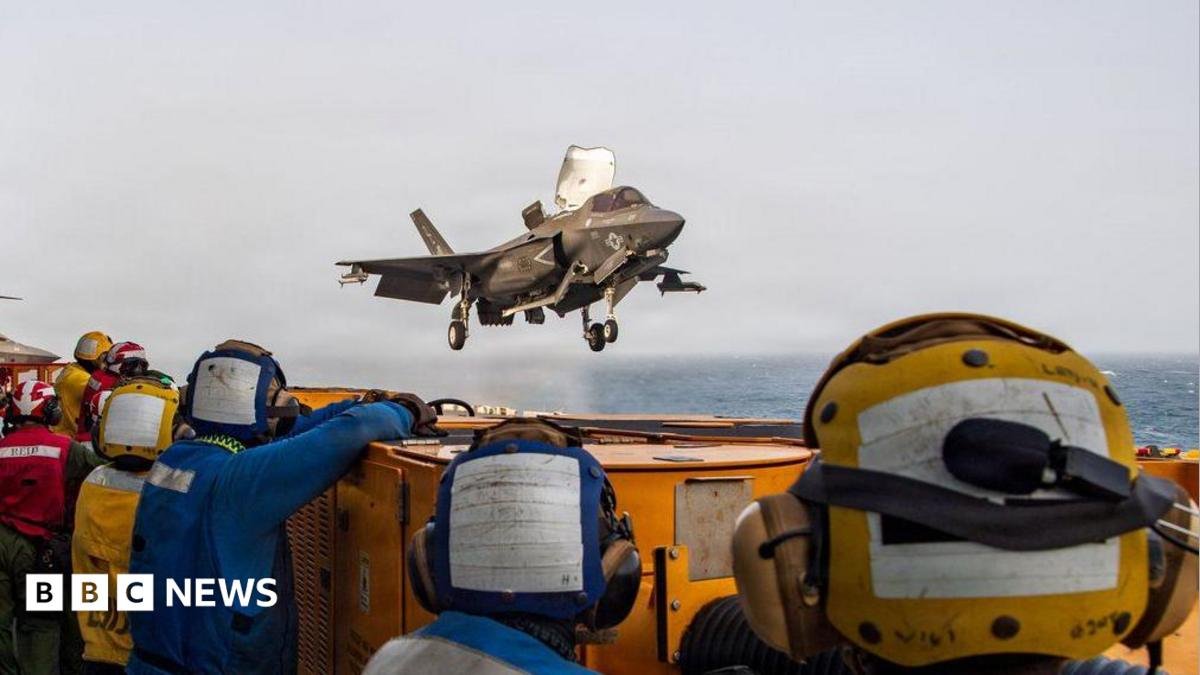
Ceasefire Collapse and American Retaliation The Iranian attacks on southern-route shipping triggered a US response, with Washington reinforcing its maritime blockade and hardening its posture in the Gulf.
According to Gupta, this escalation led President Donald Trump to formally call off the ceasefire around 8 July, ending a tenuous pause in direct hostilities.
What followed was a tit-for-tat pattern that has now become entrenched.
Iran began hitting American military facilities in Gulf Cooperation Council states—particularly bases in Kuwait, Bahrain and Qatar, and, on occasion, in the UAE and Saudi Arabia, including the King Faisal Air Base.
In parallel, the US opened a sustained air campaign along Iran’s southern coast, from Chabahar to Bandar Abbas, striking bridges and logistical nodes to disrupt the movement of missiles, and reportedly aiming at new nuclear facilities under construction.
Notably, Gupta stresses that Washington has stopped short of hitting Iranian power plants, refineries or other core energy infrastructure - an indication that the US is trying to keep the confrontation below an all-out strategic war.
Jordan Base Attack and Rising US Casualties The latest flashpoint has been the Muwaffaq Salti Air Base in Jordan, where an Iranian ballistic missile strike killed two US servicemen, with the remains of a third recovered later.
Almost simultaneously, another American soldier was killed in Iraq while attempting the controlled detonation of an Iranian drone, taking recent fatalities to four and the total US military death toll since the start of this phase of the war to 18.
Gupta underlines a critical asymmetry: as an authoritarian state, Iran does not feel compelled to disclose its own casualty figures, whereas the US, like India, must publicly account for each soldier killed or wounded.
This transparency, he argues, creates domestic political pressure in Washington and leaves the US leadership with “no option but to retaliate,” feeding a cycle in which each loss of life almost automatically produces another round of strikes.
An Escalatory Ladder, Not Yet a Full War Both Washington and Tehran are, in Gupta’s reading, climbing what he calls an “escalatory ladder” — pushing harder, but in a deliberately controlled fashion.
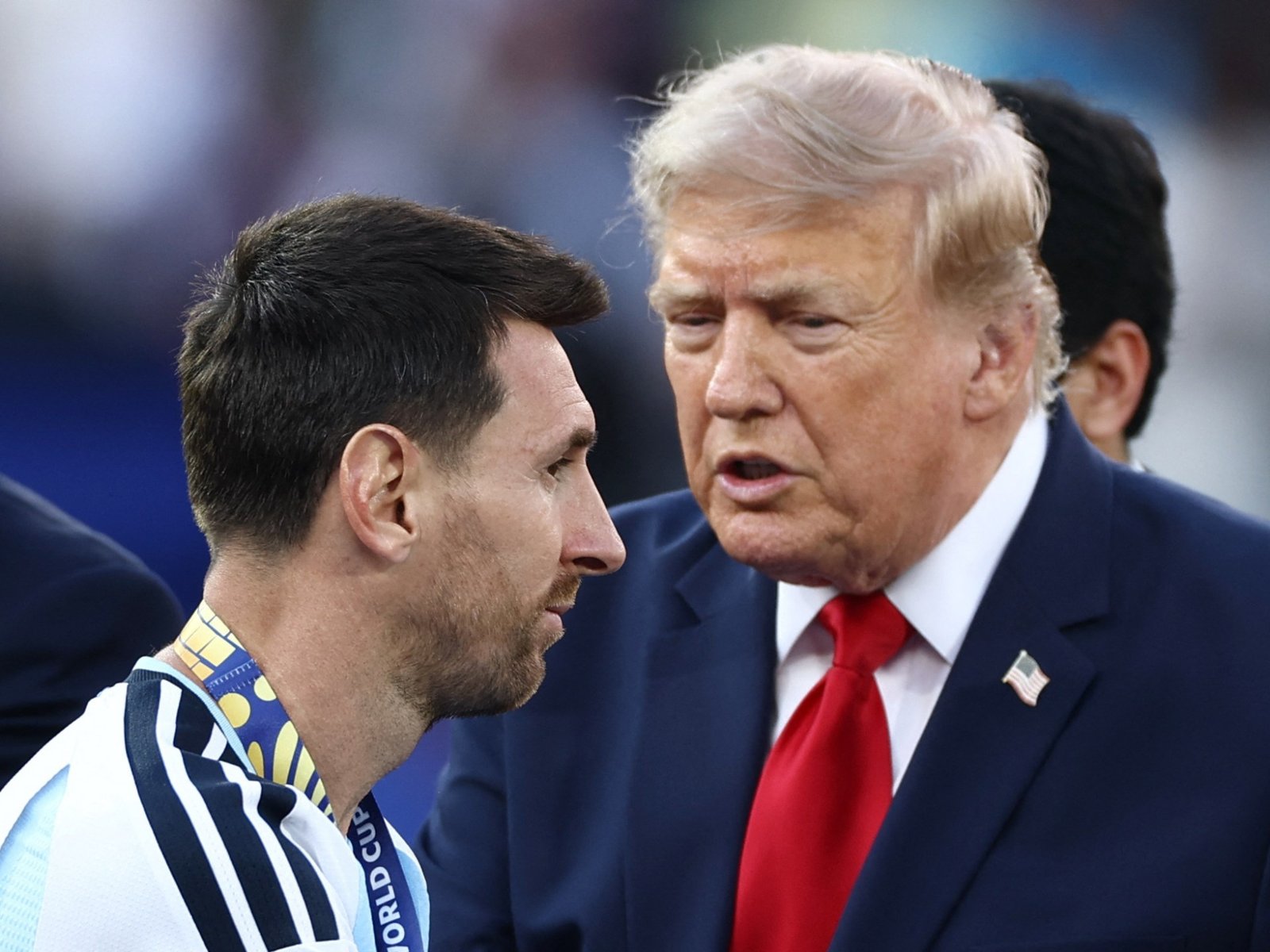
He suggests that Trump had waited for the conclusion of the football World Cup before authorizing more aggressive operations, to avoid global disruption during the tournament; with that constraint gone, larger and more intense strikes have begun, pointing to a calculated vertical escalation.
Iran’s approach mirrors this logic.
Its leadership, he says, is choosing targets in countries that find it difficult to respond independently - hence the focus on facilities in Kuwait, Bahrain, Qatar and Jordan, rather than directly provoking major powers or heavily armed regional actors that could inflict serious damage in return.
The Iranian strike on a desalination plant in Kuwait, attacks on oil depots and the Jordan base attack all fit this pattern of calibrated pressure, designed to show resolve without crossing lines that would trigger overwhelming retaliation.
Domestic Politics and the Negotiation Trap On paper, negotiations remain an option; in practice, Gupta argues, both sides are trapped by their domestic politics.
Trump is moving toward midterm elections in November and must convince American voters that he is not backing down in the face of Iranian attacks, especially when US fatalities are mounting and publicly documented.
Conversely, the Iranian leadership has to reassure radicalized segments of society and the clerical establishment that it is not yielding to US pressure.
This creates a mirror-image dilemma: each side is talking past the other and primarily performing for its own base.
Gupta likens Washington’s position to “riding a tiger” - the US cannot dismount without looking weak, yet continued bombing invites further Iranian retaliation and the risk of miscalculation.
In his view, unless Iran either backs down or undergoes some internal change, the default trajectory is more skirmishes, more strikes and a steady climb up the escalatory curve.
India’s Diplomatic Tightrope in the Gulf Against this backdrop, External Affairs Minister S.
Jaishankar’s recent week-long visit to Qatar, Bahrain, Oman and Kuwait reflects India’s attempt to manage both security and energy risks.
Gupta notes that these countries, all within range of Iranian missiles and already feeling the spillover of the war, host a significant Indian diaspora and are under pressure to reassure expatriate communities that they remain safe.
For New Delhi, the message was twofold: to stand with its citizens and partners in the Gulf, and to read the room on how long this conflict might last.
The assessment that emerged, Gupta says, is bleak: this war is unlikely to end soon and will oscillate between low- and high-intensity phases, with oil prices hovering around 80–85 dollars per barrel as long as periodic skirmishes continue to threaten supply lines.
The Houthi “Option” and Energy Shock Risks One of the Gulf’s biggest worries is that Iran has yet to fully activate the Houthi card in the Red Sea.
So far, Tehran has confined maritime harassment largely to the Hormuz region, but its allied Houthi militia control the Bab al-Mandab strait, another critical chokepoint for global shipping and oil exports.
If Iran were to encourage the Houthis to begin targeting commercial vessels there, the combined effect of Iranian pressure in Hormuz and Houthi attacks in Bab al-Mandab could severely disrupt global energy flows.
Gupta warns that this scenario would not only push oil prices sharply higher but could also make it physically difficult for some Gulf producers to export, amplifying both energy and economic shocks worldwide.
Divided Gulf, Uneasy Umbrellas The Gulf states themselves are far from united, with each trying to navigate the crisis in its own way, often by hedging between rival patrons.
Gupta observes that some are effectively paying “protection money” to Iran, others are leaning harder on US security guarantees, and still others are exploring closer ties with China as an additional insurance policy.
Qatar and Oman, once seen as mediators, now find themselves under fire precisely because they are perceived to lie under the US security umbrella.
Iran, he says, has no qualms about attacking fellow Muslim states despite rhetoric about the wider Ummah, and has been pursuing its own agenda for over four decades with little regard for pan-Islamic sentiment.
In this fragmented environment, survival instincts dominate, and no coherent Gulf-wide strategy has emerged.
Why Israel Is Holding Back A notable feature of this phase of the conflict is Israel’s relative silence.
Gupta explains that Israel is currently focused squarely on Hezbollah and has not yet been directly targeted by Iranian ballistic missiles in this round of hostilities.
Iran, for its part, appears to be deliberately avoiding Israeli targets to prevent opening another front that would invite a fierce response.
Should Iran strike Israel directly, Jerusalem would almost certainly respond with operations designed to further degrade both Hezbollah and Iranian military capabilities, including deep strikes beyond the Litani River to push Hezbollah back and create a more reliable security buffer.
For now, Israel is effectively waiting for an opportunity - or a provocation - that would justify a more decisive blow against Iran and its Lebanese ally.
UAE, Saudi Arabia and Calibrated Restraint An intriguing question raised in the discussion is why Iran’s Revolutionary Guard Corps has so far hit Jordan, Bahrain, Kuwait and Qatar harder than the UAE and Saudi Arabia.
Gupta offers two explanations circulating in strategic circles.
One suggests that the UAE may have reached some form of understanding with Tehran - possibly involving quiet payments or concessions - to reduce the likelihood of being targeted, though he emphasizes this remains only a “view.” The second, and in his view more plausible, explanation is that Iran recognizes the risks of attacking states that enjoy not only US backing but also close security ties with Israel.
Any major strike on the UAE could provoke a strong tri-lateral response.
In Saudi Arabia’s case, Pakistan - under Field Marshal Asim Munir - has reportedly signaled to Iran that a serious attack on the Kingdom would compel Islamabad to act under its defense arrangements with Riyadh.
As a result, while both UAE and Saudi Arabia have faced limited attacks, Iran has so far kept those at a lower level, reinforcing the picture of a carefully managed, albeit perilous, escalation.
A War One Accident Away from Explosion Throughout the conversation, Gupta returns to a central warning: calibrated escalation is inherently unstable.
Each side is trying to signal resolve without crossing red lines, but in a dense battlespace of missiles, drones and overlapping alliances, a single miscalculation or accident could unleash “all hell,” triggering a chain reaction that nobody is prepared to manage.
With the US on the offensive for nine consecutive days, Iran probing vulnerabilities across the Gulf, and global energy markets already on edge, the region is only one serious incident away from a far wider conflagration.
For now, the Iran - US conflict remains a constrained war fought on an escalatory ladder - but every rung climbed narrows the space for de-escalation and increases the odds that the ladder itself will collapse.
ABOUT THE AUTHOR Shishir Gupta Author of Indian Mujahideen: The Enemy Within (2011, Hachette) and Himalayan Face-off: Chinese Assertion and Indian Riposte (2014, Hachette).