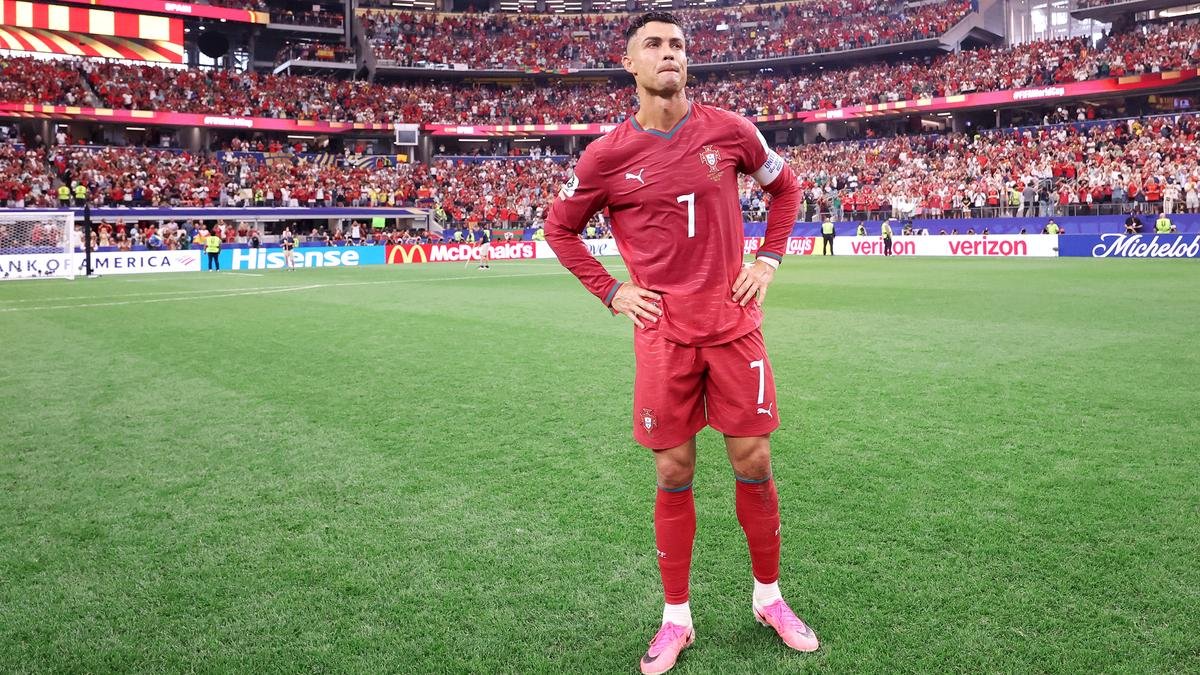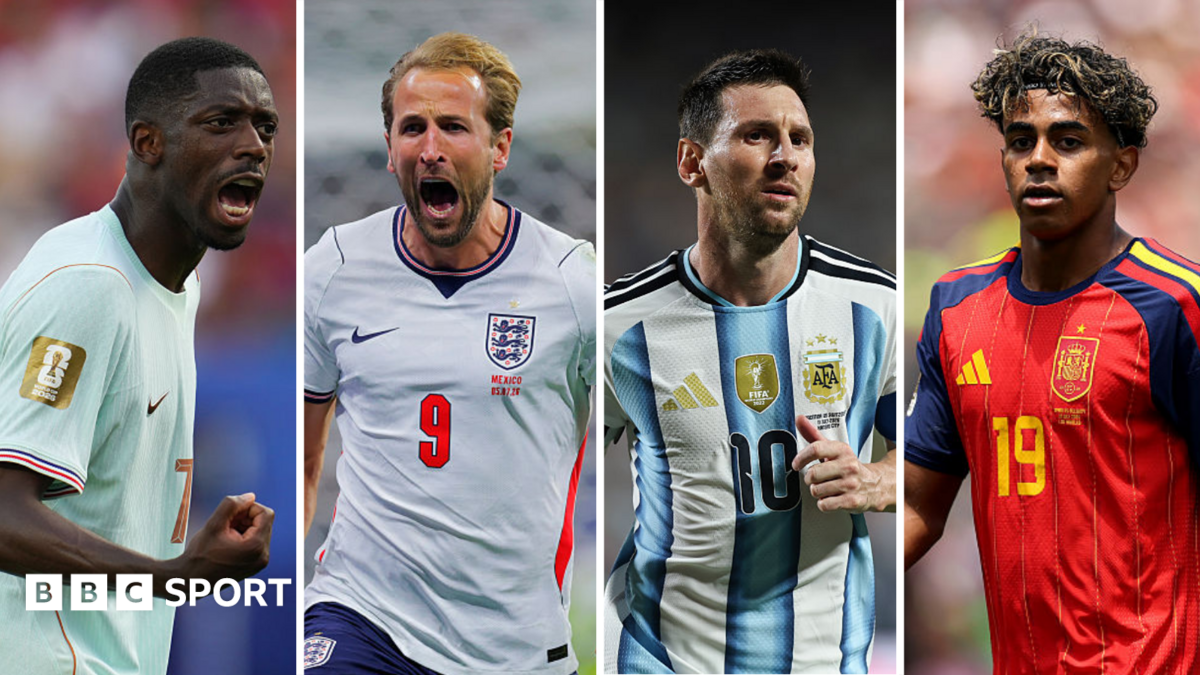
With just a few hours left for the kick off of the FIFA semi-finals, the four teams who are going to fight it out — France, Spain, Argentina and England — have all justified their billing as the top four teams in both the Elo ratings and FIFA rankings before the tournament commenced.
Their rankings have not changed since the tournament began, but the route they have taken to reach where they are now has been markedly different, with the differences in their strengths becoming even thinner.
FIFA World Cup 2026: Contrasting clashes in store as top four seek a spot in the final France’s leap in Elo ratings The Elo system, similar to the method used in chess, rates teams by looking at their relative performance against other teams.
It is useful as a standardised rating and a better tool for analysis than the FIFA rankings.
All the four teams have retained their Elo rankings they held prior to the tournament.
Spain at the top spot, followed by Argentina, then France and England at the fourth spot.
Though Spain retained its top position and improved its Elo rating to 2,190, by adding 33 points to pre-tournament score of 2,157, it is Les Bleus that have produced the strongest results against quality opposition.
They saw their Elo rating jumping by 100 points from 2,063 before the tournament to 2,163 at the moment.
England saw the second highest increase with their Elo rating improving by 73 points from 2024 to 2094.
Argentina retained its second rank by taking its rating up by 62 points 2115 to 2177.
Goals conceded and Spain’s benchmark France have been the tournament’s most prolific side after Argentina.
Didier Deschamps’ side have scored 16 goals while conceding just two, giving them the best average goal difference among the semifinalists at 2.33 goals per game.
Argentina found the net most often with 17 goals, but have also conceded six.
Spain remains the tournament’s defensive benchmark, allowing only one goal across six matches, although their attack has been comparatively restrained with 11 goals.
England have progressed with 13 goals but by conceding six goals possess the lowest average goal difference of 1.17 among the four teams. xG and a hairsbreadth difference Elo ratings and actual number of goals are useful in ranking the semifinalists by their relative strengths and outcomes, it is necessary to look at how well a team has actually played.
This is where analysis based on parameters such as the quality of the chances that a team created or denied and also on how clinically those chances were converted into goals can be more insightful.
The expected goals or xG metric helps exactly in this aspect.
It assigns every scoring chance a value between 0 and 1 — the probability that a shot from that particular position and situation would, on average be converted to a goal — weighing other factors such as where the shot was taken, the type of pass or move that created it and the defensive pressure exerted by the defender on the shot-taker.
Over a match, a team’s xG is the sum of the number of goals that these chances merited.
The difference between this figure and the actual number of goals is a good way to gauge the quality of finishing of each team.
A look at this metric reveals how the four semifinalists came through four contrasting paths.
However, among the four, France and Spain have been a cut above the rest in terms of their “expected Goals” scored and conceded.
The net goal difference for the two teams is +1.7 and +1.69, with France ahead by a hair.
Interestingly, Spain’s difference in average goals and the xG is just 0.02, indicating the efficiency of their play.
It is no wonder that analysts term the first semi-final kick starting on Wednesday 12:30 am IST (July 15, 2026) between the two as the “actual final”.
Meanwhile England’s xG difference of just 0.84 makes it the underdog against defending champions Argentina (+1.57). xG and Bellingham’s performance In terms of expected goals for individuals, Mbappe leads all players with an xG of 5.4, narrowly ahead of Messi’s 5.3.
Both have outperformed their xG figures by converting eight goals each.
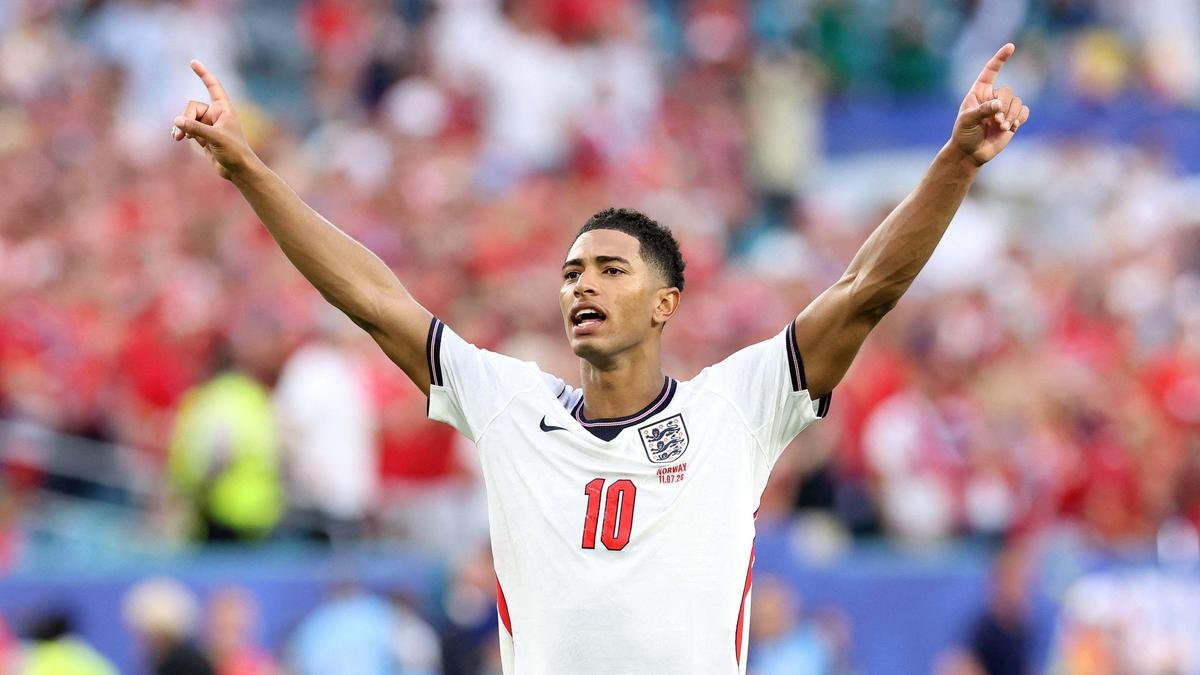
Bellingham has been England’s biggest overperformer, turning chances worth just 2.6 xG into six goals.
Dembele has also significantly exceeded expectations, scoring five times from chances worth only 1.5 xG.
On the other hand, France’s Michael Olise has generated 2.1 xG without finding the net, making him one of the tournament’s unluckiest attackers despite his broader creative influence.
Messi leads in chances created Playmaking is as crucial as goal-scoring in football.
Here, Messi continues to dominate.
The Argentine has created a tournament-high 21 chances, ahead of Mbappe (16) and Dembele (15).
As a team, France dominates this category, with four players — Mbappe, Dembele, Olise and Desire Doue — featuring prominently among the tournament’s leading creators.
Spain’s creativity has been spread across midfield, with Alex Baena, Pedri, Pedro Porro and Rodri all contributing heavily rather than relying on a single playmaker.
Michael Olise leads the tournament with five assists, while Mbappe has added three more.
Messi, despite leading chance creation, has two assists, while Marc Cucurella has emerged as Spain’s most productive creator with two.
Stylistically, the semifinalists are equally distinct.
Spain continued to dominate possession, averaging 66.2% and the highest among the four teams and second only to Turkiye across the entire tournament.
Argentina (60.3%), France (58.7%) and England (57.2%) also rank among the competition’s strongest sides in terms of possession.
Yamal’s dribbles Among the semifinalists, in one-versus-one situations, Spain’s teenage sensation Lamine Yamal has been unmatched with the most number of dribbles, averaging 4.7 successful dribbles every 90 minutes.
France’s Bradley Barcola and the elegant Olise also feature near the top, while Messi remains Argentina’s primary ball carrier.
England’s threat comes from Anthony Gordon, Bellingham and Bukayo Saka, though none match Yamal’s volume.
In tackles, French midfielder Aurelien Tchouameni leads the semifinalists in tackles per 90 minutes, while England’s Djed Spence and Bukayo Saka also rank highly.
In recovering possession, England’s Elliot Anderson leads all semifinalists, with Tchouameni and Spain’s Pedri close behind, highlighting the importance of midfield pressing in the latter stages of the tournament.
The data for the charts were sourced from FIFA, FotMob, RealGM and Fbref