Burnham promised a more open approach to managing Labour, with greater consultation and less reliance on party discipline to suppress debate.
Illustration: Guardian Design/Getty Burnham promised a more open approach to managing Labour, with greater consultation and less reliance on party discipline to suppress debate.
Illustration: Guardian Design/Getty How has Andy Burnham used his first 100 days in power?
From ‘everyday fixes’, party management and communications to long-term plans for care and pensions, the PM’s six key acts so far UK politics live – latest updates Andy Burnham arrived in Downing Street promising to transform the way Britain works, restore hope and bring an end to years of political division.
One hundred days later, the prime minister has announced a series of measures aimed at making everyday life easier, he’s reopened the debate over Britain’s relationship with the EU and set out plans to overhaul public services.
He has also managed to maintain an unusually visible public profile, appearing regularly on social media and even taking part in a charity edition of Channel 4’s Gogglebox.
Burnham has said he’s been surprised by the public’s appetite for change, insisting his first budget on Wednesday would offer some breathing space for households and businesses.
But the early weeks of his premiership have also exposed tensions between immediate political wins and the structural changes he has promised.
Here is how his first 100 days have unfolded in six key ways.
Quick policy wins Burnham made a series of what Downing Street calls “everyday fixes” central to his premiership, targeting everything from electricity bills and bus fares to misleading discounts, subscription traps and antisocial behaviour on public transport.
One of his first announcements, the removal of VAT from domestic electricity bills across Britain, took effect on 1 October.
The government estimates an annualised saving of £45 for a typical household, although the temporary measure is funded only until March.
Other announcements have yet to take effect.
A £2 cap on participating bus services in England outside London and new rules making subscriptions easier to cancel are due to start in January.
The bus measure also involves trade-offs.
It is partly funded by switching international climate finance from grants to loans, a decision criticised by development charities.
The strategy is intended to demonstrate that the government understands ordinary frustrations and can respond quickly.
Yet questions remain about whether a collection of relatively modest interventions can significantly improve living standards.
The VAT cut on electricity bills is not likely to help struggling households, who are more likely to be reliant on gas than electricity.
Rough sleeping and social care Ending rough sleeping was among Burnham’s earliest commitments, drawing on his experience as the mayor of Greater Manchester.
The government initially allocated £442m to tackle the problem, and announced a further £432m on Sunday, bringing its commitment to £874m over different funding periods.
Burnham speaks on a visit to St Martin‑in‑the‑Fields, a homelessness charity in central London.
But the success of the initiative will depend on whether people can access suitable accommodation and the services needed to help them remain housed.
And it remains unclear how exactly the prime minister hopes to keep people from going back on to the streets and not staying permanently in temporary accommodation.
A big proposal is Burnham’s plan for a national care service in England, which he intends to help finance by reforming the state pension triple lock from 2030.
The government plans to legislate during this parliament, while maintaining the existing guarantee until then.
But the savings from changing pension uprating are uncertain and depend heavily on future economic conditions.
Jonathan Cribb, deputy director of the Institute for Fiscal Studies, welcomed Burnham’s proposed changes of the triple lock but said “it will not be the answer to funding universal social care”.
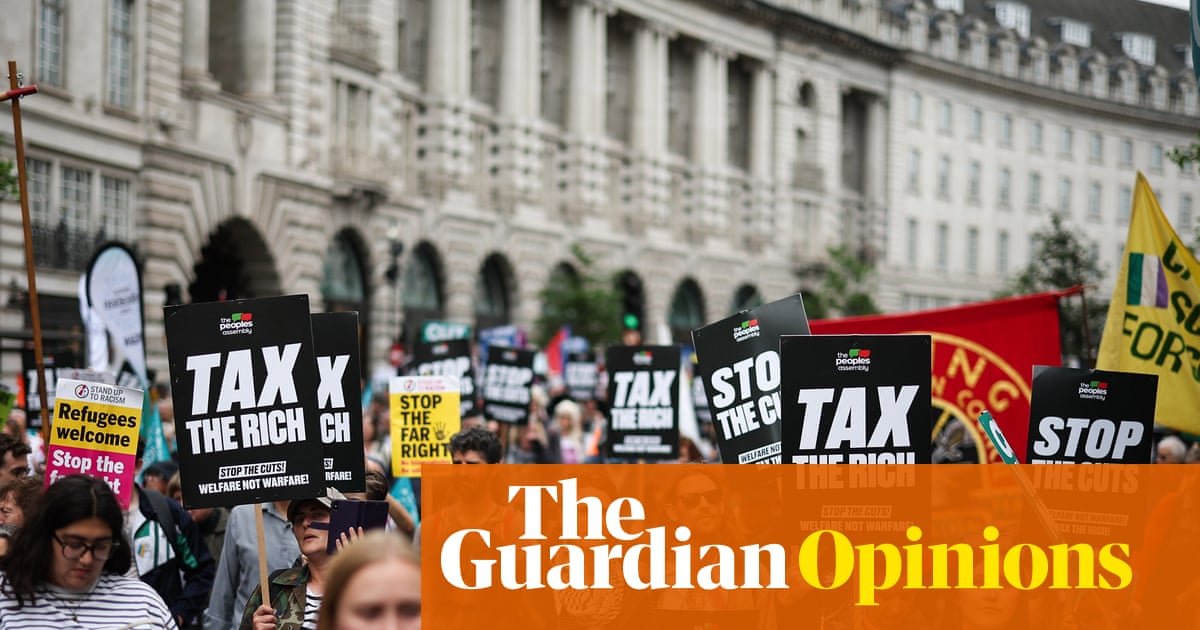
Party management Burnham promised a more open approach to managing Labour, with greater consultation and less reliance on party discipline to suppress debate.
His appointments have included members of the Socialist Campaign Group, bringing MPs from Labour’s left into government roles.
But he has disappointed a lot of soft-left MPs who campaigned for him after the Labour conference in 2025, when he made a number of media appearances attempting to prove he could replace Keir Starmer.
His failure to include many of those from Mainstream, Open Labour and larger soft-left factions has been noted from MPs in the new intake, and those who have been in the parliamentary Labour party for a long time.
Disagreements have emerged, particularly over immigration.
Shabana Mahmood, the home secretary, faces opposition from Labour MPs and some cabinet colleagues over proposals that could require some migrant workers to wait 15 years before securing permanent residence.
Miatta Fahnbulleh, the energy secretary, declined to endorse the specific proposal before being forced to clarify her support for the government’s broader approach.
Burnham backed the principle of earned settlement but stopped short of committing to every detail of Mahmood’s proposals.
A government source believes Burnham has avoided public rows so far because he is “taking his time to get policy right”, but they added, “isn’t it strange that a sitting cabinet minister had to apologise for making a joke … clearly we’re not one big happy family”.
Difficult decisions Beyond the everyday fixes, Burnham has begun confronting choices that divide opinion within his own party.
He has reopened discussion of Britain’s relationship with the EU, arguing that Brexit has damaged economic growth and weakened immigration control.
On Monday, he revealed his personal desire to see Britain rejoin the EU during his lifetime, while ruling out abandoning Labour’s manifesto red lines during this parliament.
Activists from Fossil Free London stage a protest against the Rosebank oilfield and the Jackdaw gasfield outside the Department for Energy Security and Net Zero.
Last week, the government approved the Jackdaw North Sea gasfield, arguing that domestic production would support energy security and employment.
The development is expected to create only 27 new direct jobs and safeguard 273 existing positions.
Environmental groups argue that further fossil fuel production undermines Britain’s climate commitments, while domestic gas does not automatically reduce household bills.
Communication Burnham has drastically changed the way Downing Street presents itself.
The prime minister’s social media updates, which are pretty much daily, his collaborations with public figures including Mo Farah and online creators, and his appearance alongside Steve Rotheram on Gogglebox have taken his message beyond the traditional Westminster audience or those who avidly follow politics.
His approach has attracted substantial online attention and made short, accessible explanations of government announcements a recognisable feature of his premiership.
Andrew Chadwick, professor of political communication at Loughborough University, has described Burnham’s collaborations with influencers as generating a “constructed sense of authenticity”.
But there is a big difference between attracting audiences, of all ages and backgrounds, and explaining policy and persuading voters that measures will actually help them.
What do the public think?
UK poll averages graphLabour has recovered ground in the polls, although the measures of how satisfied the public are seem slightly more complicated.
As soon as Burnham entered No 10, the party’s ratings rose to 23% then reached 26%, overtaking Reform UK on 24%.
After the Labour conference, an Ipsos survey conducted between 15 and 22 October put the party on 32%, eight points ahead of the Conservatives, with Reform UK on 20%.
But 66% of those surveyed expressed dissatisfaction with the government’s performance, against 23% who were satisfied.
Meanwhile, YouGov polling conducted earlier this month revealed 46% viewed Burnham favourably and 42% unfavourably.
His net favourability rating had fallen from 13 points in August to four points.
Despite this, Opinium pollsters declared: “Burnham remains the only party leader with a positive net approval rating and holds a commanding lead over both Kemi Badenoch and Nigel Farage on who would make the better prime minister.” Explore more on these topicsAndy Burnham Labour Social care Pensions Budget UK cost of living crisis State pensions features Share Reuse this content