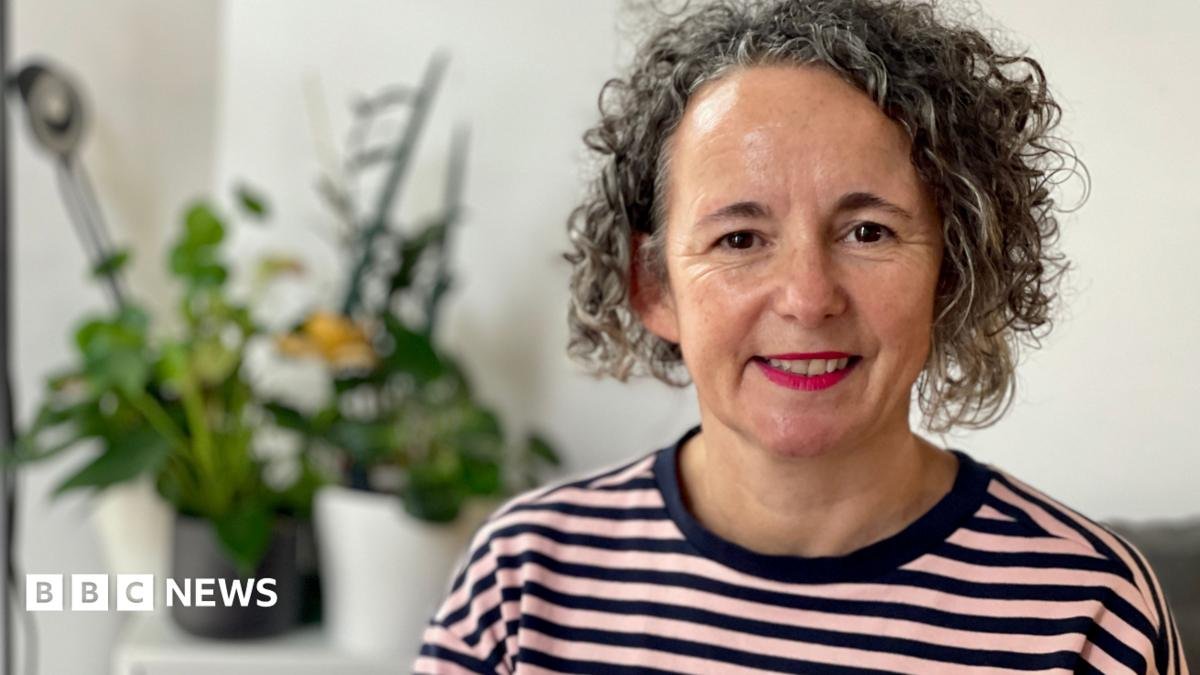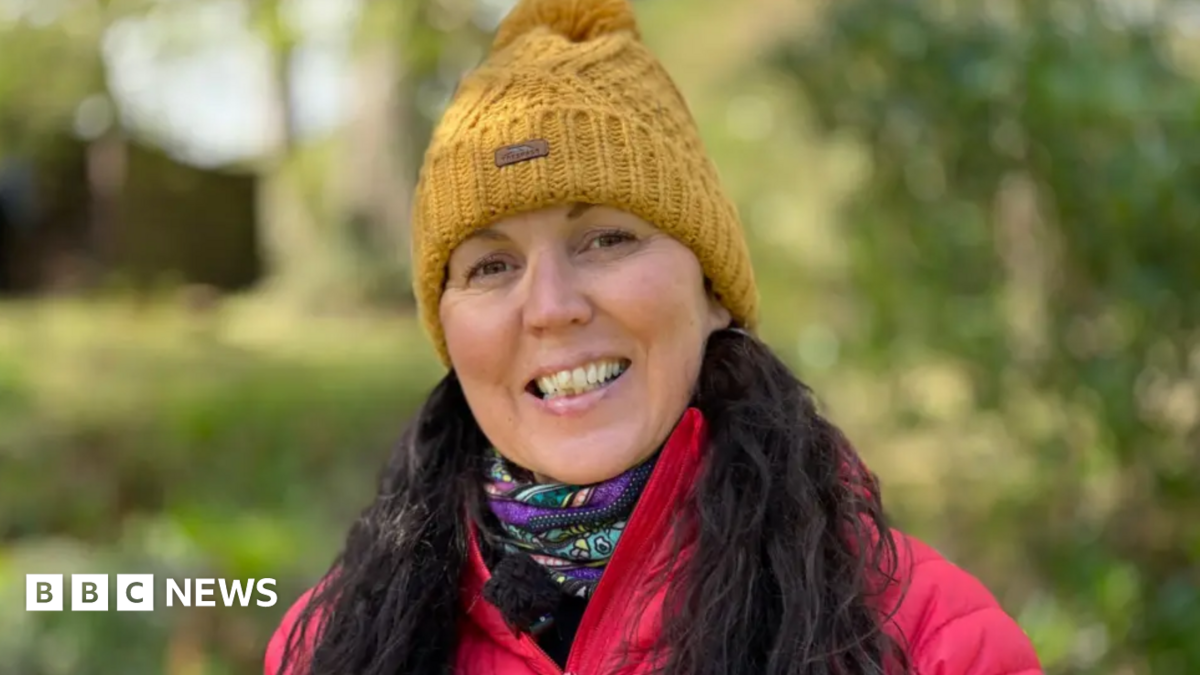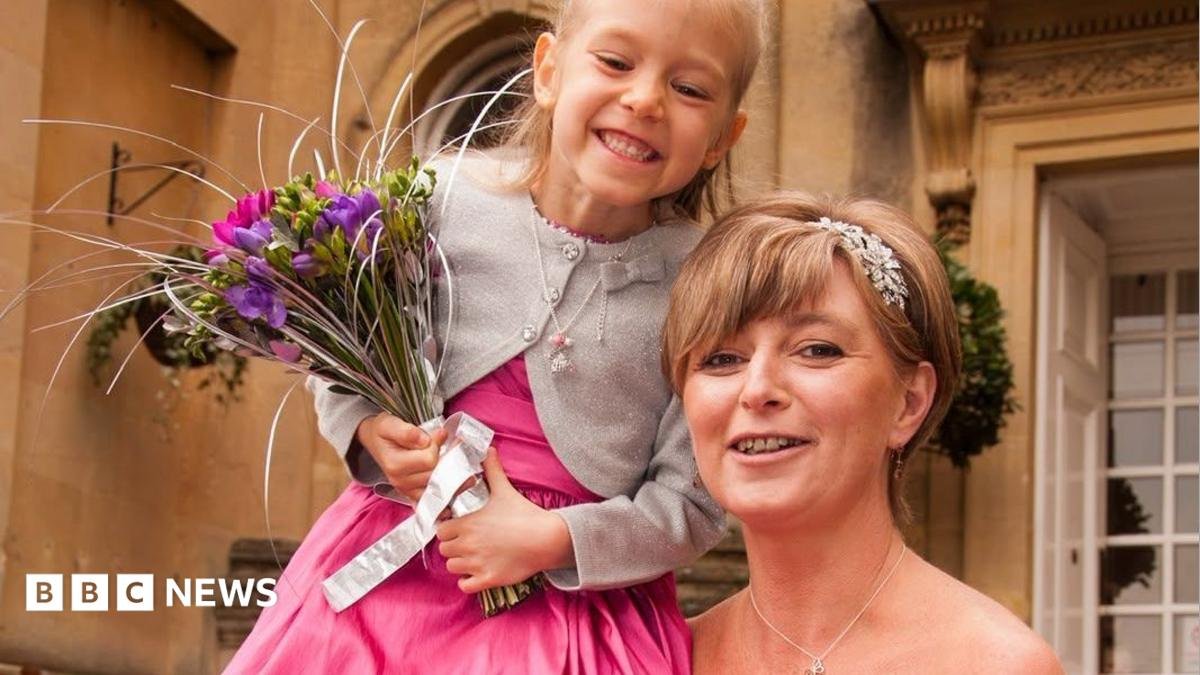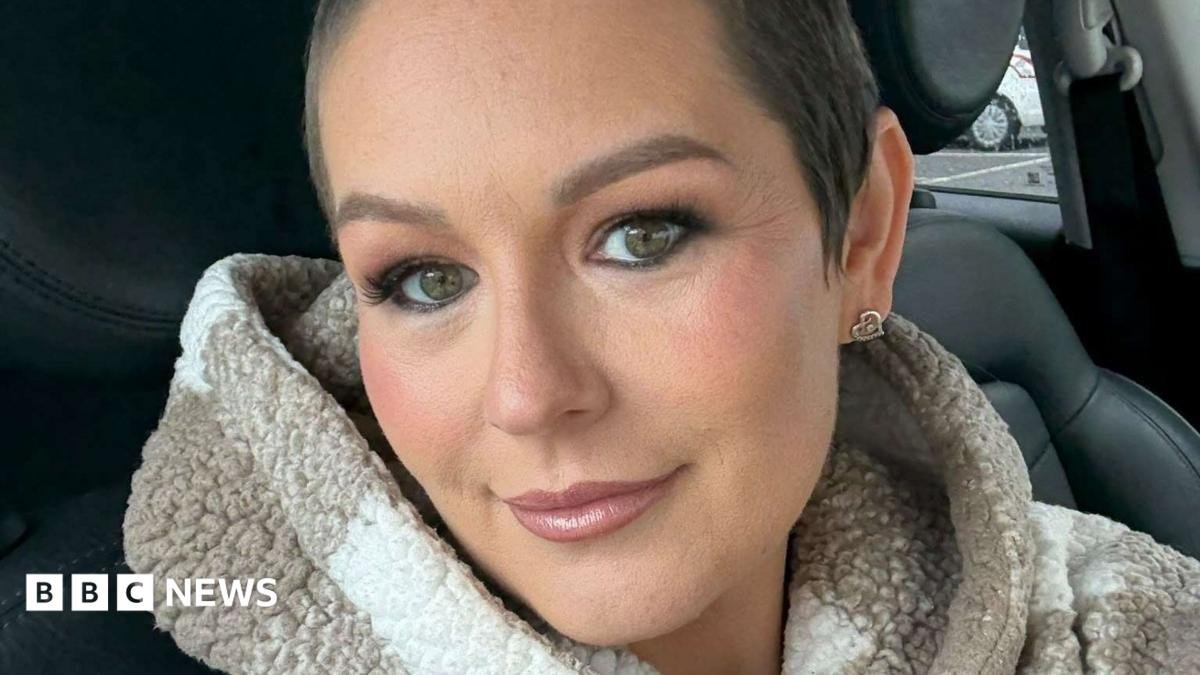
Image source, Beth Jenkins Image caption, After being told she was too young to have breast cancer and that her concerns could be related to anxiety, Beth pushed for further investigations ByAngharad ThomasBBC Wales Published 4 minutes ago A woman who said she was told by a GP she may be experiencing "medical anxiety" after finding a lump in her breast was later diagnosed with cancer.
Beth Jenkins, 42, visited a locum GP at her practice with concerns that a lump on her right breast had grown significantly and said she was told she was "too young to have breast cancer" and it may be linked to postnatal depression instead.
However, it was lobular breast cancer, external, with a 5cm (2in) tumour and the disease had spread to three lymph nodes.
Practice 1 Keir Hardie Health Park said it could not discuss individual cases but encouraged patients to "make a second appointment" if they had concerns about their health or care.
The mum-of-two, from Merthyr Tydfil, first noticed a "small pea-sized" lump in her breast in 2018, but, after an ultrasound, she was told it was likely glandular tissue and no biopsy was carried out.
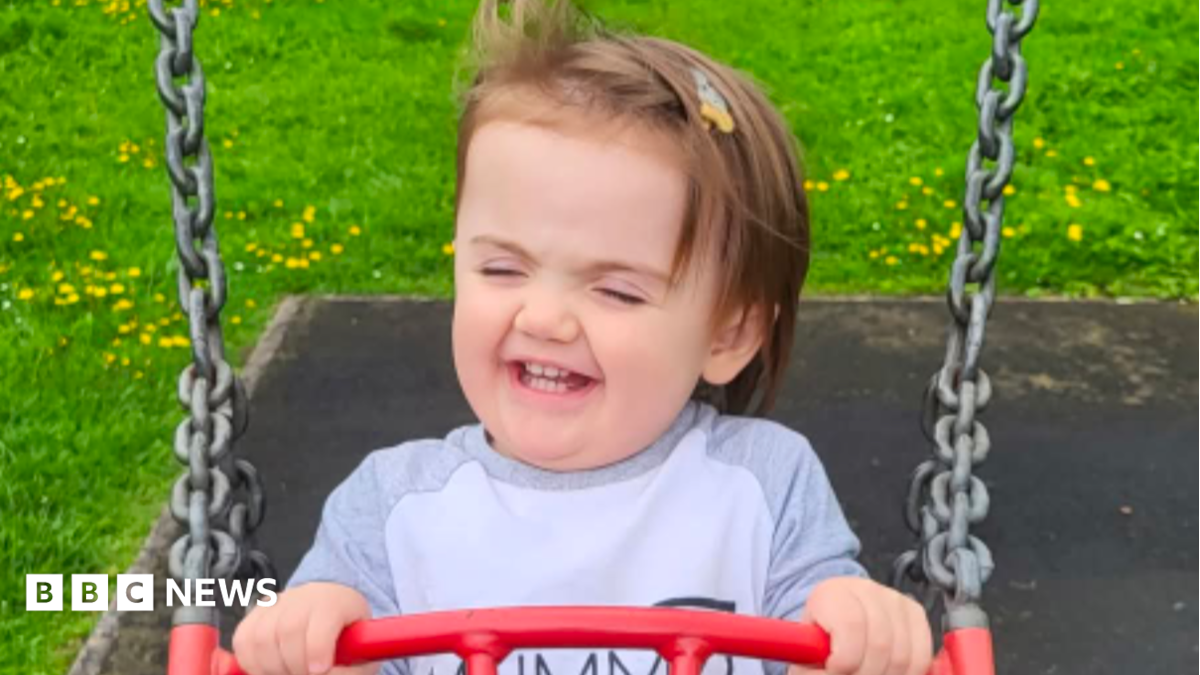
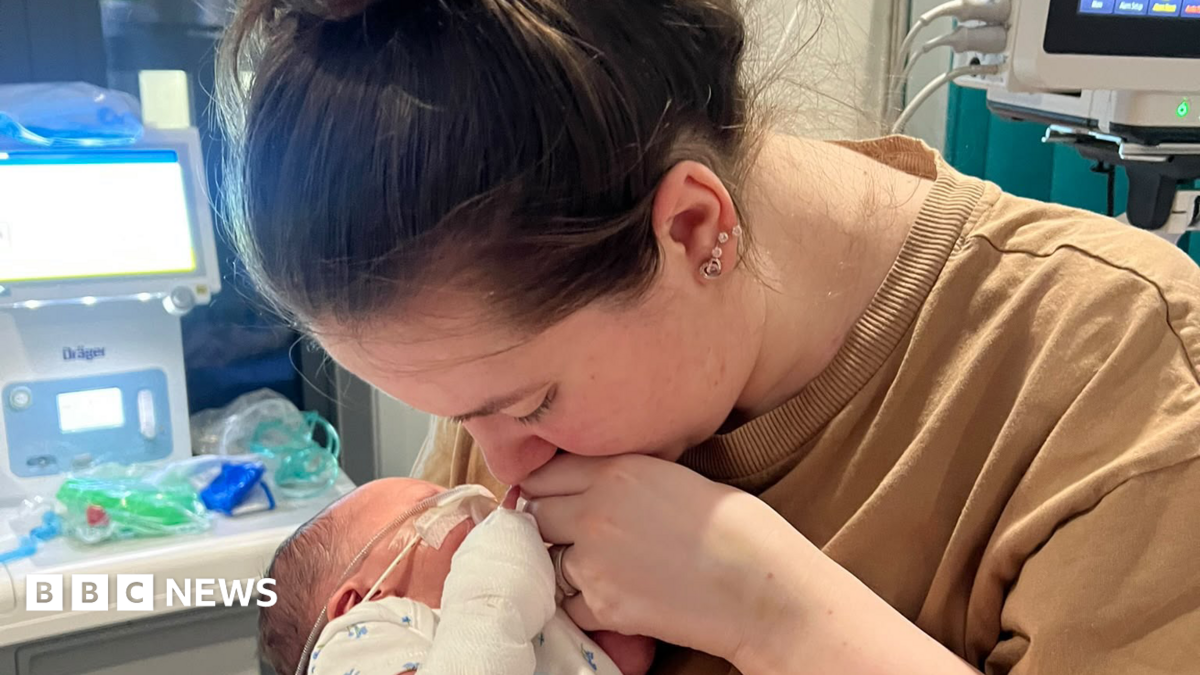
A few years later she had given birth to her daughter Robyn and, while changing her nappy, Robyn accidentally kicked the right side of her chest.
It was then Jenkins noticed the lump had become "massive" so she visited her GP practice in October 2024.
She said, being 40 at the time, she was told she was "too young" to have breast cancer and the lump may be linked to an infection or "medical anxiety" as she had postnatal depression, and was prescribed antibiotics.
She said: "I haven't got medical anxiety, otherwise I'd be up the hospital and doctors' every week." Image source, Beth Jenkins Image caption, Beth said she "instantly thought of my children" after her diagnosis Two weeks later she returned to the practice while taking her baby for an appointment and decided to speak to a female GP about her concerns.
The GP reviewed her notes and advised her to submit an e-consult, saying she should have been referred straight away.
"So I went straight home, did what she said and the same locum doctor picked it up and he rang me," she said.
"He was like, 'you're still a bit anxious about this lump here.' I said, 'I'm not anxious.
I said it's something, it's non-infection.
I need to have it seen to'." Image source, Beth Jenkins Image caption, Beth lost her hair, but decided to shave if off first to be able to "control" what she could while being treated for breast cancer She was referred to a breast clinic and diagnosed on 14 November 2024 - the cancer had spread to three lymph nodes by the time it was found.
"Me and my dad, we just sat in shock really.
I didn't even cry, I didn't get upset," she said.
Despite the devastating news, Jenkins, a police officer, praised the specialist team, saying the consultant reassured her: "I promise you I will get rid of this." At first, Jenkins had a mastectomy and initially told her eight-year-old daughter Fallon that she had a "boob job".
She laughed: "Her remark to me was, 'why did you just have the one boob done and not the other one'?" Jenkins decided to tell Fallon she had cancer before starting chemotherapy and radiotherapy - which caused her to lose her hair.
She had further preventative treatment, but experienced serious complications including neutropenic sepsis, external.
"They said if I had gone there [to the hospital] 24 hours later, I wouldn't have survived," she said.
Image source, Beth Jenkins Image caption, Beth decided to tell her daughter Fallon about her cancer diagnosis before she started chemotherapy Jenkins is classed as having no evidence of disease but will be monitored for 15 years.
She said people have described her as "one of the lucky ones" but added: "Lucky would be not to have cancer at all, and not for my kids to see what they've had to see for the last two years." Jenkins described GPs as "the gateway to the services" and "if you can't get past the GP to get to that service, there's people dying".
In the UK, routine NHS breast screening is not automatically offered to 40-year-olds, as standard invitations begin at 50.
Dr Lee Campbell from Cancer Research Wales said, although uncommon, there were about 100-115 cases of breast cancer in women under 40 each year in Wales.
"Age should not be a deciding factor for referral for further investigations if symptoms present in younger women," he added.
Image source, Cancer Research Wales Image caption, Dr Lee Campbell says there is "an inequity" on how GPs apply referral guidelines for people aged 40 and under Jenkins hopes sharing her story will encourage others to "keep pushing" for answers and to fight to be heard.
"If I hadn't had a voice, or if I'd just listened to that doctor, I could be sitting here now and they'd say, 'it's in your bones, in your brain'," she said.
"So many more people are sat in the house right now who should have been diagnosed and by the time they go back they're terminal.
"Cancer didn't care that I was a mother to a 10 month old... cancer doesn't discriminate".
The National Institute for Health and Care Excellence (NICE) guidelines state that people 40 and under should be referred for further investigation if they have an unexplained breast or armpit lump, with or without pain, or skin changes that could indicate breast cancer.
Research by Cancer Research Wales found "an inequity" on how GPs apply these - some following them closely while others rely on experience or instinct.
Campbell said: "We are currently working with researchers and primary care centres across Wales to ensure guidelines are followed and best practice is pursued.
"With respect to cancer, this will enable GP practices to go from gatekeepers to case-finders and will ensure cases like Beth's are dealt with sooner and not readily dismissed." Image source, Beth Jenkins Image caption, Beth Jenkins has decided to create Breast Fest, a charity event on 14 November to raise money for Merthyr Cancer Aid Since raising concerns publicly, Jenkins said her GP practice had been "pretty forthcoming" and put out a statement on social media in July 2025.
It said a "serious diagnosis was unfortunately missed at first.
"Thankfully, she returned to see another member of our team who sent an urgent referral - but had they not, the outcome could have been very different.
In the patient's own words 'trust your instincts'." Jenkins said she had "tried to turn a negative into a positive." To mark two years since her diagnosis, she decided to create Breast Fest, a charity event to raise money for Merthyr Cancer Aid on 14 November that has raised £6,000 from ticket sales alone.
"People are being so kind.
It's gone really well and I'm hoping to raise a lot of money," she said.