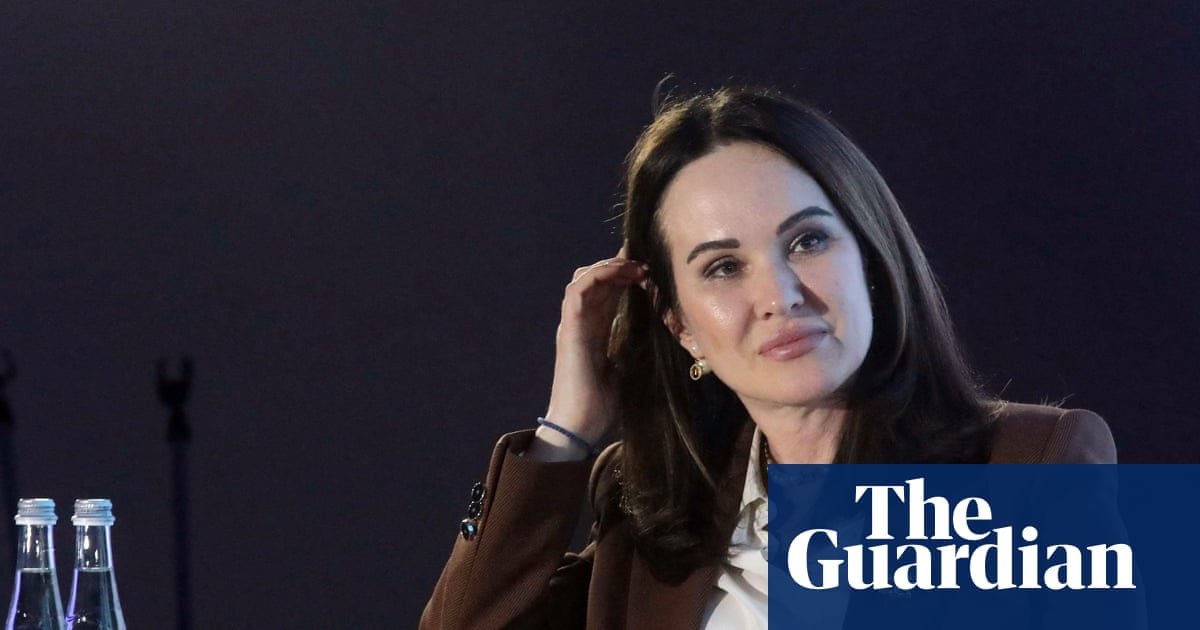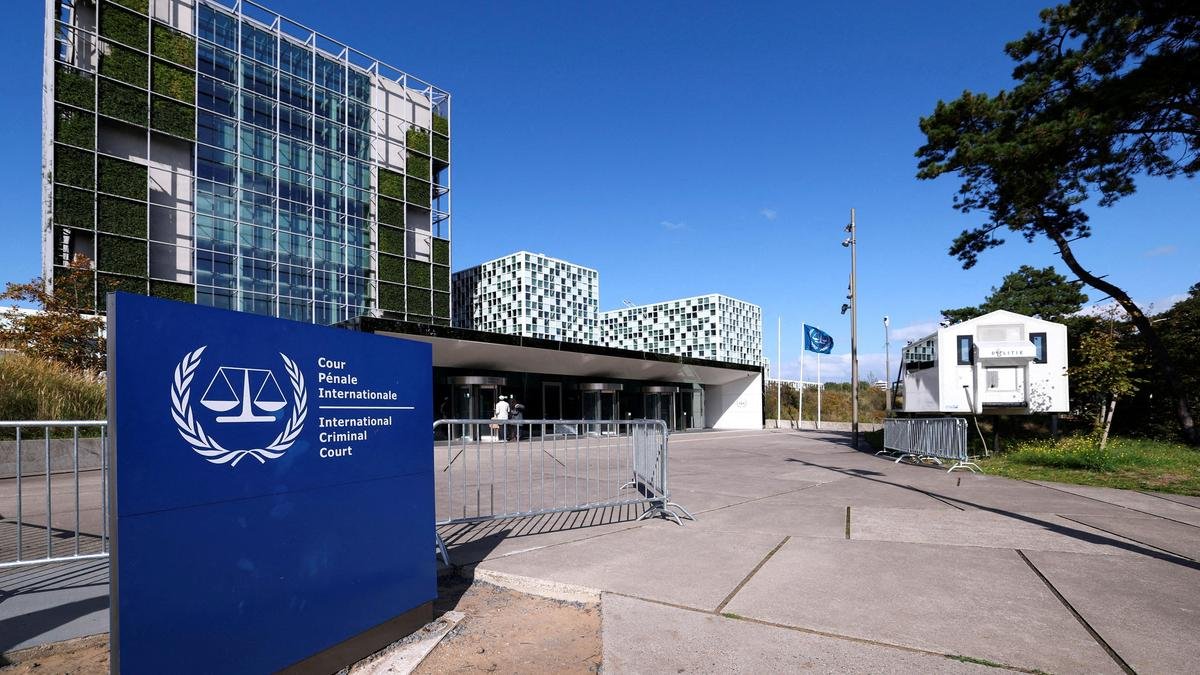
The International Criminal Court on Wednesday (August 19, 2026) lashed out at the United States after Washington slapped sanctions on ICC president Tomoko Akane, calling it a "flagrant attack" on the court's independence.
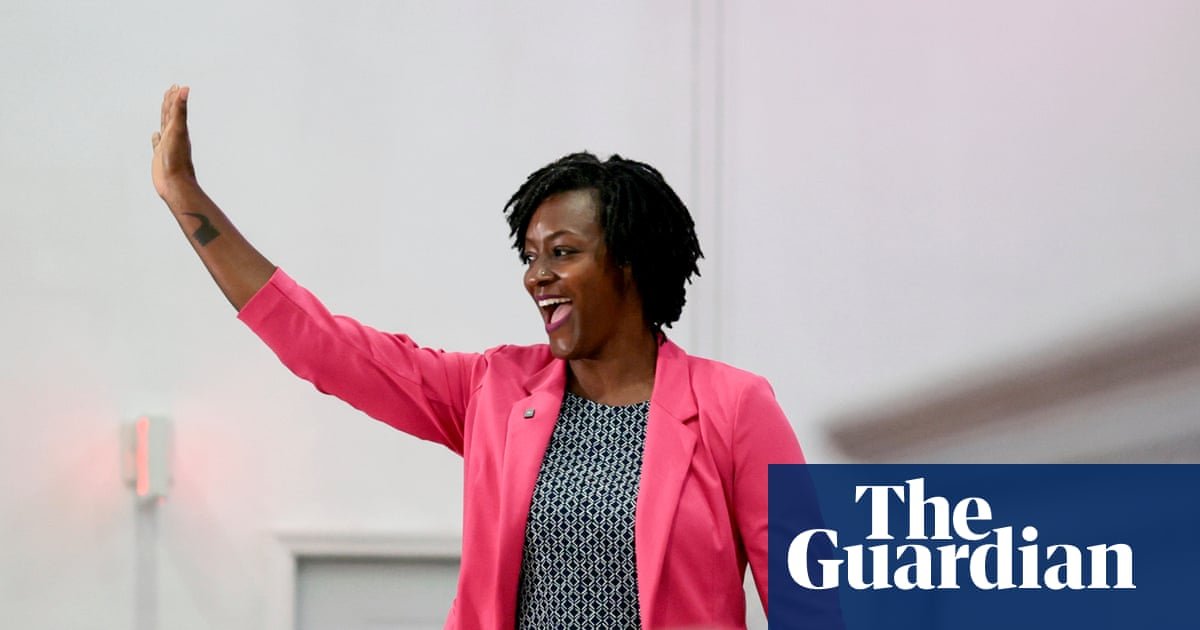
The U.S. sanctioned Akane of Japan and trial lawyer Abdoulaye Seye of Senegal on Tuesday (August 18, 2026), as part of Washington's campaign against what it calls a "corrupt and fatally politicised" body.
The United Nations’ rights chief Volker Türk and the EU's top officials threw their support behind Akane and her top officials.
U.S. sanctions ICC chief Tomoko Akane of Japan "Unacceptable new sanctions imposed by the USA against the International Criminal Court's President and a prosecution staff member must be lifted," said Mr.
Turk.
And in twin statements on X, European Commission chief Ursula von der Leyen and European Council head Antonio Costa the court "must be able to act independently and without external pressure." Germany's foreign ministry also called the court's independence "of central importance,"; while the Netherlands, which hosts the court at The Hague, also voiced its disapproval.
Joining the chorus of condemnation, Spain described the court as "the cornerstone of the international criminal justice system".
Chad announces intent to withdraw from International Criminal Court And the court itself said in a statement: "These sanctions are a flagrant attack against the independence of an impartial judicial institution." "Such measures targeting judges, prosecutors and staff... undermine the rule of law." Japan objects Washington's latest move follows sanctions it imposed on several ICC officials, seen as largely in response to the court's investigations involving Israel, a U.S. ally.
Japan also objected to the sanctions, saying the country has "consistently supported the ICC... in its efforts to prosecute and punish the most serious crimes of concern to the international community and to uphold the rule of law." The measures are "very unfortunate," foreign ministry press secretary Toshihiro Kitamura said in a statement.
Japan is the biggest funder of the ICC and a close U.S. ally -- which is not a party to the international treaty that established the court.
U.S.
Secretary of State Marco Rubio earlier said in a statement, without providing examples, that the sanctioned "individuals have directly engaged in efforts by the ICC to investigate, arrest, detain, or prosecute officials whose government has not consented to ICC jurisdiction".
Established in 2002, the ICC prosecutes individuals accused of the gravest atrocities and acts as a last resort when countries do not have adequate legal systems to ensure accountability.
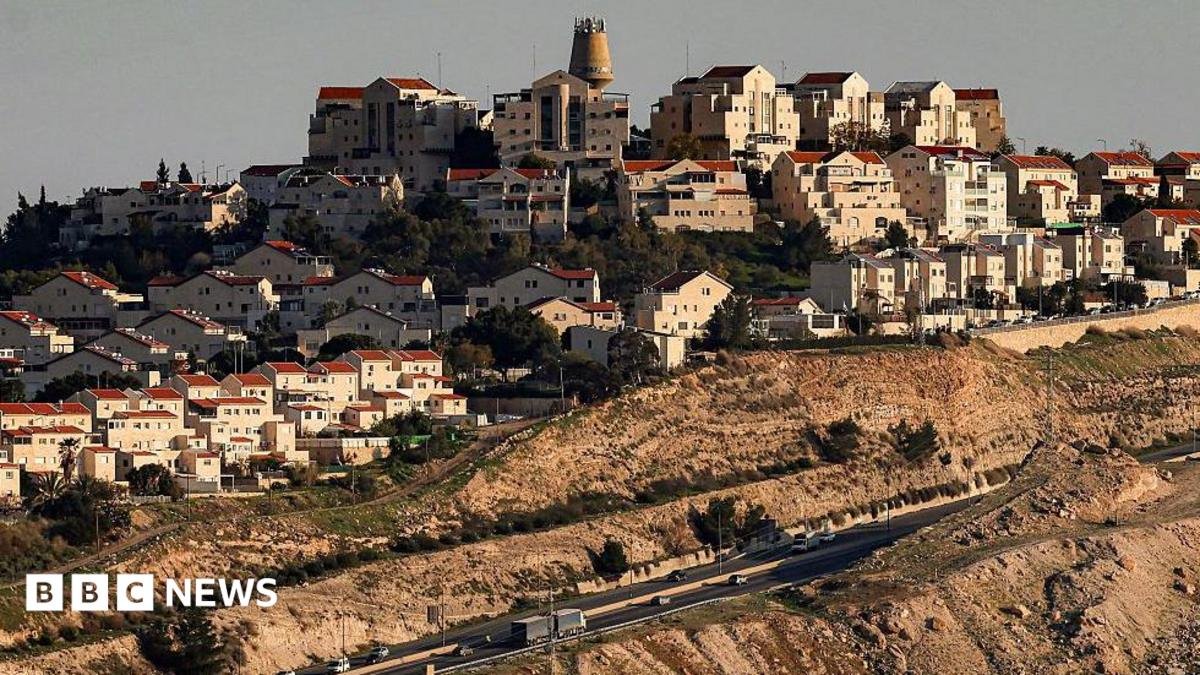
Israeli support President Donald Trump's administration has already imposed sanctions against officials of the ICC, which issued in 2024 an arrest warrant for Israeli Prime Minister Benjamin Netanyahu over the war in Gaza.
The measures bar them from entering the U.S. and from carrying out transactions in the US financial system.
In an X post Tuesday (August 18, 2026), Mr.
Netanyahu applauded the U.S. sanctions and called the ICC "a kangaroo court that cloaks its abuse of power in the language of international law".
Last month, Washington launched a major diplomatic offensive against the ICC, accusing it of "threatening" Americans and calling on partners to withdraw from the body -- a move already announced by Chad and Venezuela, which has aligned with the United States since it captured leader Nicolas Maduro.
The ICC expressed concern that such withdrawals risked undermining the collective pursuit of justice.
'Assault' The U.S. signed the Rome Statute establishing the ICC but never ratified the treaty.
Israel, Russia and China are not ICC members either.
"The Trump Administration has been clear: the International Criminal Court is a corrupt and fatally politicised supranational court that has maliciously abused its authority and exceeded its mandate," said Mr.
Rubio's statement.
"We will not tolerate its assault on state sovereignty." Last week, four human rights groups sued Mr.
Trump in a New York court over his sanctions targeting the ICC, arguing the measures blocked victims of war crimes from pursuing justice.
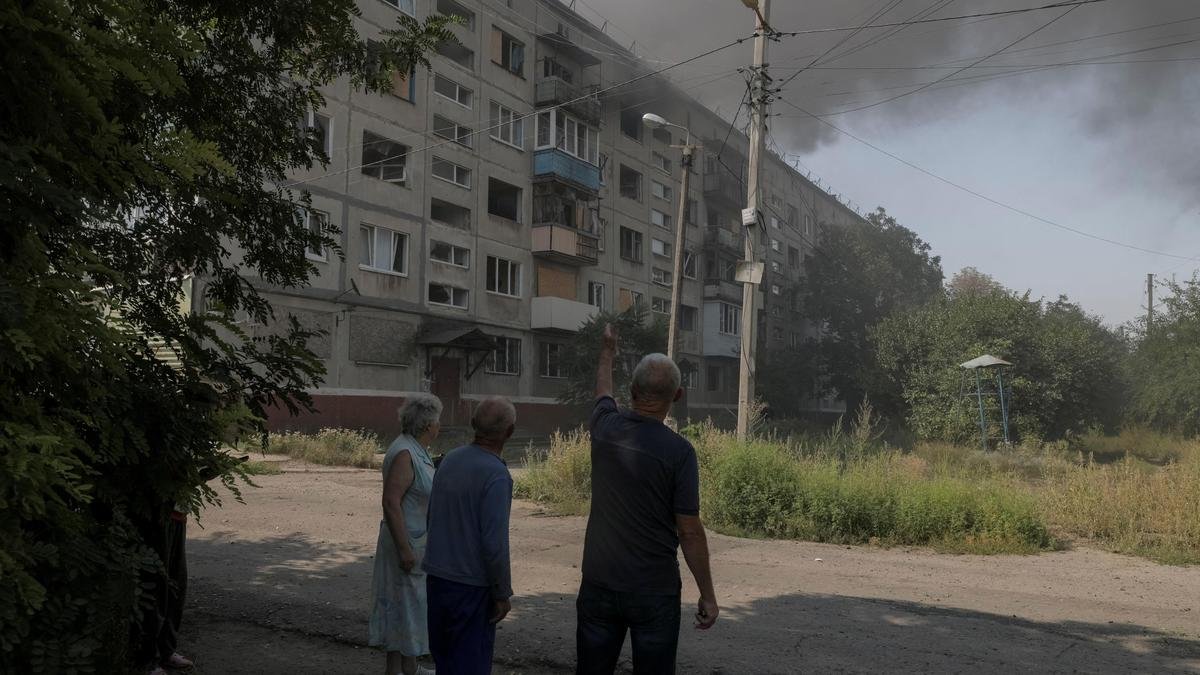
In 2023, the ICC issued an arrest warrant for Russian President Vladimir Putin over the war in Ukraine, prompting Moscow to issue its own arrest warrants for senior court officials.
These included Akane, 70, an ICC judge since 2018 who was elected as the court's president in March 2024.
"Even if one judge were to die, we are easily replaceable, so there is really no value in targeting us," she said after the Russian announcement.