Forty days of war, more than sixty days of tense negotiations, and then a memorandum of understanding.
Yet, the U.S. still has no easy solution to a problem that did not exist before it joined Israel in launching its war against Iran on February 28, 2026: who will manage the Strait of Hormuz?
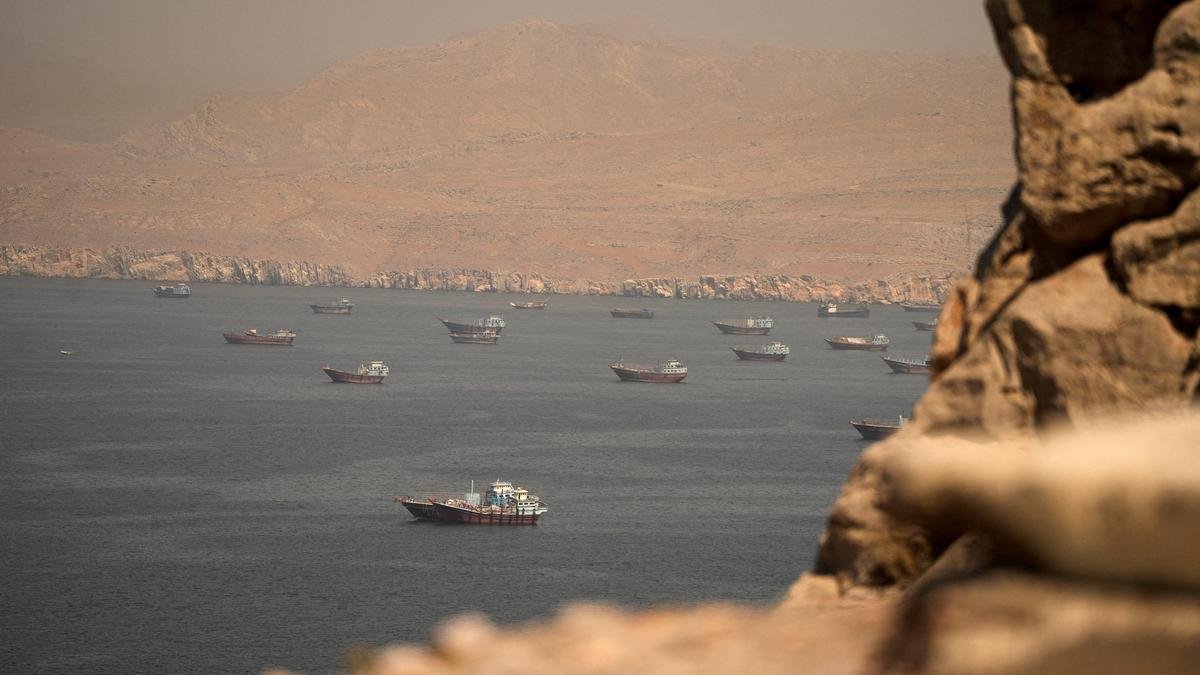
Iran and Strait of Hormuz: A lone battle for control The strait, a critical energy and economic chokepoint connecting the Persian Gulf with the Arabian Sea through the Gulf of Oman, was open to international shipping before the war.
That changed within days of the U.S. attack, when Iran asserted control over the waterway.
Since then, Washington has tried a range of measures to restore free navigation — it bombed Iran’s naval assets; U.S.
President Donald Trump issued repeated ultimatums, threatening to destroy Iran’s critical infrastructure.
When he announced a ceasefire on April 8, he declared that the strait would reopen.
In mid-April, he imposed a blockade on Iranian ports and later launched the short-lived Operation Project Freedom to protect commercial shipping transiting the strait.
None of these measures persuaded Iran to restore free passage.
After the MoU was signed between the U.S. and Iran on June 17, Mr.
Trump again said Hormuz would be fully reopened for toll-free shipping.
Iran did open a new route for passage, along its coastline, which it said would be safe.
But this did not resolve the crisis.
Last week, an oil tanker off Oman’s coast was attacked by Iranian drones, after which the U.S. carried out attacks on Iran.
Tehran retaliated, targeting U.S. bases in the region.
While both sides agreed to halt tit-for-tat attacks, Iran has ruled out direct technical talks with the U.S., which were scheduled to continue this week, casting doubts on the implementation of the MoU.
War on Iran | The story of a shipwrecked hegemon At the heart of the problem lies a simple question: who controls the Strait of Hormuz?
What the MoU says Under Article 5 of the MoU, Iran has promised to “make arrangements” for the “safe passage of commercial vessels, with no charges for 60 days only from the Persian Gulf to the Sea of Oman and vice versa”.
It says commercial traffic would immediately start and Iran would remove mines and other technical impediments for traffic within 30 days of signing the memorandum.
The next line of the article holds enormous significance for the future of the strait.
It says Iran will conduct talks with Oman “to define the future administration and maritime services in the Strait of Hormuz, in discussions with other Persian Gulf littoral states, in line with applicable international law and the sovereign rights of coastal states”.
The agreement doesn’t say passage would be free of charges in the future — that provision is applicable for only 60 days.
It says Iran — not the U.S. — will hold talks with its neighbours to define the future status of the strait.
In other words, Iran hasn’t given up its claims or control over the strait in the MoU.
Rather, it has reasserted them.
ALSO WATCH Iran war: Trump warns Iran ‘will no longer exist’ if U.S. decides to escalate The U.S., which has already lifted its maritime blockade, is not happy with leaving the levers of one of the world’s most important waterways in the hands of a state it sought to topple just four months ago.
When U.S.
Secretary of State Marco Rubio visited the region last week, he pressed Persian Gulf countries to push against the Iranian plan.
Oman opened an alternative route, along its coast, to transit Hormuz.
Soon after Mr.
Rubio left, Iran attacked a Singapore-flagged tanker off Oman’s coast.
Earlier, the Islamic Revolutionary Guard Corps (IRGC) had warned that traffic through “non-designated routes” could be dangerous.
Tehran knew the attack risked escalating tensions with the U.S., but it appeared willing to take that risk rather than surrendering control of Hormuz.
Mr.
Trump called the drone attack a “foolish violation” of the ceasefire, and struck Iran, triggering a retaliatory response from Tehran.
How Trump’s posts on Iran zigzagged during the war Why Hormuz matters From Iran’s point of view, two decisions it took proved critical to its own survival in the war — the regionalisation of the war by targeting American bases and energy infrastructure across the Persian Gulf, and the closure of the Strait of Hormuz.
By retaining its grip on Hormuz despite American threats, attacks and blockade, Iran has demonstrated deterrence capability.
Iran believes the war has fundamentally altered the region’s strategic landscape and that control over Hormuz is central to deterring future attacks.
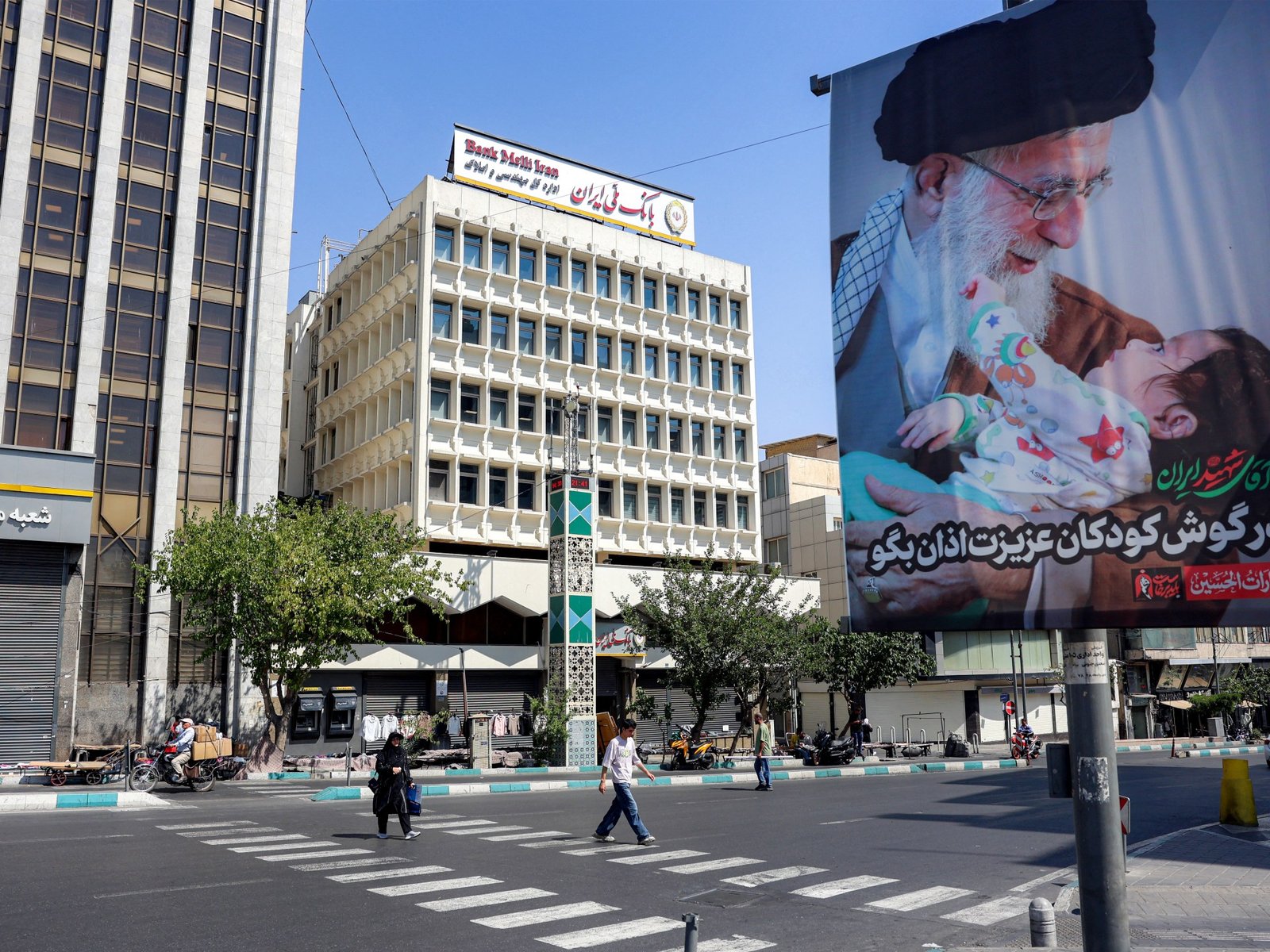
What it wants to do is to assert Iranian control and “sovereignty” over the strait—a game-changing move which could solidify Iran’s position as a powerful regional player in the Persian Gulf.
Enforcing a service fee or insurance costs is only part of this broader objective.
As talks stutter, Iran grip on Strait of Hormuz still tight Tehran wants vessels to use its designated route, coordinate with the newly created Persian Gulf Strait Authority (PGSA), and, eventually, pay for “services” provided by littoral states, drawing on models used in the Strait of Malacca and the Singapore Strait.
“These are our territorial waters,” Iran’s Parliament Speaker and top negotiator with the U.S. said on June 30 in a televised interview.
“Iran will never, under any circumstances, retreat from this position,” he added.
Iranians want to institutionalise this new mechanism for long-term management of the strait.
And Gulf countries, including Oman, Qatar, Saudi Arabia and even the UAE, are in talks with Tehran.
Trump still seems serious about negotiations with Iran.
Despite Iran’s remarks that technical talks were called off over last week’s strikes, he sent Steve Witkoff and Jared Kushner to Qatar.
With mid-term elections looming and his approval ratings falling, Mr.
Trump’s military options are constrained, at least for now.
But he is also confronting a new reality in the Persian Gulf.
The country he wanted to submit to U.S.-Israeli demands is now setting the terms of the regional order.