The cross-border trade between India and China through Shipki La, known as the ancient Silk Route joining India with Tibet, resumed on Saturday (August 1, 2026) after a gap of six years.
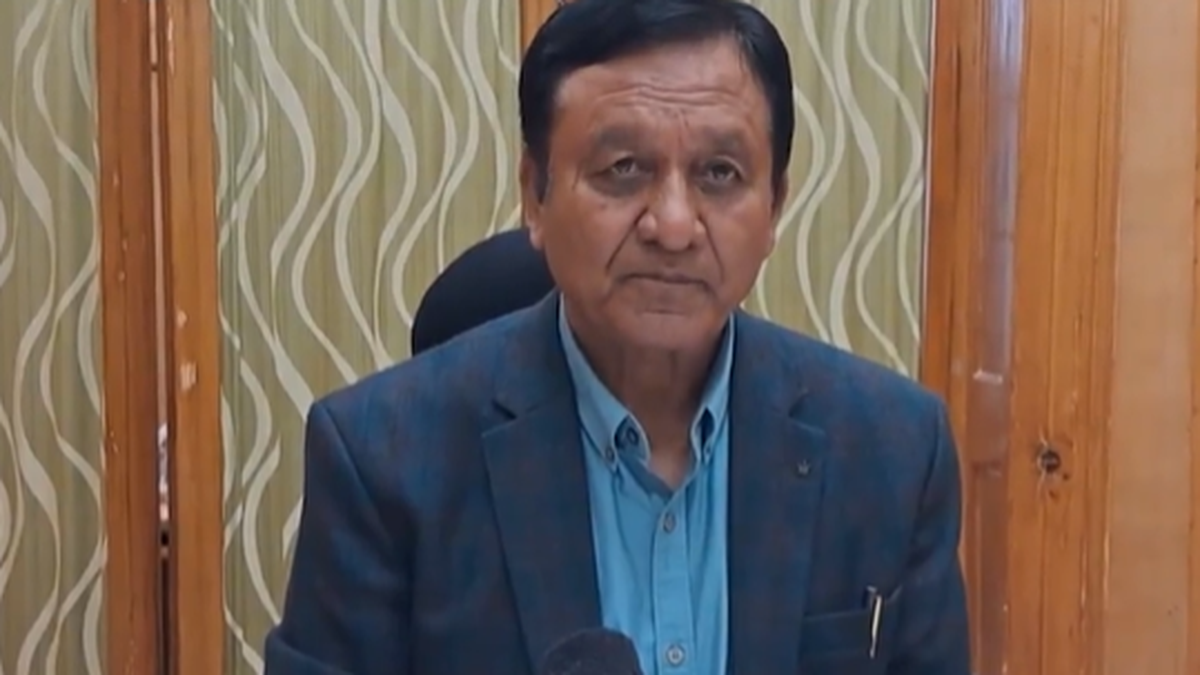
Himachal Pradesh Revenue and Horticulture Minister Jagat Singh Negi on Saturday (August 1, 2026) flagged off 16 traders after presenting traditional Khataks (ceremonial scarves) along with their horses towards Shipki village in Tibet.
India’s balancing act to attract more investment from China, U.S. and boost trade The Minister said that the exchange of various goods would take place via a barter system and that the traders would have to return after conducting trade in the Tibetan region for 72 hours.
He also inaugurated a modern trade mart (Chhuppan Trade Mart) constructed in the Shipki La area in the border Gram Panchayat of Namgya in Himachal's Kinnaur district at a cost of ₹1.70 crore to facilitate border trade, a statement issued in Shimla said.
The Minister urged local traders to strictly adhere to the import-export regulations prescribed by the Union Ministry of Commerce, ensuring transparency and compliance with the rules.
Preliminary information indicates that traders will be able to bring 72 types of items from the Indian side and 30 from the other side.
India’s imports from China soar to $80 billion in first half of 2026, exports up 37% Responding to the Traders' Association's request to expand the scope of import-export goods, the minister stated that the proposal would be placed before Chief Minister Thakur Sukhvinder Singh Sukhu so that it could be conveyed to the Chinese government through the Ministry of External Affairs, following the necessary procedures.
Mr.
Negi said that the resumption of trade via the Shipki La route would provide new strength to the economy of the border areas and would increase employment and self-employment opportunities for local youth, besides boosting commercial activities in the region.
The State government is continuously working towards the holistic development of border areas with special emphasis on making life easier for people in remote regions by strengthening road connectivity, communication networks, and other basic amenities, he added.