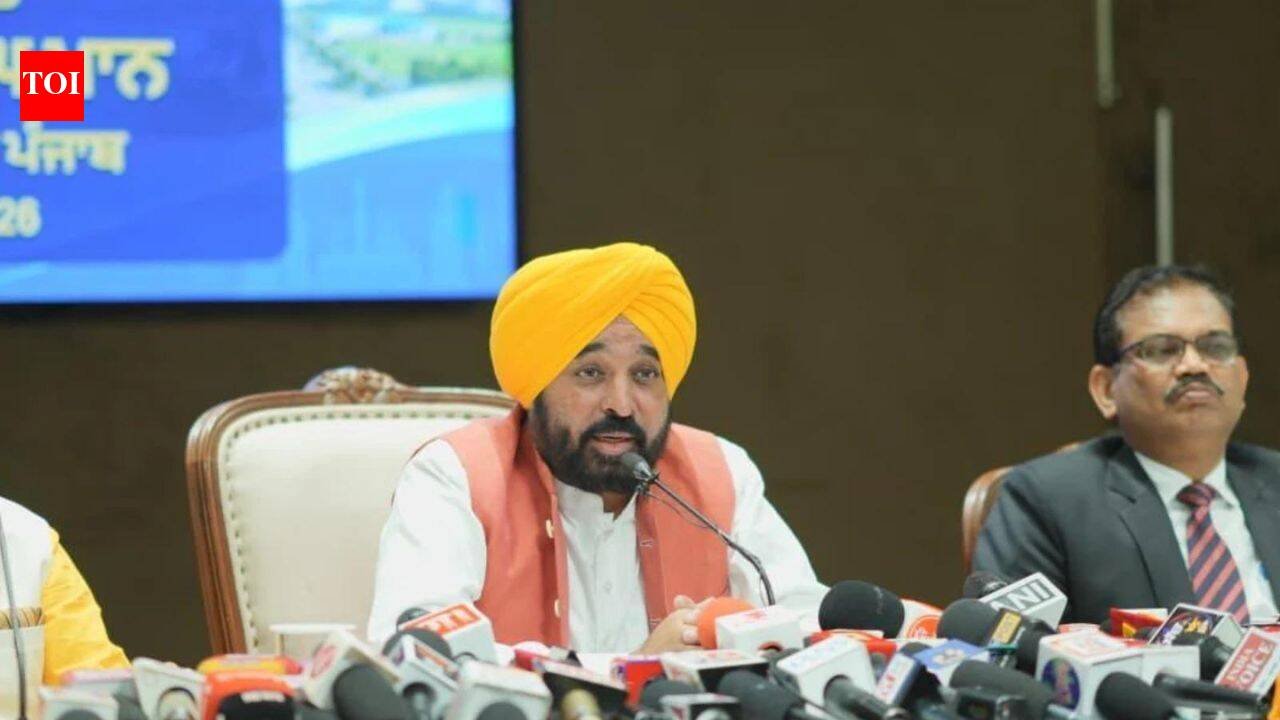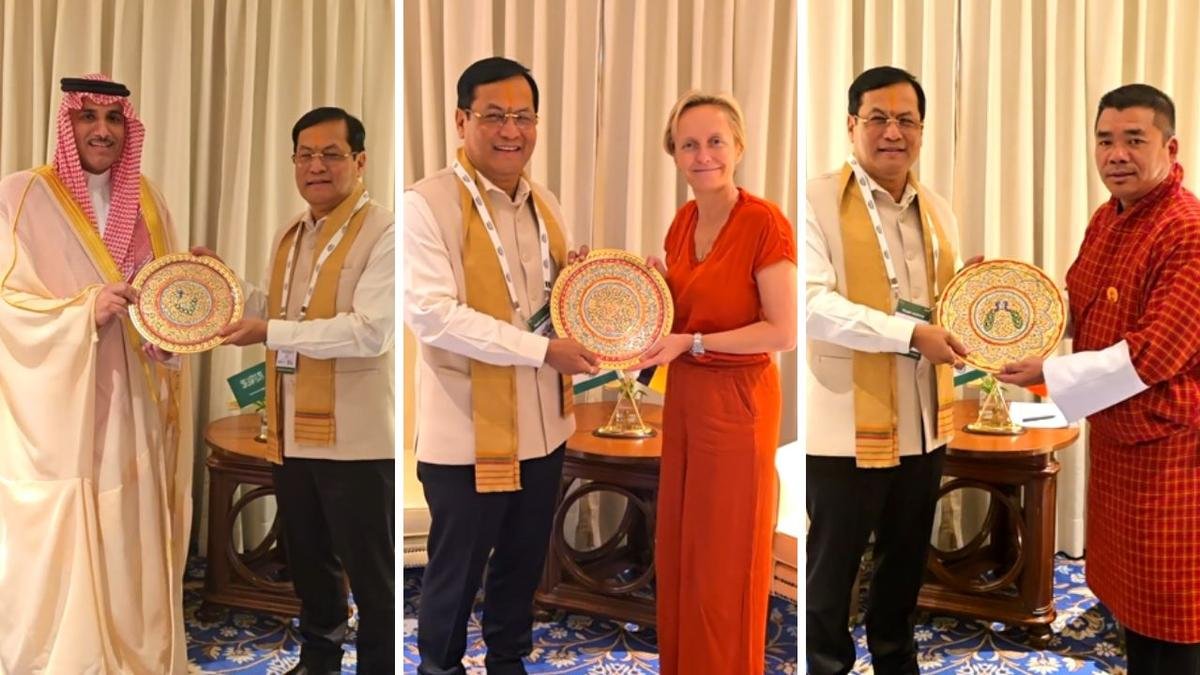
Union Minister for Ports, Shipping and Waterways Sarbananda Sonowal on Thursday (October 8, 2026) held bilateral meetings with representatives from Saudi Arabia, Belgium and Bhutan during the second day of Sagarmanthan: The Great Oceans Dialogue 2026 in New Delhi.
He said Saudi Arabia expressed interest in investing in Indian port projects, including Vadhavan and Galathea Bay, as well as the Maritime Development Fund.
The two sides also discussed cooperation in shipbuilding, seafarer training and strengthening maritime supply chains.
With Flemish Minister for Mobility, Public Works, Ports and Sport Annick De Ridder, Mr.
Sonowal proposed exploring a green shipping corridor linking Indian ports with Antwerp-Bruges.
Discussions covered green fuels, smart port technologies and dredging.
VOC Port also signed an agreement with the Port of Antwerp for capacity building in green shipping and green fuels.
With Bhutan’s Minister for Infrastructure and Transport Chandra Bahadur Gurung, Mr.
Sonowal discussed the potential of National Waterway-2 and the Jogighopa terminal as gateways for Bhutanese cargo to global markets.
The two sides also explored using the Manas and Sankosh rivers and maritime training for Bhutanese youth at the upcoming Centre of Excellence in Dibrugarh.
Self-reliance key to India’s maritime superpower ambition, says Sarbananda Sonowal Mr.
Sonowal said India’s maritime partnerships were expanding across the Gulf, Europe and its neighbourhood, stressing the need to convert dialogue into investment, technology and research partnerships.
Separately, Minister of State for Ports, Shipping and Waterways Shantanu Thakur held meetings with representatives from Greece, Lithuania, Mozambique and Myanmar.
Discussions included direct shipping links, green ports, shipbuilding, ship repair, seafarer training, the next phase of Sittwe Port and cross-border inland water trade.
Big strides Addressing a press conference, Mr.
Sonowal said India had moved from “maritime potential to maritime performance” under Prime Minister Narendra Modi.
Port capacity has risen from 1,561 million tonnes per annum to 2,817 MTPA over the past 12 years, while inland waterways cargo has increased from 29 million tonnes to 218 million tonnes.
Median container vessel turnaround time has fallen from 35 hours to 23 hours.
India’s maritime policy: how it has evolved and what lies ahead India’s seafarer workforce has also grown from 1.27 lakh to 3.23 lakh, making it the world’s second-largest supplier of seafarers.
Active women seafarers increased from 1,599 in 2021 to 7,033 in 2025.
India is targeting a 20% share of women seafarers by 2030.
Mr.
Sonowal also highlighted India’s plans to develop green hydrogen, ammonia and methanol capacity and position its ports as green-fuel bunkering hubs as part of its Net Zero 2070 commitment.