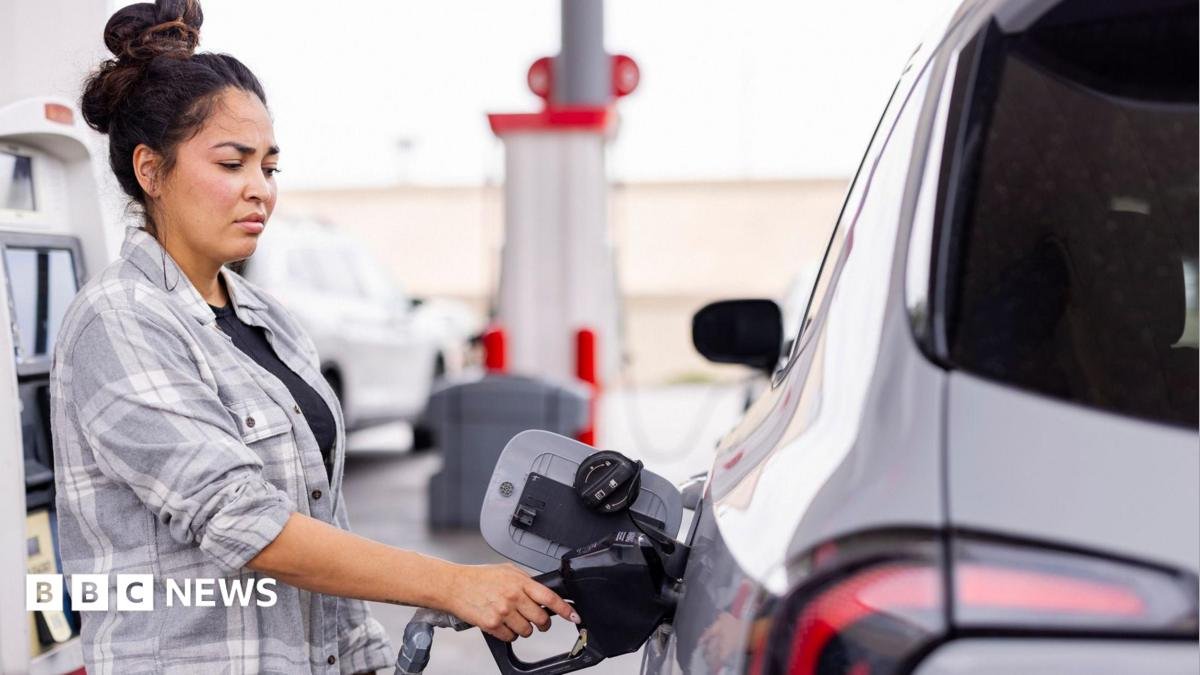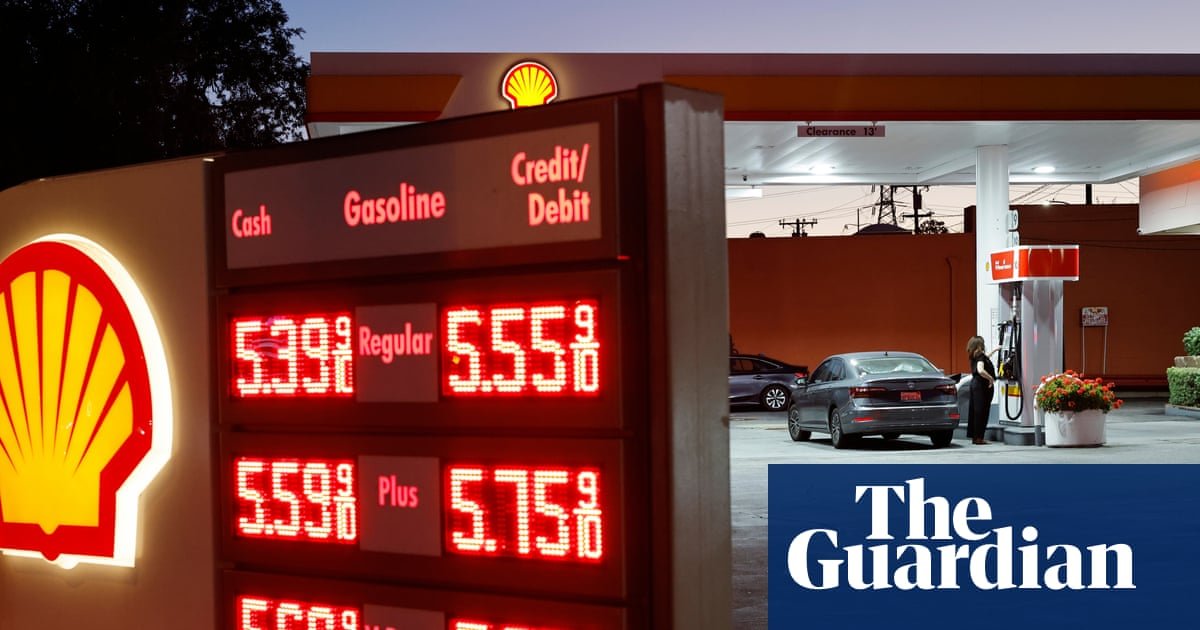
Gas prices displayed at a gas station on 7 July 2026 in Pasadena, California.
5% in June in relief brought by brief US-Iran deal Recent strikes have sent oil prices climbing again, with average gas price per gallon up by 70 cents on last year Inflation cooled to an annual rate of 3.5% in June as the brief US-Iran ceasefire, which has since ended, brought energy prices down, according to new data from the Bureau of Labor Statistics.
The consumer price index (CPI), which measures a basket of goods and services, has been elevated since the start of the war, largely because of higher energy prices.
After mostly staying under 3% since mid-2024, CPI reached a three-year high of 4.2% in May – up from 2.4% in February.
Month-over-month, CPI fell 0.8% in June, the largest one-month decrease since April 2020.
Declines in the energy index were the largest contributor to the overall decline in CPI, offsetting increases in other indexes such as food, utilities and shelter.
Gasoline prices dropped 9.7% from May to June and fuel oil, which includes diesel and kerosene, was down 9.2% for the month.
Apparel also ticked down 0.6%.
Stripping out volatile energy and food prices, core inflation – which the Federal Reserve watches closely to measure underlying inflation – decreased slightly to 2.6% on a yearly basis and remained flat from the previous month.
A line chart showing latest US inflation figuresThough the US-Iran peace agreement brought some relief to energy prices, recent strikes between the two countries have sent oil prices climbing again.
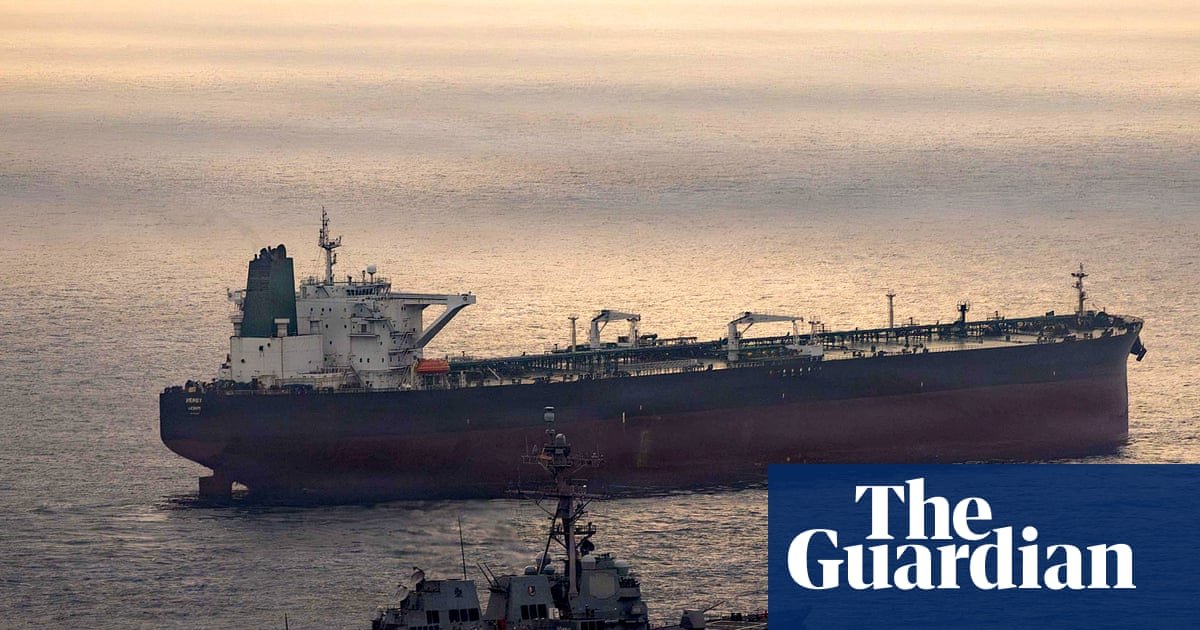
Donald Trump said on Monday that the strait of Hormuz, where a fifth of the world’s oil and gas typically passes through, will remain open “with or without Iran” and claimed that the US will reinstate its blockade of Iranian ports.
In turn, Brent crude, the global benchmark for oil, hit $80 on Monday just after it reached a recent low of $67 earlier in July.
Prices at the pump have also gone up: the national average price for a regular gallon of gas increased to $3.87 a gallon last week, 70 cents more per gallon than a year ago.
Higher energy prices have trickled into higher prices in other industries, including travel.
Delta said in its quarterly earnings last week that it expected high airfares to last and has passed on 60% of its extra fuel costs to consumers.
Though Trump said last month that he was not concerned about the elevated figure, surveys have shown that many Americans disapprove of his handling of the war.
A recent Harris-Guardian poll found that a majority of Americans believe the economy is getting worse now compared with February, and 95% believe the country is in an affordability crisis.
Despite the heightened inflation over the past few months, the American job market has remained relatively steady.
The average number of jobs added to the economy from April through June was 111,000, indicating a relatively strong labor market amid economic uncertainty.
The US Federal Reserve will weigh both rising prices and the labor market in their upcoming board meeting scheduled for 28 and 29 July.
Last month, the central bank unanimously voted to maintain rates and emphasized its goal to deliver price stability.
Inflation remains well above the central bank’s stated goal of 2%.
Kevin Warsh, the new Fed chair, is scheduled to testify in Congress before the House financial services committee later Tuesday morning.
Though he’s unlikely to share any insight on the central bank’s next rate-setting move, he is expected to answer questions on the state of the economy and the five taskforces he created last month.
In a transcript of his opening markets shared ahead of his testimony, he said the members of the central bank’s committee have “no tolerance for persistently elevated inflation” and have a duty to take a “fresh look at current practices to make sure we are serving our objectives”.
Explore more on these topicsInflation Oil Gas news Share Reuse this content