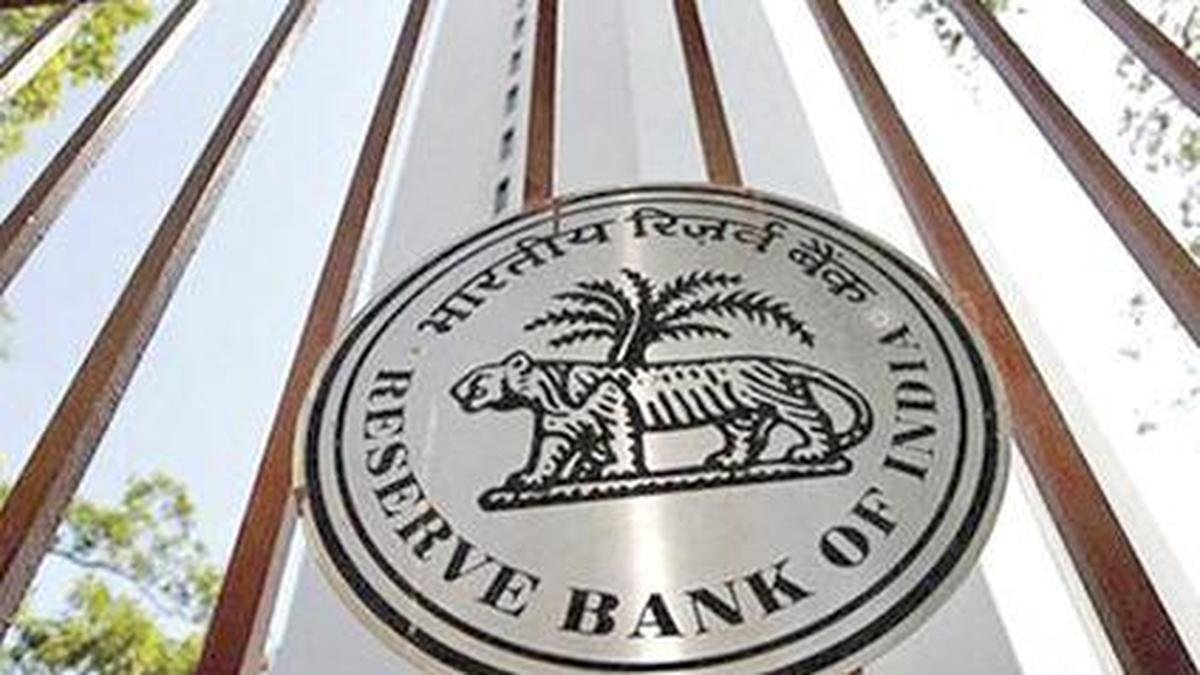
The introduction of Merchant Discount Rate (MDR) on large-value UPI transactions is an important step towards strengthening the long-term sustainability of India's digital payments ecosystem, the Reserve Bank of India said on Tuesday (September 15, 2026) following a proposal to levy a 0.4% fee on transactions exceeding ₹2,000.
"It will help UPI in continuing to scale, innovate and serve consumers and businesses across the country," the Reserve Bank of India (RBI) said in a post on X.
Merchants to be charged 0.4% for UPI transactions over ₹2,000; small vendors exempt Ending nearly six years of fully free UPI payments, the government on Tuesday (September 15, 2026) introduced a 0.4% fee on transfers worth more than ₹2,000 made to merchants through the platform from October 15, while explicitly ring-fencing everyday person-to-person transactions as well as small payments from any charge "Customers will not be required to pay any charge when making such payments through UPI," the finance ministry said in a statement quoting the National Payments Corporation of India circular issued on Tuesday (September 15, 2026).
"MDR is a charge within the merchant payment ecosystem.
It is not a charge on customers making UPI payments," the statement added.
.
This, in turn, can enable wider UPI acceptance, deepen the customer base and support sustained growth in transaction volumes, it said.
Importantly, all UPI transactions — both Person-to-Person (P2P) and Person-to-Merchant (P2M) — shall remain free for users, it said, adding that P2M UPI transactions below ₹2,000 will continue to remain free for merchants.
ALSO WATCH UPI MDR charges from October 15: Who will pay on transactions above ₹2,000?
"RBI remains committed to ensuring that UPI continues to be safe, seamless, affordable, and accessible, while supporting the long-term sustainability and growth of India's world-class digital payments ecosystem," it said.
UPI is operated by the National Payments Corporation of India (NPCI), an initiative of RBI and the Indian Banks' Association.
It runs real-time payments between individuals nd enables customers to make payments directly to merchants while making purchases.
As far as overseas presence is concerned, UPI is now accepted in 11 countries, with Uzbekistan being the latest entry.
The other countries where UPI is accepted are Singapore, the United Arab Emirates, France, Mauritius, Nepal, Bhutan, Qatar, Sri Lanka, Cambodia, and Greece.
UPI, launched on August 25, 2016, has transformed India's digital payments landscape, with transaction value surging from ₹0.07 lakh crore in FY17 to around ₹314 lakh crore in FY26, a more than 4,000-fold increase over the decade.