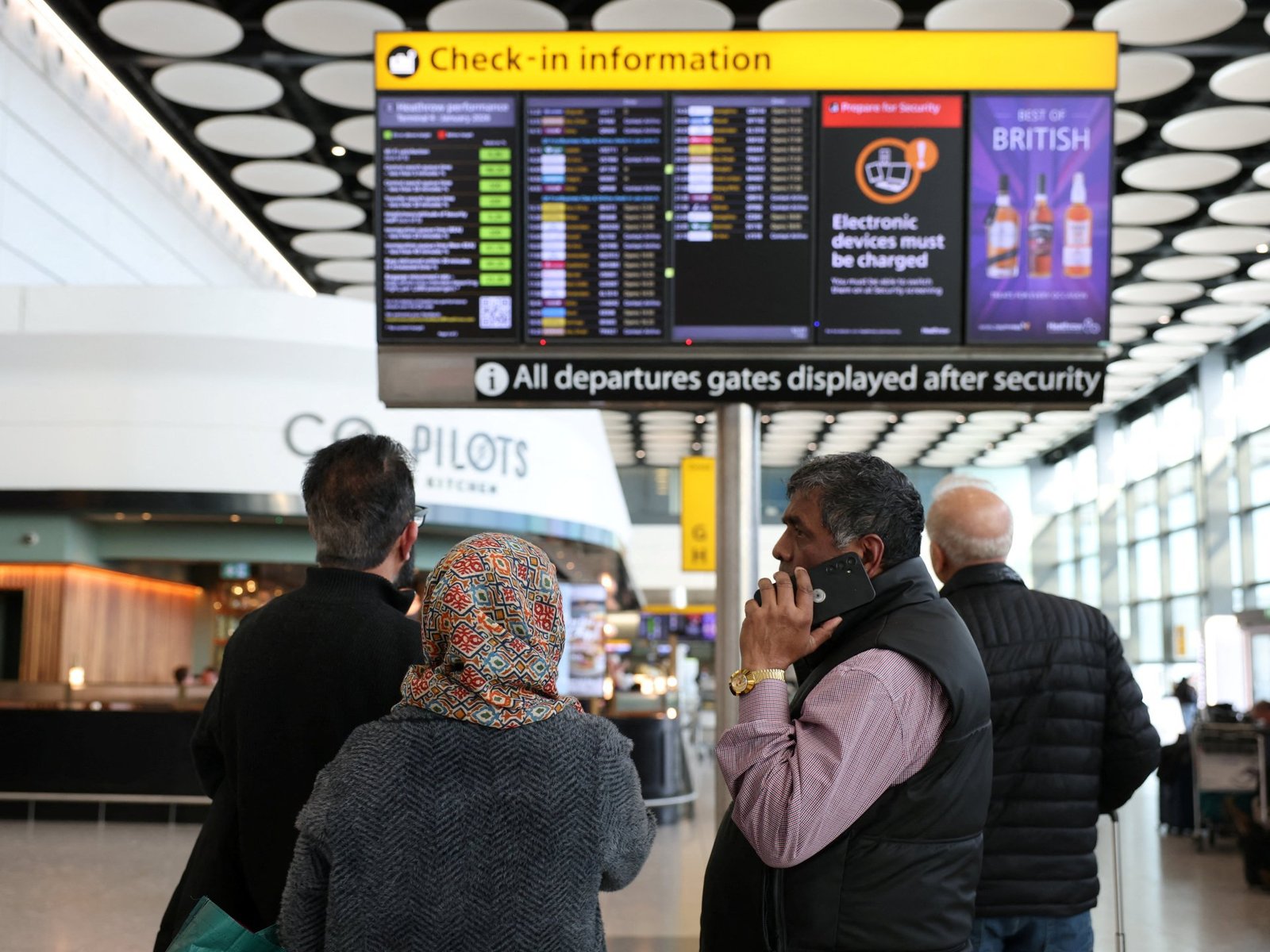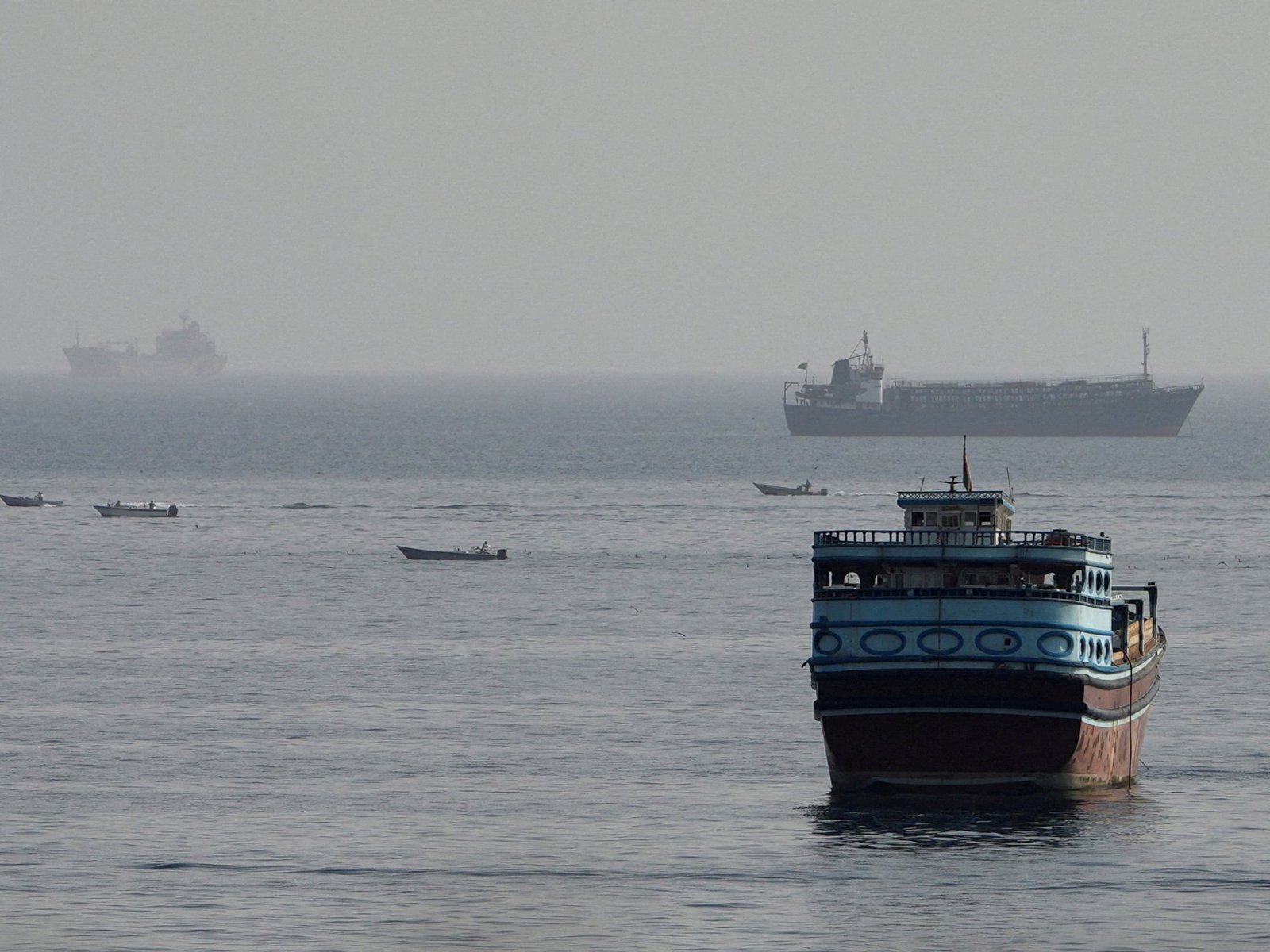
Under the proposed agreement Tehran would control inbound traffic according to reports
Understanding reached on coordinates for shipping route through Hormuz, Iran says
17m agoIsraeli strike that killed journalist in Lebanon was war crime, say rights groups
22m agoPakistan says it hopes Hormuz deal will lead to resumption of US-Iran talks
28m agoTehran would control Hormuz strait's inbound traffic in deal, according to reports
Welcome to our live coverage of the latest in the ongoing Middle East crisis.
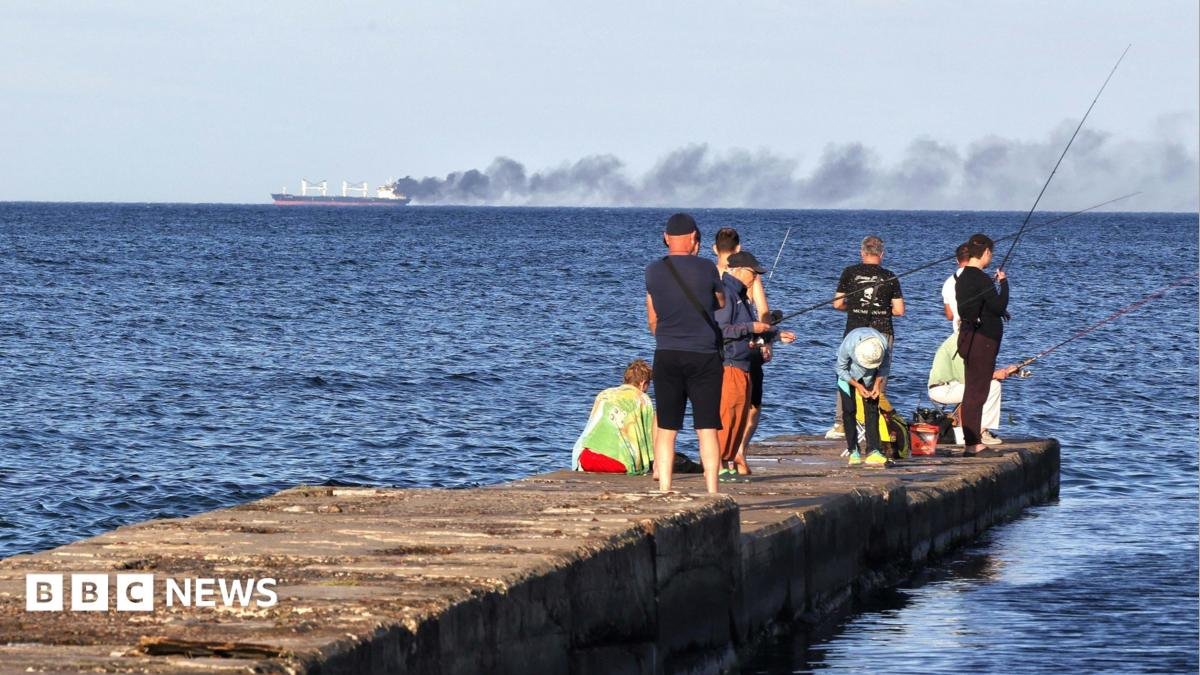
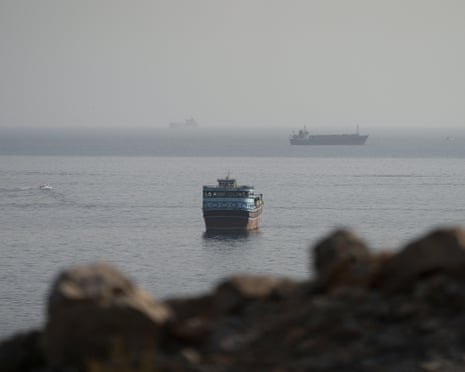
Iran said a deal with Oman to reopen the strait of Hormuz is close to being finalised, with reports suggesting Tehran would have control over ships entering the Gulf through the strategic waterway.
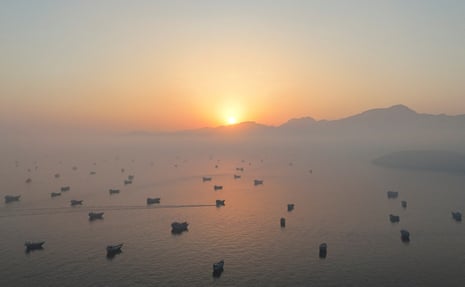
Both countries, which sit on opposite ends of the narrow strait, have been engaged in talks to jointly manage the key shipping route, which has been effectively closed since the start of the war in February. Iran has insisted the strait would not operate as it did before the conflict, as an open international waterway that carried about a fifth of the world’s oil and gas supply, as it seeks greater control over the flow of maritime traffic through the channel. Several media reports, citing sources familiar with the talks, suggest Oman would oversee outbound shipping through the strait.
But despite reports of potentially one of the biggest concessions yet to Iran, Reuters news agency said Iranian sources rejected US President Donald Trump’s claims that a deal to reopen the strait was imminent, saying important details were still to be agreed.
“The concession has already been made regarding some form of control over Hormuz,” one of the sources said.
Iran has also said that reopening the strait would hinge on the US lifting its blockade of Iranian ports.
Trump told Fox News earlier this week that talks over the strait were “moving along nicely”, adding that the strait “is going to be open very soon”.
Here’s our full report from last night on the proposed deal between Iran and Oman:
In Yemen, meanwhile, the Iran-backed Houthis said yesterday they had attacked two Saudi oil tankers with ballistic missiles, amid the group’s maritime blockade of the kingdom.
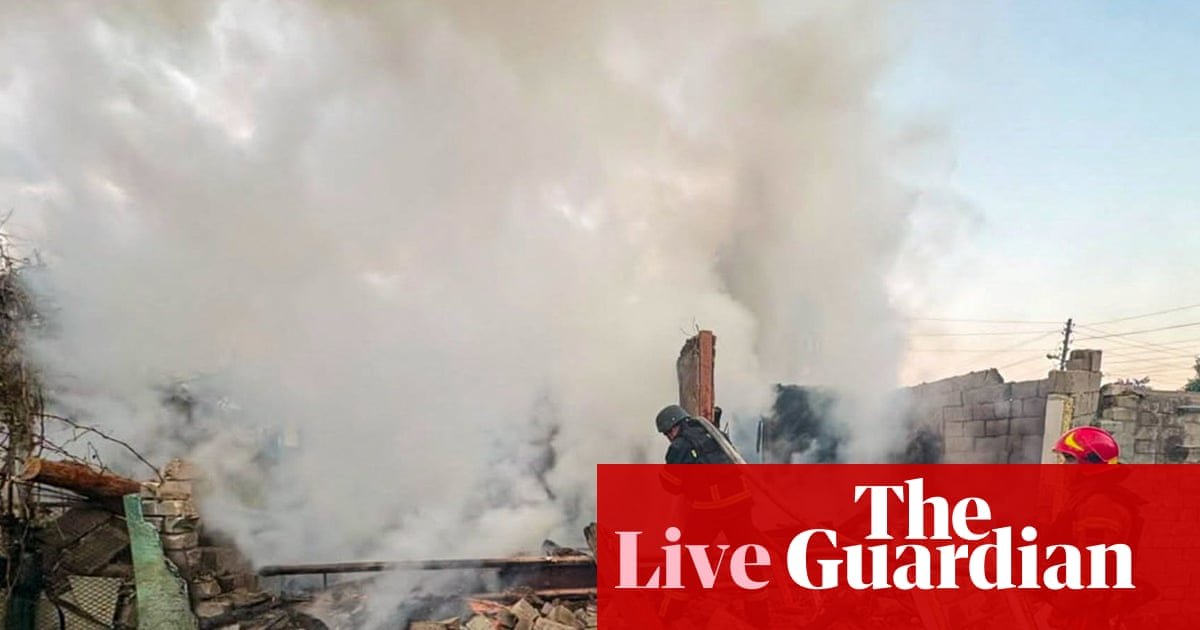
Two Israeli reserve soldiers were killed and four seriously injured in an explosion southern Lebanon, the military said this morning – the first Israeli deaths since the fragile truce between Israel and the Iran-backed militant Hezbollah in June. An Israeli military official told the Associated Press that “an explosion was detonated” when the soldiers entered a site in the village of Majdal Zoun and that the nature of the explosive was under review.
One person was killed and 12 wounded in an Israeli strike in the southern Lebanese town of Tebnine, Lebanon’s health ministry said. The Israeli military earlier told residents of the southern Lebanese village of Mansouri to evacuate – the first such order in more than a month – saying it was in response to a Hezbollah ceasefire violation.
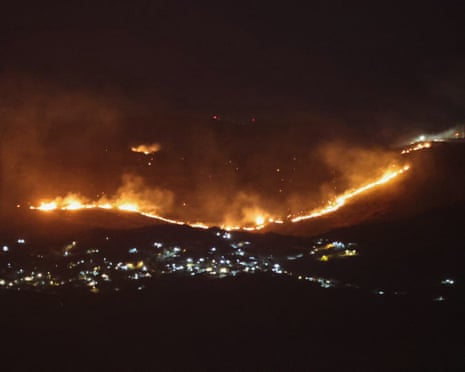
The escalations came despite ongoing US-backed talks in Rome aimed at ending hostilities. Israel requested that yesterday’s talks with Lebanon end three hours early, a source told AFP, saying the Israeli delegation’s head had blamed alleged “misleading leaks” by the Lebanese side. But the talks are expected to resume today for a third and final day.
A Houthi military spokesperson said its latest attacks targeted the eighth and ninth Saudi oil tankers since the start of its blockade last month. Saudi authorities had no immediate comment.
Shipping traffic through the Hormuz and Bab-el-Mandeb straits – the key maritime chokepoints in the Gulf – reduced significantly yesterday from the previous day, shipping data showed.
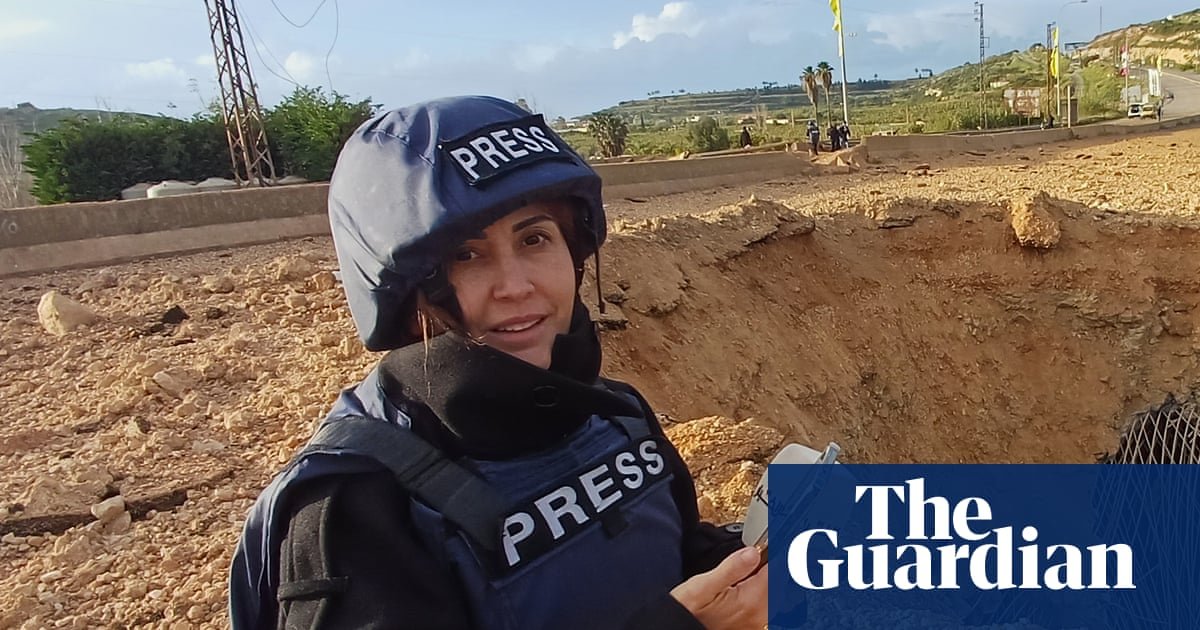
An Israeli strike that killed Lebanese journalist Amal Khalil and injured her colleague Zeinab Faraj in April was a war crime, three rights organisations said on Thursday.
Investigations from Human Rights Watch (HRW), Amnesty International and Legal Agenda showed that Israel deliberately and directly attacked Khalil and Faraj, with apparent knowledge that they were civilians. The organisations called for the attacks to be investigated as war crimes, while HRW called for states to halt arm sales to Israel and put targeted sanctions on Israeli officials responsible for ongoing crimes.
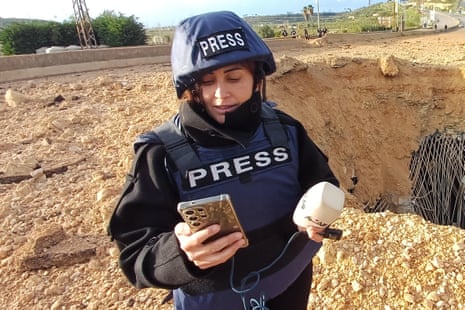
Deliberate attacks on civilians, which both journalists were, is a war crime. Israel has killed at least 15 journalists in Lebanon and 210 in Gaza since 2023, according to the UN human rights office.
The reports also indicated that Israel delayed Lebanese ambulances from reaching Khalil and Faraj for hours – at one pointing dropping stun grenades on Lebanese Red Cross workers and firing on their ambulances.
The delay in rescue might have led to Khalil’s death, as hospital reports indicate that she might have still been alive hours after an Israeli strike toppled a building on top of her and Faraj.
“The evidence is clear that the Israeli military knew, or should have, that Faraj and Khalil were civilians, but attacked them anyway, and then prevented paramedics from rescuing them for hours,” said Ramzi Kaiss, Lebanon researcher at Human Rights Watch.
Pakistan, which has played a key role in mediating talks between the US and Iran, said it hopes the Hormuz deal will pave the way for the resumption of talks under the memorandum of understanding signed by both countries in June.
“We hope that the agreement on the strait will pave the way for continuing dialogue, particularly the resumption of technical level talks between Iran and the United States,” foreign ministry spokesman Tahir Andrabi said at a press briefing today.
US-Israel war on Iran