Iran says Qatari mediators have travelled to Tehran as the country’s foreign minister urges the United States to accept Iranian conditions for reopening the Strait of Hormuz.
News of the talks came as the commander of Iran’s Islamic Revolutionary Guard Corps (IRGC) toured an underground missile facility on Saturday and the country’s president said Iran is facing a “silent economic war”.
Recommended Stories
list 1 of 3US targets Iran’s ship-to-ship transfers: Can Tehran break the blockade?
list 2 of 3Iran says it downed US drones over Hormuz as bid to end war remains stalled
list 3 of 3Qatar’s emir calls for diplomacy to end regional conflicts
A Qatari delegation visited Tehran on Friday night and held two hours of talks with Iranian officials, Deputy Foreign Minister Kazem Gharibabadi said, according to Iran’s semi-official Tasnim news agency.
“We are in contact with mediators, including the Qataris, both in person and virtually, and are holding the necessary discussions to see whether another opportunity can be given to diplomacy,” he said on Saturday.
The US and Israel attacked Iran on February 28, prompting Tehran to launch strikes against Israel and Gulf states hosting US military bases. The conflict has drawn in countries across the region, disrupted shipping and pushed up global energy prices.
Gharibabadi said the talks have not yet become formal negotiations. If they do, the technical details of Iran’s nuclear programme would be discussed, he added, but Iran’s position is that its enriched uranium must not leave the country.
He also said Iran regards the US economic blockade as an act of war and will “take any action necessary” to break it.
For his part, US President Donald Trump told Fox News on Saturday that he wants a “permanent” deal that stops Iran from getting a nuclear weapon. He said Iranian officials are “very, very difficult”.
“We make a deal, and then they break the deal the next day,” he added.
Reopening Hormuz ‘not difficult’
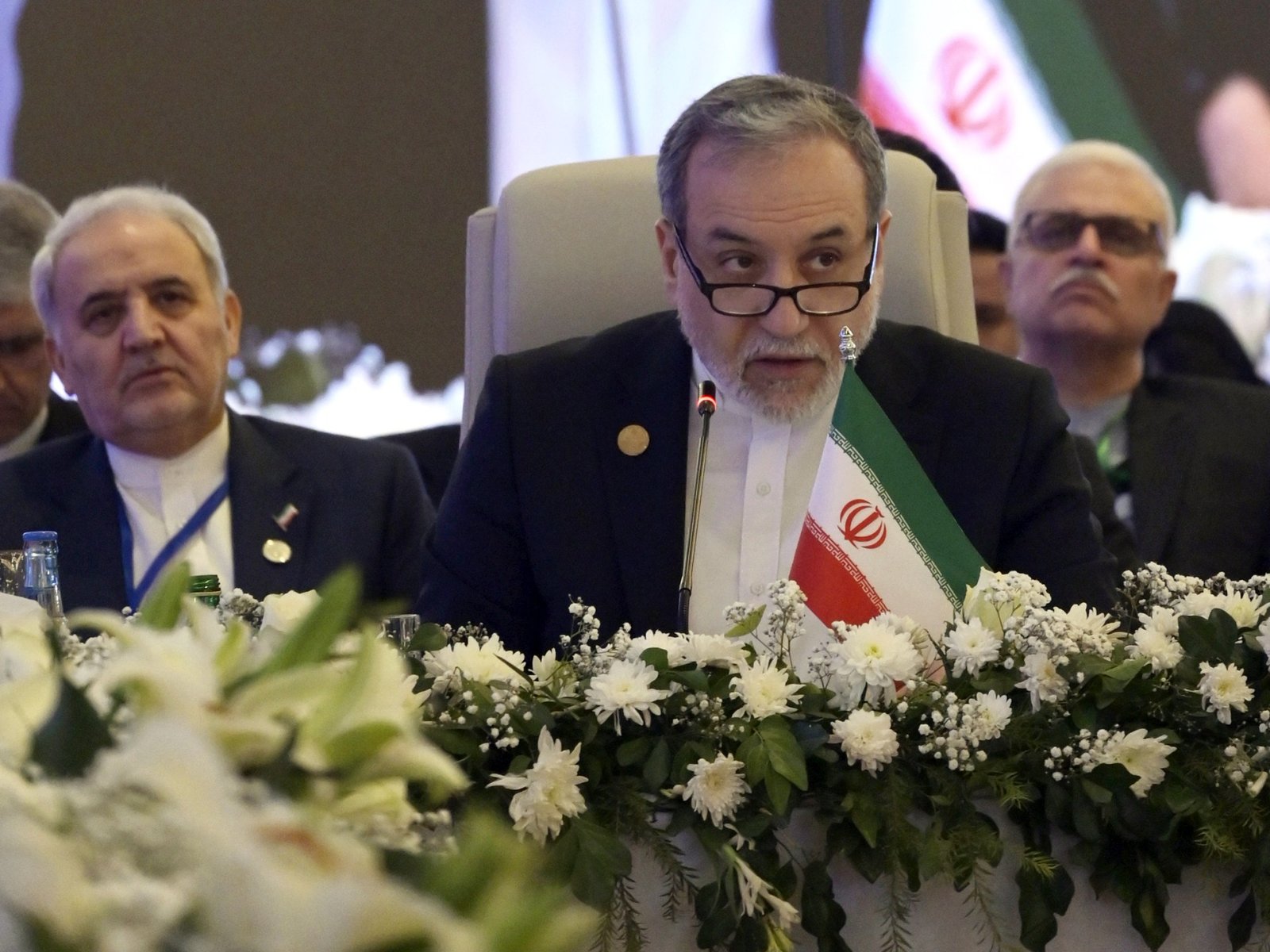
The ongoing talks in the region “must be given a chance, and the blockade must be lifted rationally,” Iran’s Foreign Minister Abbas Araghchi said on Saturday, according to state television.
“Our position is clear: as long as Iran’s demands are not met, the discussion on the Strait of Hormuz and its opening is pointless,” he said.
“At the same time, we have always affirmed our readiness for dialogue, just as we are ready to defend ourselves.”
Iran’s conditions have included ending the war on all fronts, unfreezing Iranian assets, lifting oil sanctions and ending the US counter-blockade of Iranian ports.
Araghchi also said reopening the strait is “not difficult”, and requires the US only to “accept reasonable conditions that are in accordance with international law”, Tasnim reported.
The minister said there is “no solution” unless Washington acknowledges its mistakes and fulfils its previous commitments.
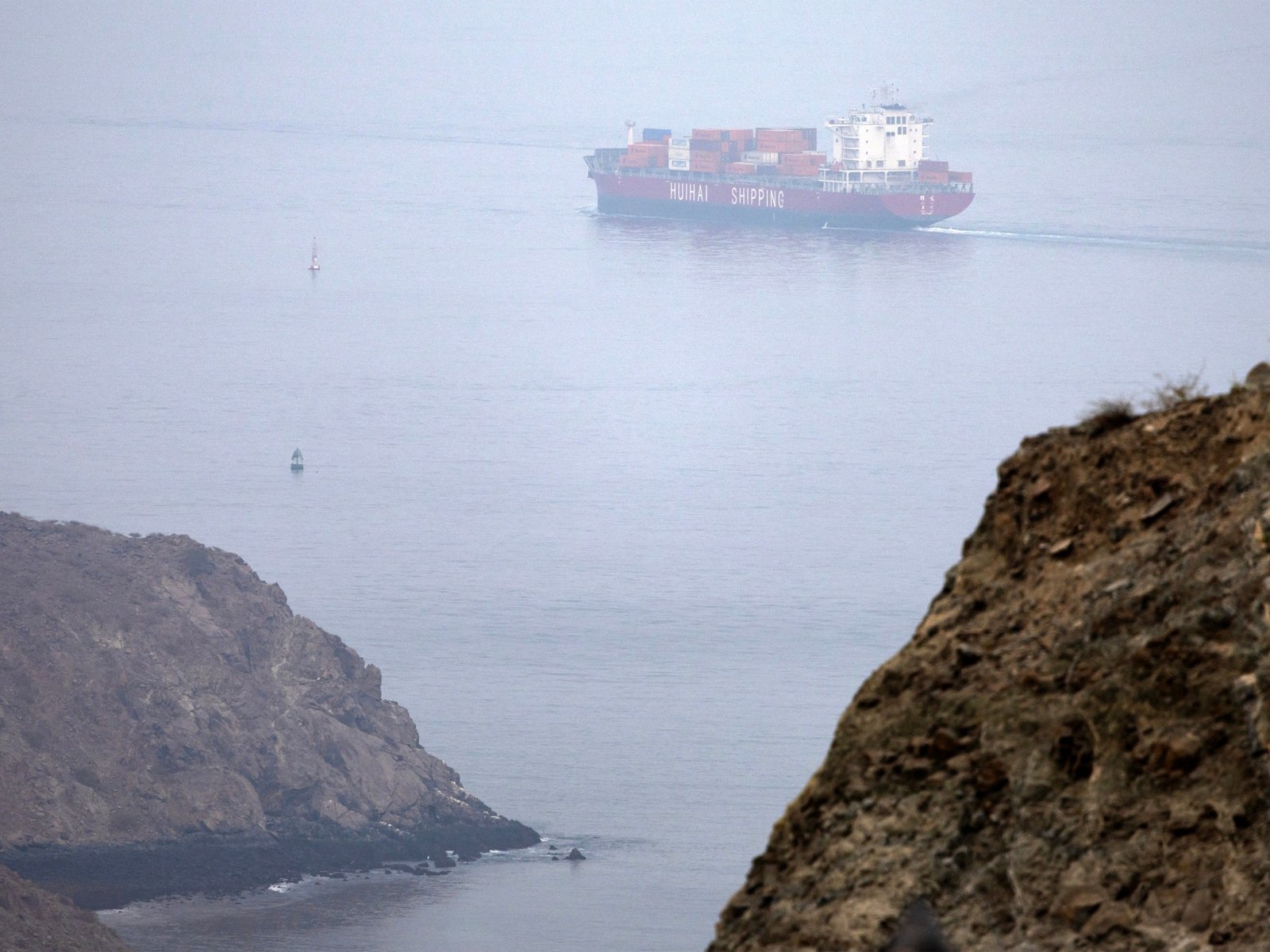
Iran has restricted shipping through the strait, which normally carried about a fifth of the world’s oil, since the war began. The US has imposed a naval blockade on Iranian ports in response.
‘Silent economic war’
Iranian President Masoud Pezeshkian said on Saturday that his country is facing a “silent economic war” that is “tougher than a war with missiles”, according to the state news agency IRNA.
Pezeshkian told a meeting of investors and producers that “a group of bullies, oppressors, and coercers sought to bring down our country”, but that Iranian businesses had managed market conditions well.
He said the government was working to avoid power cuts over the winter.
Meanwhile, IRGC commander Major-General Ahmad Vahidi toured an underground missile facility, accompanied by Brigadier General Majid Mousavi, who heads the IRGC Aerospace Force, Tasnim reported.
Vahidi was briefed on the force’s readiness and recent developments in its missile programme.
The visit follows the Aerospace Force’s unveiling of a new underground facility earlier this month, where it displayed ballistic and cruise missiles and their launchers, Tasnim said.