Take it outside: digital tools can encourage us to spend more time in nature.
How gadgets, apps and tips could actually reduce your screen time It’s often thought of as the problem, but what if the right technology could help us switch off and live more in the moment?
The best screen-free activities With the continued backlash against AI and growing concern about our reliance on screens, an analogue life has never looked so appealing.
I haven’t gone so far as to get myself an analogue bag just yet, but I have done a relatively complex puzzle and read five physical books this year, which is already two more than in 2025.
But it also struck me recently that I have, somewhat conversely, been using digital tools to do a lot of analogue activities.
What if tech could help us live more in the present and reduce our screen time, while benefiting our physical and mental health in the long run?
With that in mind, here are six ideas for leading a more analogue life – with a little help from tech.
How to lead a more analogue life Identifying birdsong Call of the wild: learn to recognise birds by sound.
While I have a huge stash of bird books, I have never been able to grasp the whimsical descriptions of how they sound, such as “zuz”, “ch-ch-si-si-si” or “tu-reep”.
Last year, however, I discovered the Merlin app, which has transformed my hobby into something rather beautiful.
The app, which is free and was developed by the Cornell Lab of Ornithology, lets you record what you hear and then suggests which birds are chirping nearby, using your location as a guide.
It turned out that I had been misidentifying wrens, blackcaps, willow warblers and dunnocks as robins for four decades.
Now I know what they sound like, I have a better chance of spotting them, which is not always easy with the sometimes elusive blackcap.
I like to spend five minutes in the morning and evening sitting still in the garden or by an open window, allowing the app to help me identify and enjoy birdsong.
Merlin has also spurred me to take my dogs on more interesting forest walks because the denser the trees, the more interesting the birdsong.
Exploring new trails On the right track: use tech to discover new routes.
Photograph: Justin Paget/Getty Keeping an eye on my step count has undoubtedly helped me to be more active, but those who fancy more than my brisk woodland walks may benefit from more than the built-in health app that comes with many smartphones.
“I love to use Strava heatmaps to explore new areas.
It’s especially useful when I see a trail that looks fun, but don’t know where it leads or if it’s just an animal track,” says Flora Beverley, an ultramarathon runner and content creator.
She adds that heatmaps build confidence because you know roughly where you’ll end up: “It means I can get myself lost on a run and know I can still find my way back.
Also, once you’ve used it for a bit, it becomes easy to see the hallmark of ‘fun’ trails – twisty, windy, on a hill, great views – just by looking at the map.
Wherever I travel, I always know where the good trails are and can go off-roading.” Getting better at crafts Stitch by stitch: video guides can help you master a new craft.
I’ve been meaning to join a knitting club for years, but since this is apparently never going to happen, using the brilliant video tutorials on the brand’s website was the next best thing.
Of course, I spent most of my needle time looking at my knitting, not at a screen, but whenever I got stuck, it was like having a friendly, skilled and very young grandmother on hand to help.
I would have given up on the project without this visual aid, and it gave me the confidence to make another, much better version of the bonnet when I had finished the first one. skip past newsletter promotion after newsletter promotion Learning to drum Stick with it: picking up a new skill, one beat at a time.
I am taking lessons with a real person on their acoustic drum kit, but I have gone digital alongside this both to improve more quickly and to play when my husband is in the room next door watching reruns of House without disturbing him (too much).
My secondhand electric drum kit (mine was sourced secondhand from my 83-year-old dad’s bandmate, no less) can be played through headphones and attached to my iPhone so I can drum along to songs or, even better, learn from video tutorials on YouTube.
Thanks to six years of playing the violin as a child, I am able to read music, so I can get lost in it for hours at a time.
Long term, the plan is to progress to my own acoustic kit (advance apologies to my neighbours – I will be considerate) and maybe even start gigging.
It doesn’t get more analogue than hitting things with sticks on a stage, after all.
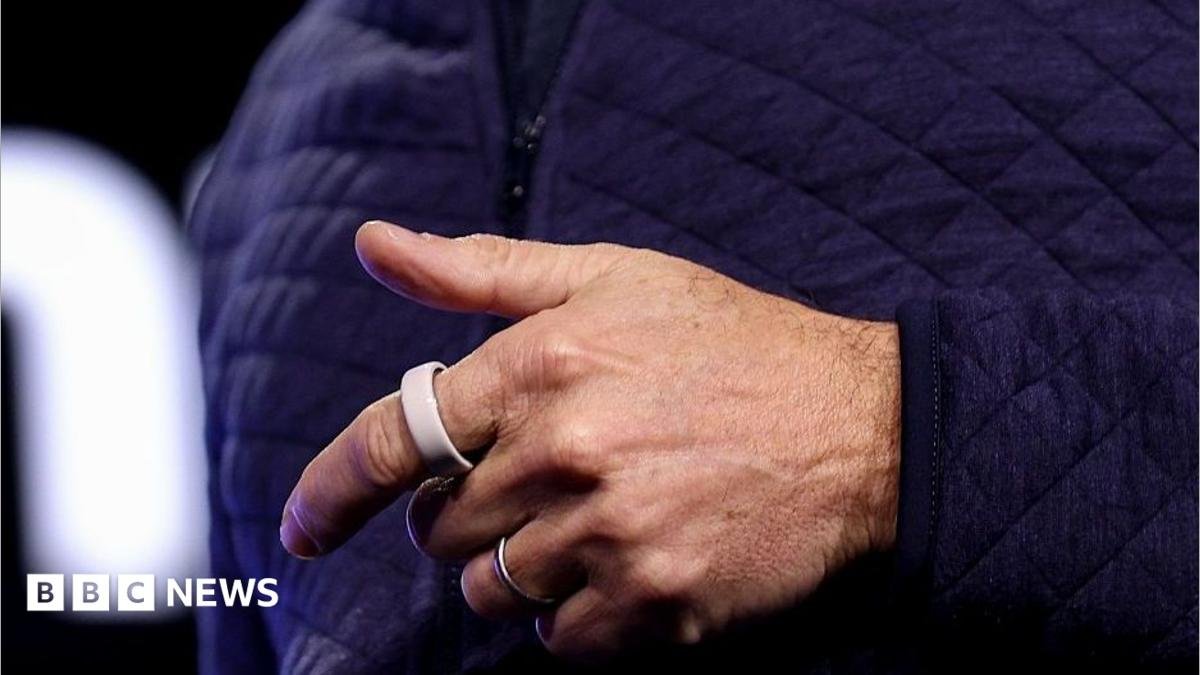
Getting the nudge to go outside Functional accessories and wearable tech are getting more good looking, with jewellery-style products, such as Loop’s Swarovski earplugs and Oura’s rings, which track sleep, steps and heart rate.
I’ve never been a fan of smartwatches – is there anything more annoying than the person next to you in a yoga class checking their messages when they should be relaxing into their breath work? – but I do like the subtlety of a ring, particularly since my step count is often out of kilter with my phone because I don’t carry it everywhere with me.
For more, read technology expert Samuel Gibbs’s pick of the best running watches Understanding plant life Know your weeds: plant ID apps can help you decide what stays and what goes.
Photograph: fermate/Getty Keeping your garden wild is all well and good, but you could end up with some pretty nasty plants popping up – a particular risk for children or pets.
I’m far more likely to take my phone outdoors than a hardback book, so thanks to the PictureThis app, I can more easily distinguish my hemlock water dropwort (deadly) from my wild carrot (not deadly), and even my creeping buttercup (a thug) from my field buttercup (a real beauty).
In turn, I am able to spend time doing selective weeding, taking out the plants I really don’t want and keeping those that will benefit the ecosystem (and aesthetics) of my garden, such as the native pussy willow that took up residence this year next to the barbecue.
For more, read our roundup of the best screen-free, calming activities Hannah Rochell is a journalist who specialises in writing about – and experiencing – a slower, more sustainable lifestyle, which she documents on her Substack Slowette.
This involves everything from switching to eco-friendly cleaning products and advocating for dehumidifiers instead of tumble dryers, to shopping exclusively at responsible fashion brands and learning to sew Explore more on these topicsLife and style The Filter Gadgets Apps Hobbies Gardens Knitting Craft features Share Reuse this content