Many of us begin Navratri believing that cutting out grains, onion and garlic automatically makes our meals healthier. When it comes to heart health, however, this is only part of the picture. While fasting can offer certain health benefits, what you choose to put on your plate matters just as much, if not more, than what you leave out.
In a conversation with HT Lifestyle, Dr Sunil Kumar Mandal – senior consultant interventional cardiologist at Kailash Hospital, Greater Noida – breaks down how a conventional Navratri fasting platter can affect heart health and shares practical ways to make it more heart-friendly.
Fasting-friendly foods that quietly strain the heart
Many popular fasting snacks use ingredients that have been deep fried and starchy. Dr Mandal points out, “Things like Kuttu puri, singhara puris, sabudana vada, aloo chaat, fried makhana, and packets of banana chips can be consumed on a fast, but can also contain a large amount of refined carbs, salt, and oil.”
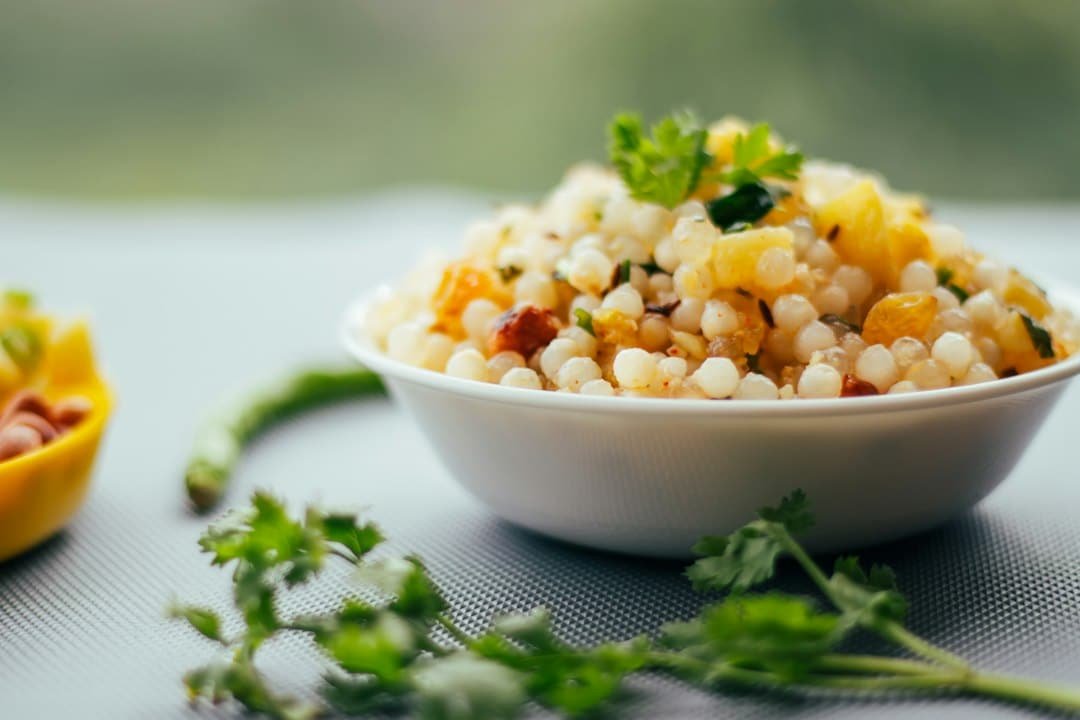
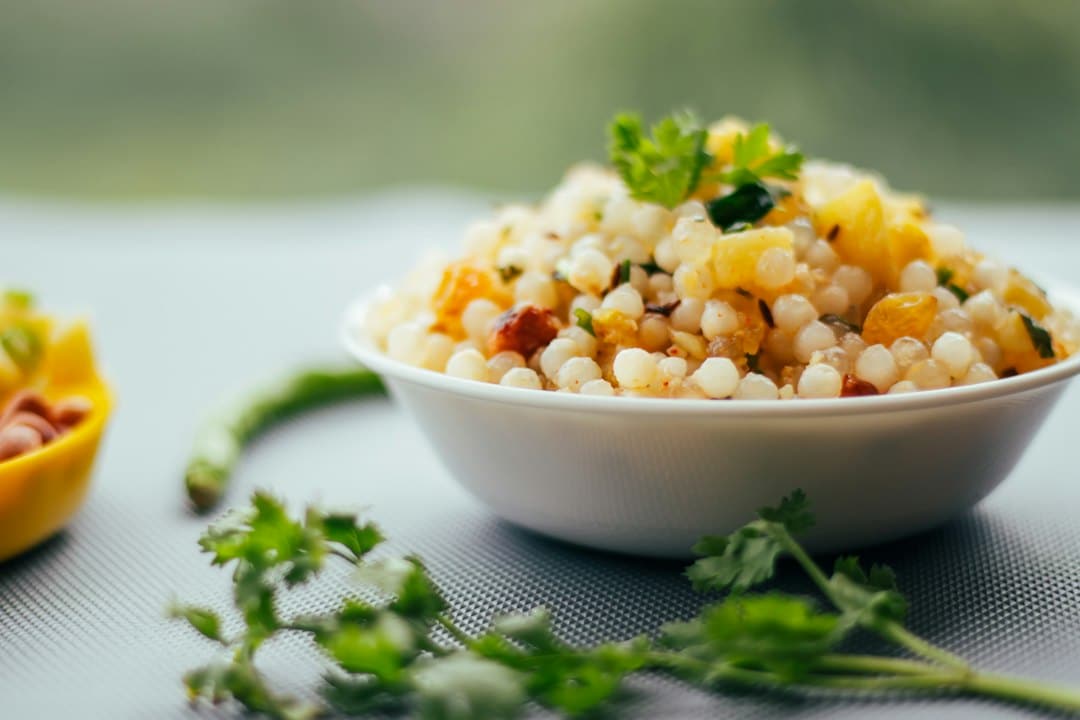
“Another ingredient is sabudana. It is pure starch with a very low protein and fiber content. Deep fried potatoes are also fasting foods and can add even more of a fasting food burden when eaten in larger quantities,” he adds.
Moreover, the sweets that accompany these dishes during the festive season, including halwa, barfi, and milk-based drinks sweetened with kheer, also contain sugar and fat. According to the cardiologist, eating a lot of sugar and fat for nine days can raise the levels of sugar and triglycerides, particularly for individuals who are diabetic or at risk of becoming diabetic.
The overall effect of the festive season
Dr Mandal explains, “Infrequent meals paired with heavy, deep-fried meals creates a chaotic, unpleasant routine. Lack of hydration compounds this. In slightly thicker blood, lower blood pressure is observed and can cause light headedness and even black outs, more commonly in those taking medications for high blood pressure or water pills.”
Heart-friendly Navratri plate
According to the cardiologist, fasting-friendly foods, unlike unhealthy junk, can also be good options for healthy eating. He outlines the following options you can incorporate in your Navratri platter:
Fibre and antioxidants are found in fresh fruits and vegetables.
Fox nuts (makhana) become low-sodium, low-calorie, tasty and satisfying snacks if you roast them without using too much oil.
Almonds, walnuts, and pumpkin seeds give a long-lasting feeling of fullness, while also providing healthy fats.
Good options for protein and sustained energy are curd, paneer and buttermilk.
Coconut water and lemon water are the best options for hydration, because fasting requires a lot of fluid intake.
Who needs extra care?
Dr Mandal emphasises that if you have diabetes, high blood pressure, heart problems, or kidney issues, talk to your doctor before starting a fast. If you’re older or pregnant, make sure to check with your doctor first.
Fasting might mean changing when you take your medications, and in some cases, it's not recommended at all. Never stop or skip your medications without asking your doctor first. “If you feel dizzy, have chest pain, notice your heart is racing, or have trouble breathing for no reason, get medical help right away while you’re fasting,” he stresses.
The cardiologist concludes, “Faith and health can go together. Fasting can be a chance to reset habits, but only if the food on your plate supports it. This Navratri, look beyond the label of ‘vrat food’ and ask whether it is really good for your heart.”
Dr Sunil Kumar Mandal is a senior consultant interventional cardiologist at Kailash Hospital, Greater Noida. He holds an MBBS, MD in General Medicine and DM in Cardiology, with expertise in cardiovascular care and interventional cardiology.