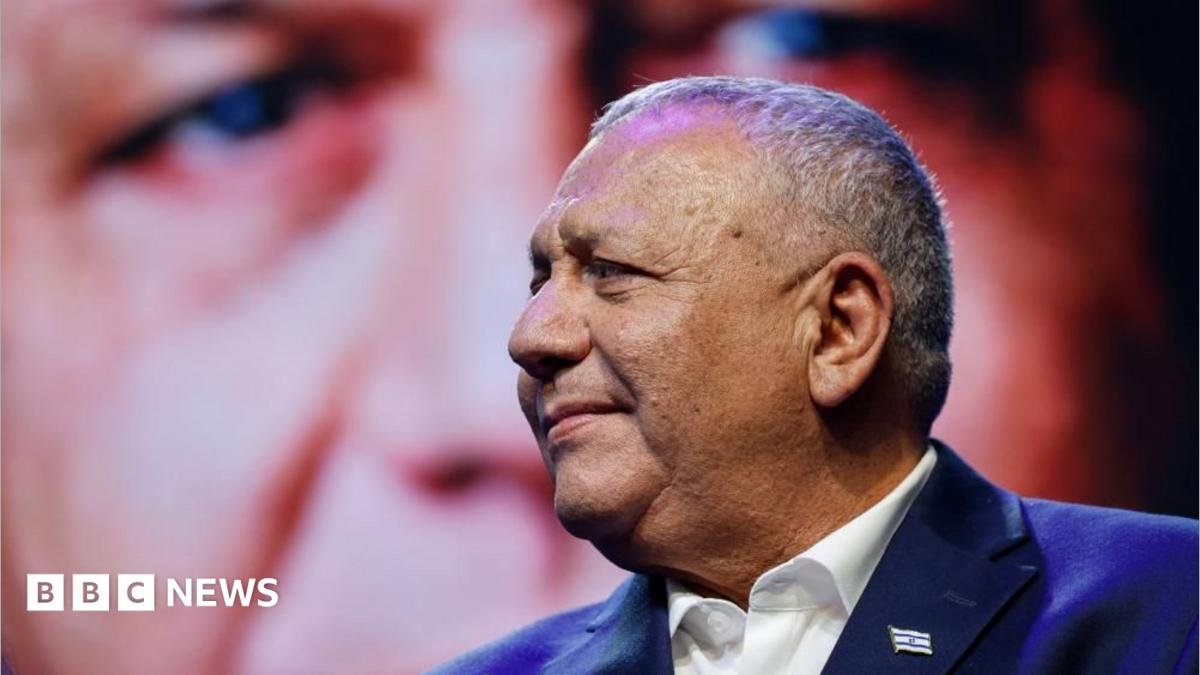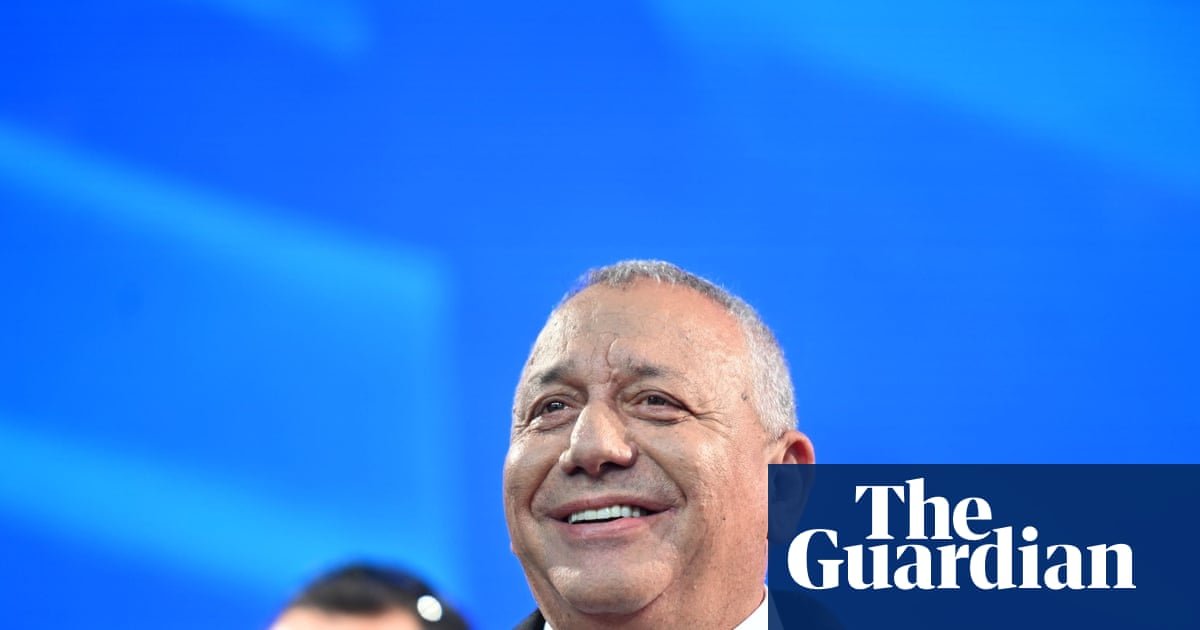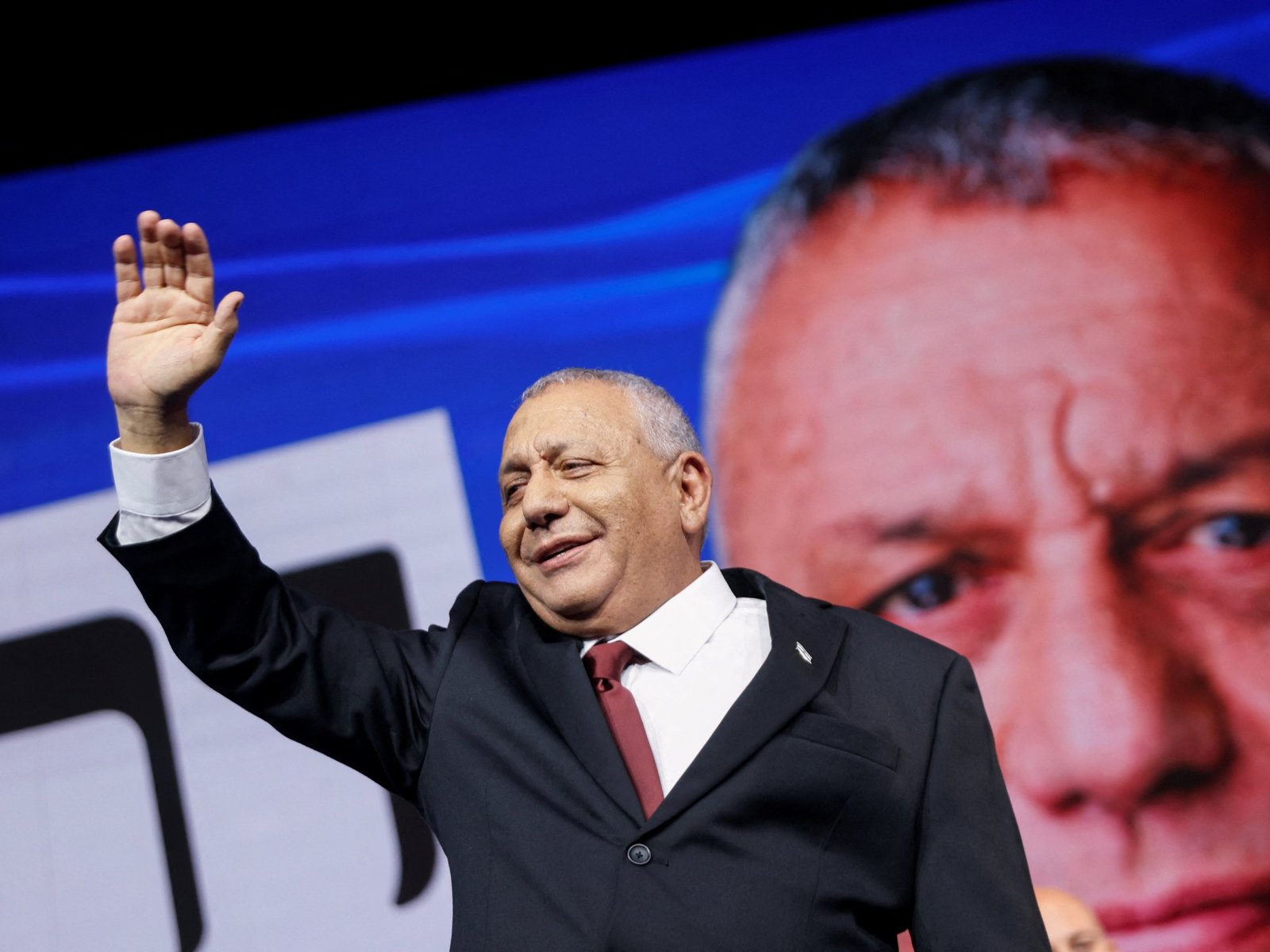
Israel’s President Isaac Herzog has tasked Gadi Eisenkot with forming the country’s next government, passing over the former army chief’s rival, Benjamin Netanyahu.
Herzog told Eisenkot of his decision on Saturday evening and will formally hand him the mandate at a ceremony on Sunday, the president’s spokesperson said.
Recommended Stories
list 1 of 3Jerusalem Daily: Arab parties back Eisenkot against Netanyahu
list 2 of 3Palestinian citizens of Israel put to ‘loyalty test’ after election wins
list 3 of 3President Herzog faces key choice as Israel struggles to form government
Herzog held consultations with political parties this week to decide who he would appoint to form a government after neither side secured a majority in the October 27 general election.
Some 67 lawmakers, including from Arab-led parties, endorsed Eisenkot, leader of the Yashar party, to form the next government, while only 46 backed Netanyahu, the current prime minister.
Eisenkot will have 28 days – with a possible 14-day extension – to build a coalition of at least 61 of the Knesset’s 120 seats, the minimum threshold for a government.
In the October election, Eisenkot’s four-party alliance won 48 seats, while Netanyahu’s right-wing and religious bloc secured 53, leaving both short of the 61 needed for a parliamentary majority. Arab-led parties, representing Palestinian citizens of Israel, won a record 19 seats.
Eisenkot has ruled out forming a government with the Arab-led parties, which would give him a 67-seat bloc. Winning over the two ultra-Orthodox parties, United Torah Judaism and Shas, would give him exactly 61 seats.
He could also form a government with fewer than 61 seats if he wins a parliamentary confidence vote.
Al Jazeera’s Nour Odeh, reporting from Ramallah in the occupied West Bank on Herzog’s decision, said the president “took the predictable route” in selecting Eisenkot, as he had the highest number of recommendations.
“The hard work will begin now for Eisenkot to put together a government that can pass a vote of confidence at the Knesset that: one, will not break too many of the promises he made on the campaign trail; and two, that can survive the opposition of the right-wing bloc led by Netanyahu,” Odeh said.
If Eisenkot fails to form a government within the allotted time, Herzog will nominate another candidate. If the second nominee fails, a parliament majority can back a third candidate, who will be granted a final 14 days.
If, once again, no government is formed, a new election will be called within 90 days, with Netanyahu staying on as a caretaker prime minister.
United against Netanyahu government
Eisenkot led Israel’s military from 2015 to 2019 and sat as an observer in Netanyahu’s war cabinet for the first eight months of Israel’s genocidal war on Gaza, which began in October 2023.
Ahmad Tibi, a senior member of the Joint List – a coalition of Arab-led parties that holds 11 seats – told Al Jazeera on Saturday that Herzog’s decision was “expected”.
“We were concerned that the president would move towards a national unity government,” he said, referring to a proposed power-sharing agreement between Eisenkot and Netanyahu.
Instead, Arab-led parties endorsed Eisenkot for the mandate, granting him a “considerable margin”.
Tibi said he believes Eisenkot is headed for a minority government “with external support from the Arab parties”.
While this would not be a “dream government” for Arab-led parties, Tibi prioritised bringing down “the government of Netanyahu, [Itamar] Ben-Gvir and [Bezalel] Smotrich”.
Hours before Herzog’s decision, Netanyahu had warned that a government formed by the opposition bloc with support from Arab-led parties would lead to Israel’s collapse.
“Such a government, dependent on Islamists, will dismantle the state of Israel from within, as is happening in European countries, and far worse than that,” Netanyahu said in a prerecorded video speech, echoing the language of far-right politicians who falsely claim parts of Europe have come under Islamic law.
Netanyahu “described us as supporters of terrorists and terrorism”, Tibi said. “My response to him is this: Netanyahu is the biggest terrorist in Israel and the region, and the foremost supporter of terrorism, particularly Jewish terrorism in the West Bank and the Palestinian territories.”
Al Jazeera’s Odeh noted that although Eisenkot has expressly said he does not wish to form a government with Arab-led parties, “they both share quite compelling reasons to get rid of Netanyahu”.