The High Court of Karnataka has directed the State government to immediately rectify technical flaws related to the Kaveri 2.0 registration portal that have brought transactions of properties under perpetual leaseholds to a halt in several parts of the State, particularly the Belagavi region.
Observing that a technical mapping defect in Kaveri 2.0 cannot be used to reject the substantive property rights of citizens holding perpetual leases to transfer their property through registration, the court has given two months’ deadline to the authorities to make way for registration by rectifying technical difficulties.
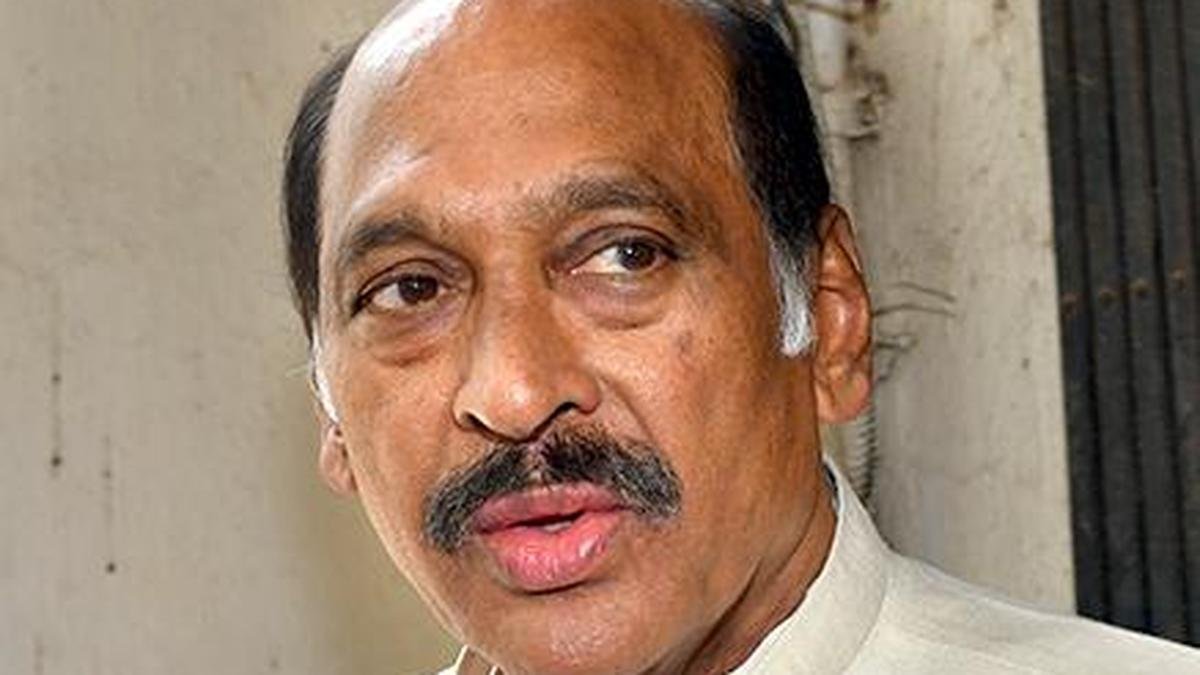
Justice Sachin Shankar Magadum issued the directions while allowing a petition filed by Gopalrao Kukdolkar, a Belagavi-based builder and developer.
Unable to register
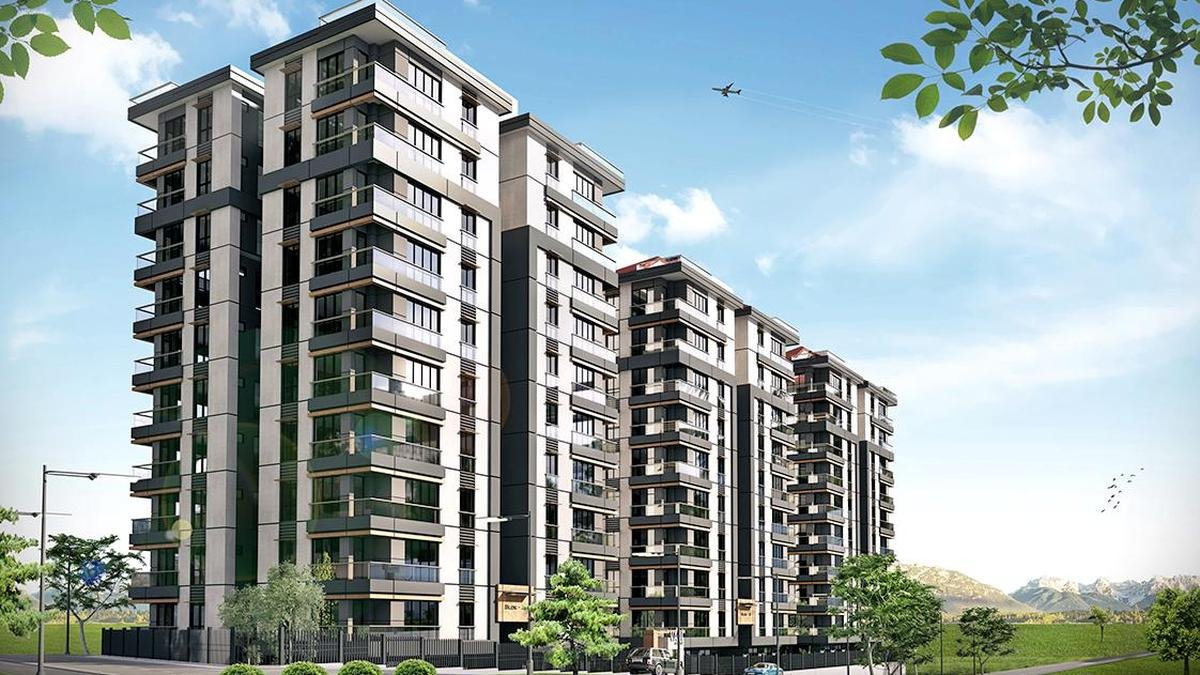
The petitioner, who had constructed an apartment complex of 34 flats on land held under a perpetual lease, was unable to register 13 flats after the introduction of the Kaveri 2.0 system. While 21 flats had been registered earlier without issue, the new software flagged the same property because the municipal records mapped to Kaveri 2.0 reflected the original lessor as the “owner”, and the petitioner, who held property under perpetual lease (Nirantara Patta), only as a “holder/tax payer”.
“The State authorities cannot, by reason of a technical deficiency in the software or the existing property data-mapping mechanism, render a legally recognised and transferable leasehold interest incapable of being conveyed,” the court observed.
.
Relying on communications exchanged between registration authorities and the State government, as well as representations made by CREDAI-Belagavi, the court found that many properties in the Belagavi region are held under Nirantara Patta/perpetual leasehold arrangements.
These communications indicated that the existing API mapping of properties sends the original owner’s name to Kaveri 2.0 instead of the leaseholder’s name, preventing registration of genuine transactions, the court said while pointing out that registration officers themselves have written to State authorities about difficulties in registering such properties due to technical constrains in the Kaveri 2.0 software and not due to questions over legality of the properties.
Observing that the issue affects an entire class of properties and not just one builder, the court said citizens should not be forced to approach the High Court individually because of a technological defect in the government’s portal.
Two-month deadline
The court directed the authorities to amend the mapping of e-property records and the Kaveri 2.0 interface within two months so that the names of the perpetual leaseholders are transmitted to the Kaveri 2.0 system. In case of failure to rectify technical difficulties, the court ordered that the jurisdictional sub-registrars manually register the sale deeds of properties.