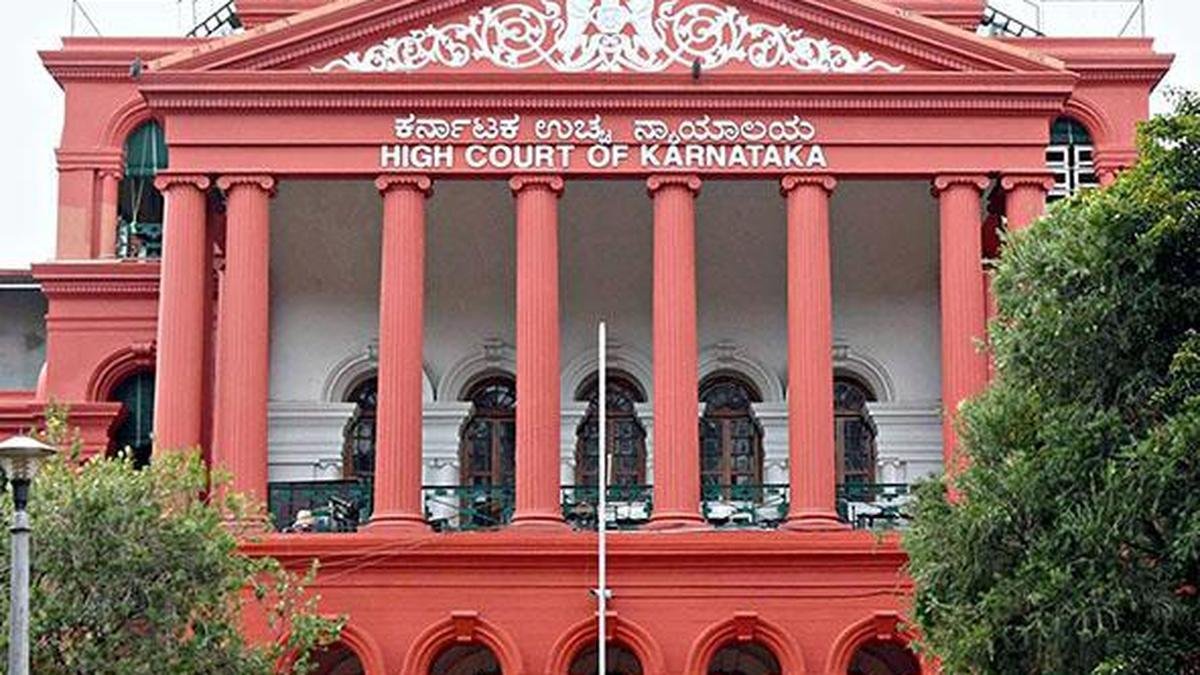
The High Court of Karnataka has questioned why Chintamani MLA and former Higher Education Minister M.C. Sudhakar and his brother, M.C. Balaji, were not arraigned as accused in an alleged land grab case against their father, former Home Minister Chowdareddy, despite being named as direct beneficiaries of the encroached government land in the complaint.
While refusing to quash the First Information Report (FIR) registered against Mr. Chowdareddy and others on April 11, 2017, by the erstwhile Anti Corruption Bureau on a complaint lodged by one R. Venkataramana of Chintamani on April 24, 2016, the court directed the Lokayukta police to complete the investigation within six months while pointing out that the probe was stalled since April 20, 2017, in view of an interim stay granted by the court.
Justice M. Nagaprasanna passed the order while dismissing the petitions filed by Mr. Chowdareddy, now 89, and B.H. Narayanappa, then Commissioner of Chintamani City Municipal Council.
“Though the material prima facie discloses that Mr. Balaji and Dr. Sudhakar were direct beneficiaries, both stand conspicuously absent from the array of accused. How alleged beneficiaries remain outside the dragnet of crime is a matter that raises serious concern,” the court said.
Case background
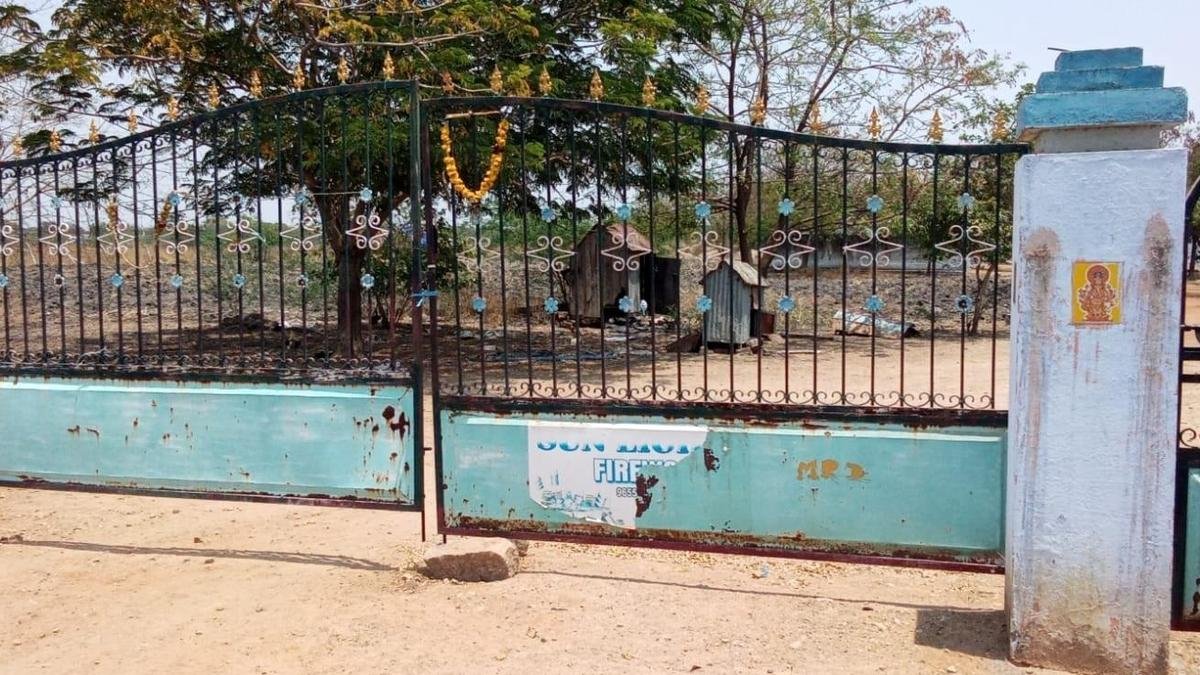
The land in question is one acre 19 guntas in survey number 11 of Kannampalli village in Chintamani taluk, which has been classified as government “Hullu Banni Kharab” land, which was adjoining Mr. Chowdareddy’s private land in survey numbers 12 and 13.
Referring to revenue records, partition deeds and official reports, the court noted that survey number 11 had remained government “B Kharab” land from 1965-66 till today, even in 2026.
After Mr. Chowdareddy became an MLA in 1989, the court noted that his sons got their private land in Survey numbers 12 and 13 converted in 1993 and discreetly developed residential sites by using land in survey number 11 and sites formed across all three survey numbers were later shared among the father and sons under a 2000 partition deed.
Later, Mr. Chowdareddy and Mr. Balaji executed an unregistered General Power of Attorney in favour of the Government Employees House Building Cooperative Society, empowering it to sell sites formed in survey numbers 12 and 13, while the layout engulfed even land in survey number 11, the court noted.
“The government land appears to have been treated as ancestral property, partitioned among family members and traded as private property,” the court observed.
All these transactions came to light in 2014 when the complainant, after becoming a councillor, discovered that survey number 11 continued to be recorded as government land.
Initial denial
Interestingly, in 2015, Mr. Chowdareddy denied encroaching on any government land and stated that he and his sons would vacate it if they were found to have occupied such land by mistake. However, in their subsequent written reply to the encroachment removal notice, they claimed adverse possession over the government land in survey number 11, alleging that Mr. Chowdareddy’s father Anjaneya Reddy had occupied it since the 1950s.
Investigation, in this case, is not merely warranted but is indispensable, the court said.