Sini Jaleel, 48, a senior gynaecologist at the District Government Hospital at Perinthalmanna in Malappuram, was brutally attacked on April 2 this year by a group of women relatives of a patient who had died after childbirth due to postpartum haemorrhage nine days earlier. Dr. Jaleel was left with a fractured nose and other facial injuries.
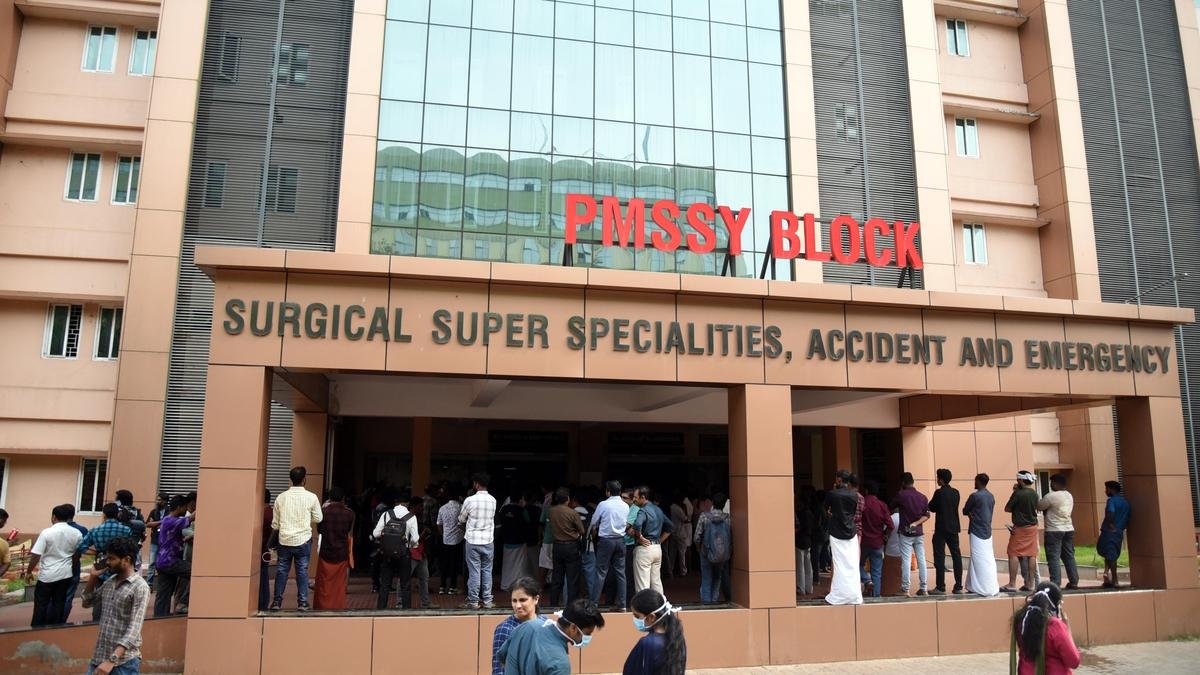
At least five women who sought treatment at the Government Women and Child Hospital, Alappuzha, were reportedly referred to the Government Medical College Hospital in the district earlier this month. The referrals allegedly included patients who did not have serious medical conditions, prompting heated arguments between patients’ attendants and the hospital authorities.
Though unrelated, the two incidents highlight a deeper problem confronting Kerala’s public health system: a severe shortage of specialist doctors under the Directorate of Health Services. According to RTI data from the Health department, government hospitals face a shortage of at least 280 specialist doctors.
Sources say that over 50 government hospitals in the State, which have delivery points, lack enough human resources to conduct the procedures. They say that each delivery point should have seven specialists each in gynaecology, paediatrics and anaesthesia to provide round-the-clock services. At the Alappuzha hospital, there are only four gynaecologists though it requires seven. Instead of at least two anaesthetists, there is only one on duty. If that doctor goes on leave, even C-section surgeries get postponed.
The RTI data available with the Kerala Government Specialist Doctors’ Association (KGDSA) reveal that in the gynaecology section, five of the 11 sanctioned posts of senior consultants are vacant in government hospitals across the State. Twenty-three of the 131 sanctioned posts of consultants and 24 of the 230 sanctioned posts of junior consultants are empty too.
In general medicine, 25 of the 87 sanctioned posts of consultants are vacant. Twenty-two of the 66 sanctioned posts in general surgery, 20 of the 108 posts in paediatrics, and 14 of the 39 posts in ENT in this category are empty. The RTI data also say that there has not been much of an increase in the sanctioned posts in most of the categories, except for junior consultant posts in some specialities, between 2018 and 2025. In gynaecology, the sanctioned posts of junior consultants went up from 225 to 230 and in general medicine, there was a rise from 133 to 152. In general surgery, the posts went up from 87 to 98 and in anaesthesia, from 119 to 148.
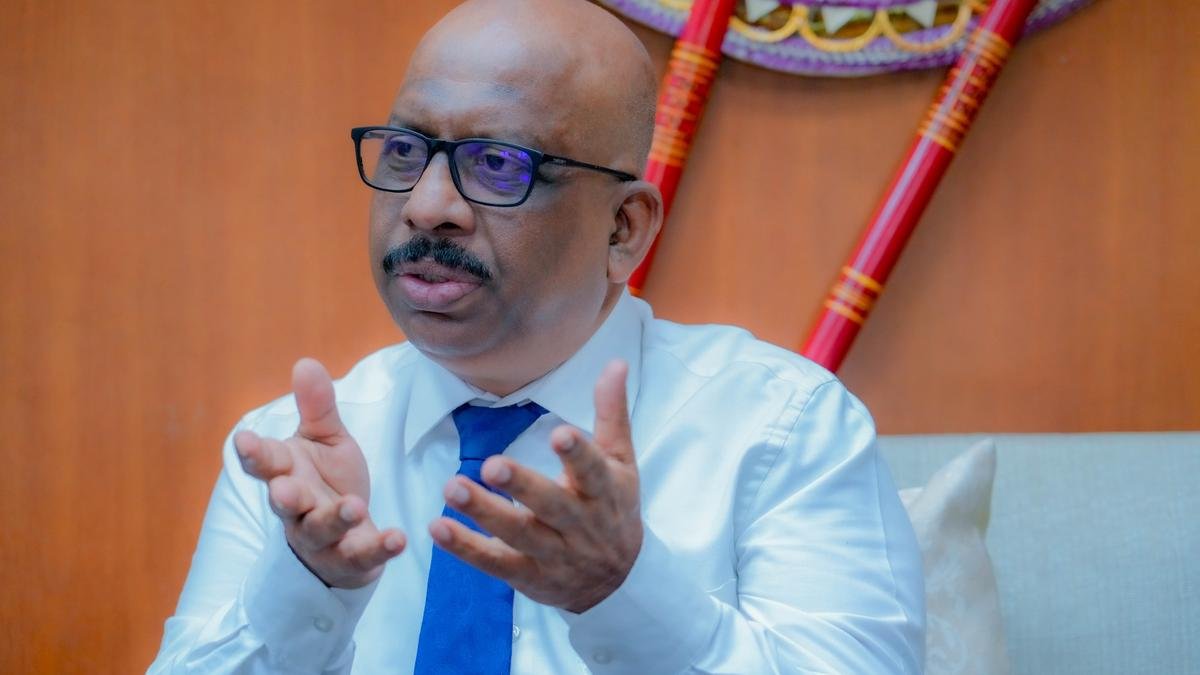
R. Sunjith Ravi, president, KGDSA, says that the government needs to fill the existing vacancies at the earliest and increase the speciality cadre posts. Also, steps should be taken to speed up promotions through the departmental promotion committee. Litigation over the issue should be resolved quickly so that eligible candidates can be considered for promotion, he adds.