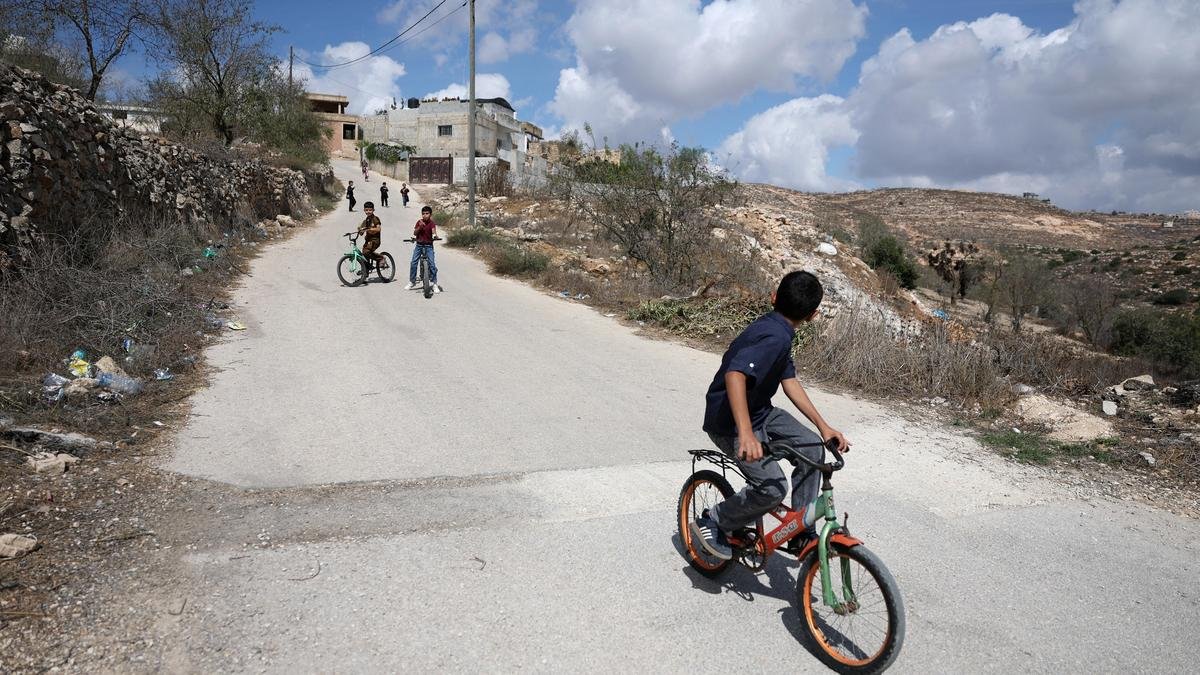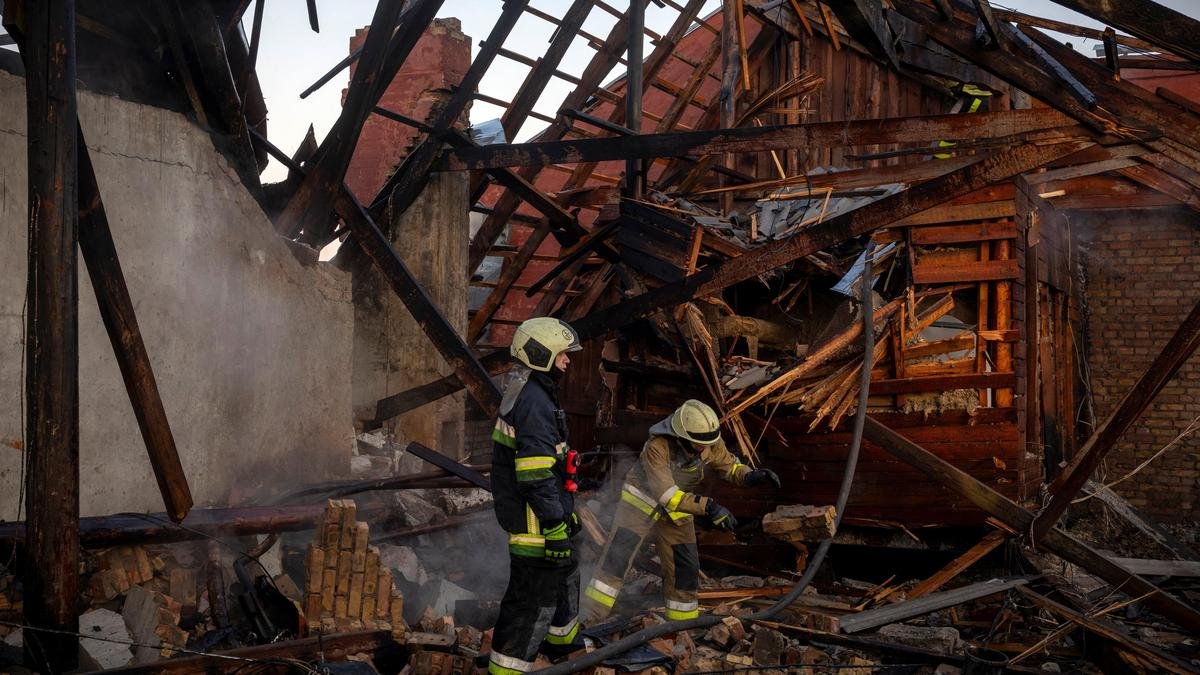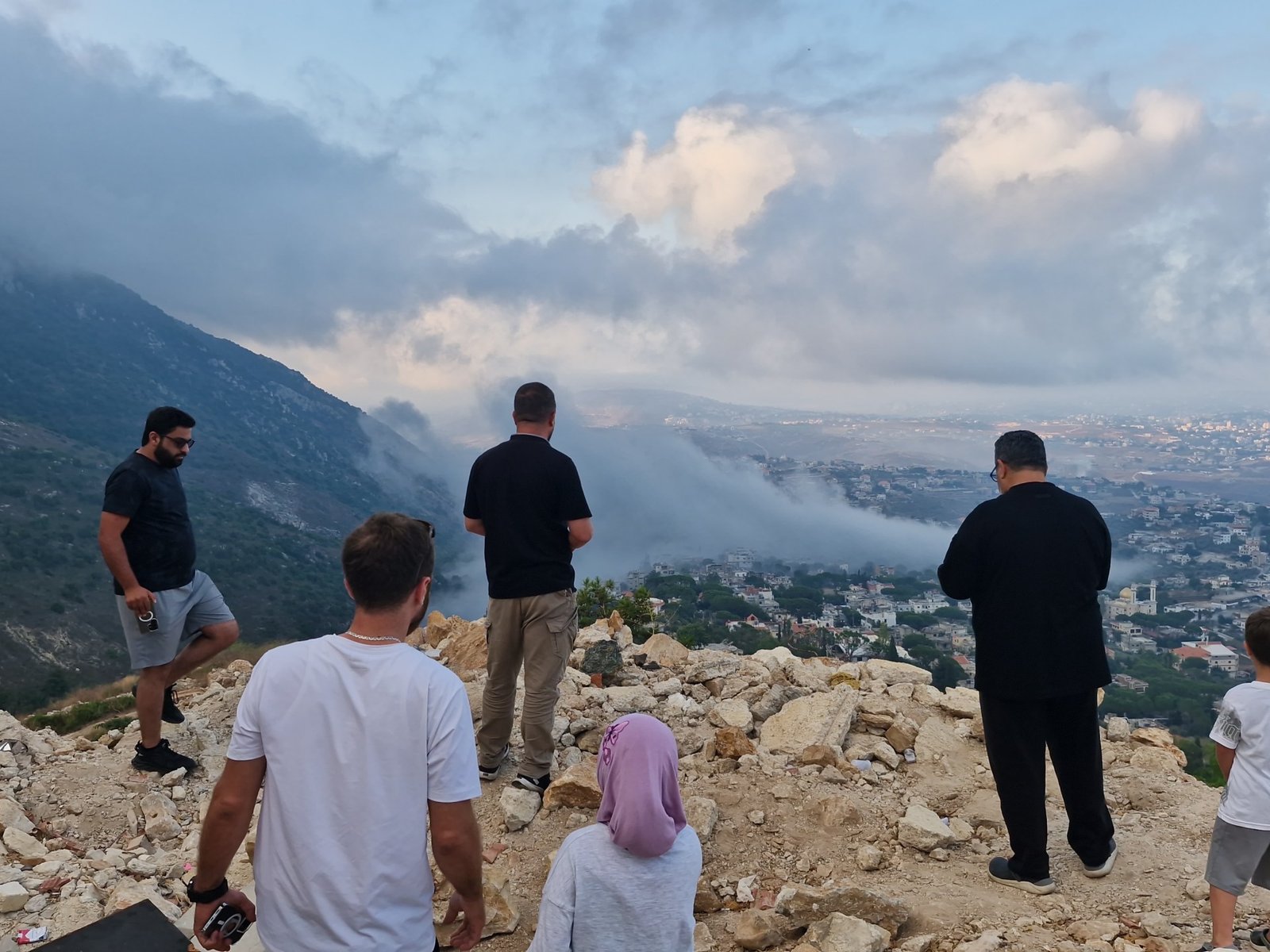
Thick smoke rises above residential structures following an Israeli air attack in the town of Arab Salim, Nabatieh governorate, southern Lebanon, on September 6, 2026 [Mohammad Abushama/Anadolu] By Zeina Khodr Published On 29 Sep 202629 Sep 2026 Nabatieh, Lebanon: A pushcart that Hadi Nasrallah uses to sell fresh orange juice is all this Khiam resident has left to his name.
His home was destroyed by the Israeli bombing, while his village is among the dozens across southern Lebanon currently occupied by Israel.
In a few weeks, Israelis will head to the polls to elect a new government.
But Nasrallah, like so many others Al Jazeera spoke to, expects little to change even if Prime Minister Benjamin Netanyahu – who launched the war on Lebanon in 2023 – is defeated in October’s general election.
“Israel has territorial ambitions.
It is about Greater Israel.
That is why whoever wins in the election won’t stop the destructive military policies and leave southern Lebanon,” Nasrallah told Al Jazeera.
“All this talk about creating security is a cover for their true intentions.” Israel has been the enemy for many in southern Lebanon for decades.
But over the past three years, under Netanyahu’s leadership, periodic clashes between the Israeli military and Hezbollah have transformed into an intense and sustained war.
The Israeli military says it is only against Hezbollah.
But its attacks have rampantly targeted civilian areas, killing at least 8,920 people and injuring 30,595 others since October 2023.
Almost 6 percent of Lebanese territory, along the border with Israel, remains occupied – all in the name of security.
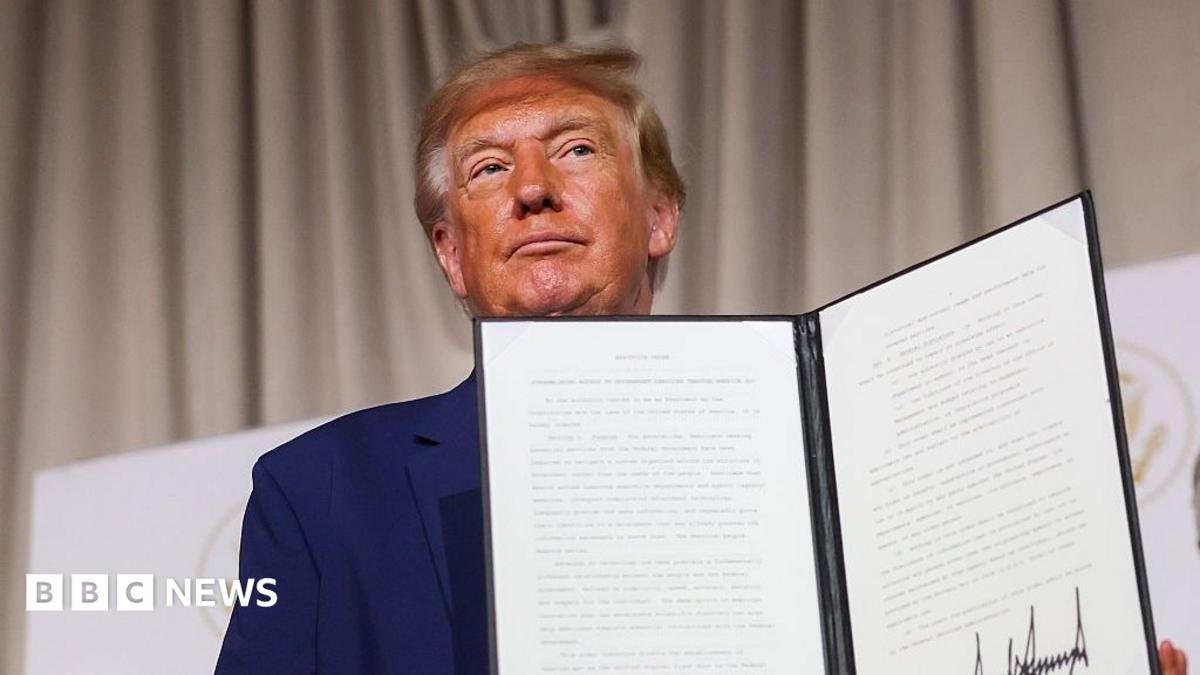
Now, Netanyahu is fighting for his political survival.
However, Netanyahu’s government is not the only political force in the country that supports military operations beyond Israel’s borders.
Advertisement Netanyahu’s main political challenger, Gadi Eisenkot – head of the Yashar party and former army chief of staff – is also projecting an image as a security hawk.
He is known in Lebanon for formulating a military strategy – the so-called Dahiyeh Doctrine – during Israel’s war with Hezbollah in 2006.
It calls for the use of massive force in military operations, even against civilian infrastructure, as a deterrent against its enemies.
This strategy has been deployed in Israel’s recent wars, particularly in its devastating aerial assaults on Beirut’s southern suburbs.
Eisenkot, like Netanyahu, insists on freedom of action for Israel’s military.
But he accused Netanyahu of bowing to US pressure to halt operations in Beirut, with no major attacks on the Lebanese capital since April.
He also insists that the military should be able to attack Hezbollah anywhere in Lebanon.
He has also accused the prime minister of running the war “blindly, arrogantly, and irresponsibly” and using military force without any achievable political goals or a sustainable diplomatic horizon to back Israel’s military actions.
But Netanyahu and Eisenkot’s stated goals are essentially the same – a demilitarised southern Lebanon, the disarmament of Hezbollah and long-term “security” for the residents of northern Israel.
“They are all the same,” Marcella Nasreddine, a resident of Beirut’s southern suburbs, told Al Jazeera.
“It has been the same policy since 1948 … destroy and control … Israel wants to control more territory.” Hezbollah supporters hold up a flag bearing the image of slain leader Hassan Nasrallah during a ceremony held to mark the second anniversary of his killing by Israel, in Beirut, Lebanon, September 27, 2026 [AFP] Syria policy Across the Lebanese border, in southern Syria, many are increasingly concerned about the Israeli military push into hundreds of square kilometres of Syrian land.
The current Israeli leadership says the military is not leaving.
Eisenkot does not appear to want to rush a withdrawal and appears to intend to use the occupation as leverage against the new Syrian government.
It has left people on both sides of the Lebanon-Syria border concerned that instead of bringing change, Israel’s upcoming elections could make their situation worse.
“I think you should focus on what happens from now until the elections rather than who will lead Israel,” Ali Jarmak, a resident of the southern city of Nabatieh, told Al Jazeera.
“Netanyahu is not leading in the polls, so he may resort to escalating the war here to gain more votes.” Advertisement Netanyahu has already delayed the diplomatic track with the Lebanese government.
There have been no negotiations between Israeli and Lebanese officials since early August.
Israel is also refusing further withdrawals from Lebanon until Hezbollah fully disarms.
But Hezbollah is refusing to do so and threatening to confront any attempt by the government to disarm the group.
Prime Minister Nawaf Salam is under pressure to extend the state’s authority across Lebanon.
He told the United Nations General Assembly last week that the framework agreement signed with Israel must be translated into practical steps, under a clear timetable, with a verification mechanism to ensure all its provisions are carried out.
It fell on deaf ears.
Instead, the Israeli military has been stepping up attacks on southern Lebanon, and the army command is discussing “a new phase in operations”.
The debate among Israel’s political rivals is not about maintaining dominance, but about how.