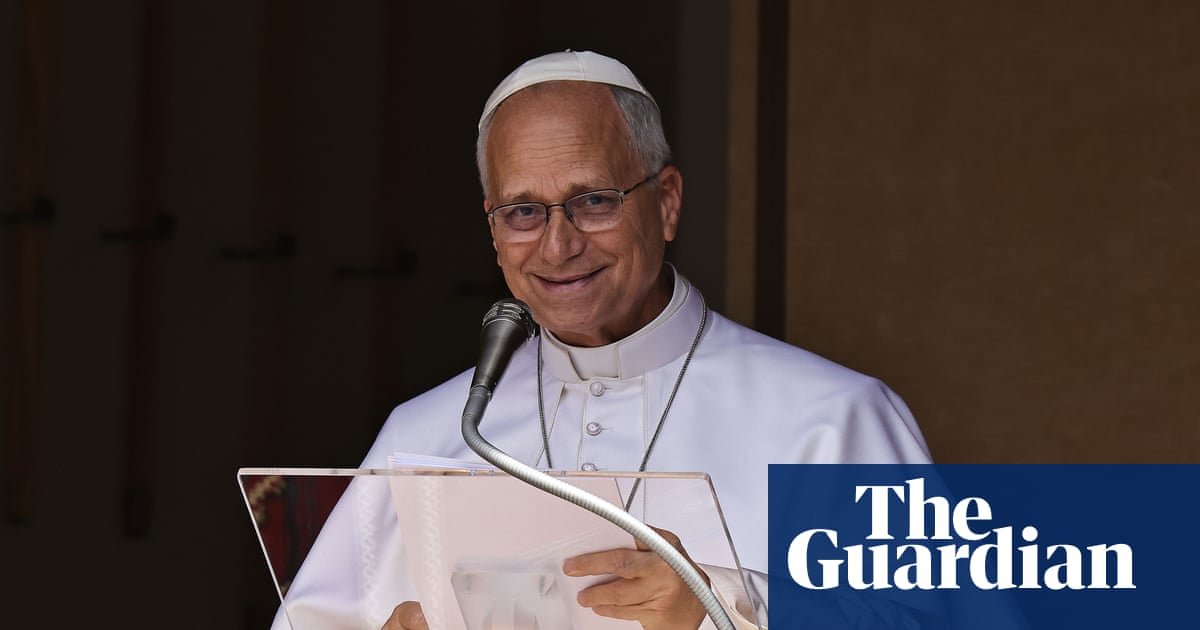
A collection of speeches and writings by Pope Leo XIV has been certified by Australian company Proudly Human as having been written by people, not AI.
Maps of Hope has been certified by Proudly Human, a company led by former chief scientist, Dr Alan Finkel Follow our Australia news live blog for latest updates Get our breaking news email, free app or daily news podcast A collection of speeches and writings by Pope Leo XIV has been certified as human-authored less than two months after Leo declared artificial intelligence the greatest threat to humanity.
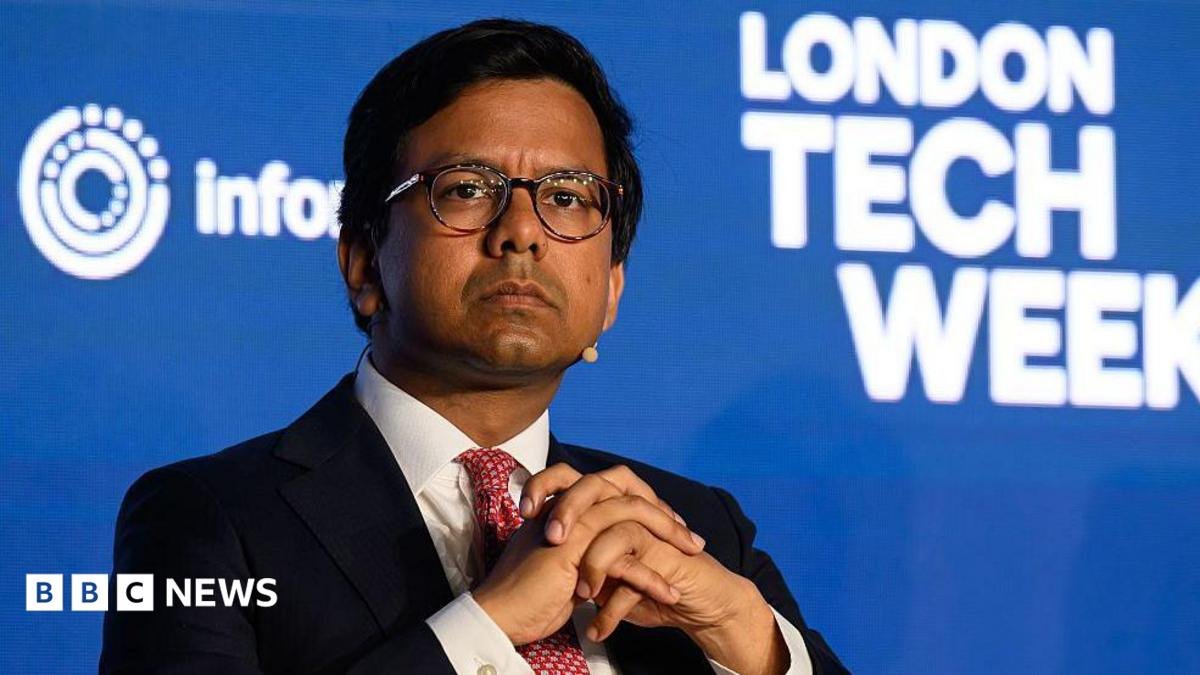
Proudly Human, the Australian company spearheaded by Australia’s former chief scientist, Dr Alan Finkel, undertook a review of a collection of writings and speeches by the pope, in collaboration with the publisher, the Australian Catholic University and cardinals in the Vatican.
Maps of Hope was published in the same week in May that Leo’s first encyclical, Magnifica Humanitas, warned of the dangers of artificial intelligence and the risks of the power of the technology being concentrated in the hands of a few.
In the encyclical, Leo said AI should be prevented “from dominating humanity,” adding that the technology should be “human-friendly”, accessible to all and open to discussion and debate.
Sign up for the Breaking News Australia emailFinkel told Guardian Australia he had a “great deal of confidence” going into the Maps of Hope process that Leo’s speeches would be human-written by a human, and within a day, Proudly Human had certified the collection as human-created.
The process typically requires authors or their representatives to sign up to the site, go through an ID check, and sign a declaration that they are operating within minimum standards: AI can’t be used to write the first draft, or write sentences and paragraphs.
The company then uses AI detection tools that Finkel said “focus on different nuances” in writing and grammar.
“We use a suite of four or five of them and our own averaging algorithm, and we test that suite every night to make sure that they’re really continuously fit for purpose,” he said.
“In this case, the book came through, as you would expect, is basically purely human.” The terms and conditions for the service outline that certifications are made “on the basis of information” provided and the checks performed, and the certifications can be refused or revoked if found to misrepresent authorship or “fall outside our published standards”.
Finkel’s hope is that in lieu of government regulation forcing authors to disclose AI use, people can use the information to know whether writing was produced by a human.
“They deserve to know.
I actually think it’s a fundamental right [for] human beings,” he said, adding this was particularly true when it came to religious figures.
“If you’re sitting in a church and you’re expecting that that is the genuine expertise, religious wisdom, of the priest who’s delivering the sermon.
“The heart of what it is to be human is to engage with other people and to exchange ideas and exchange creative ideas.” The president and vice-chancellor of the Australian Catholic University, Prof Zlato Skrbis, said in a statement that given there was so much online content being generated so quickly, it was valuable to “say with confidence that a work is a product of human reflection and judgment”.
Explore more on these topicsVatican AI (artificial intelligence) Pope Leo XIV Catholicism Computing Religion news Share Reuse this content