Meta is fixing a loophole that allowed wearers of its AI smart glasses to secretly record others without consent.
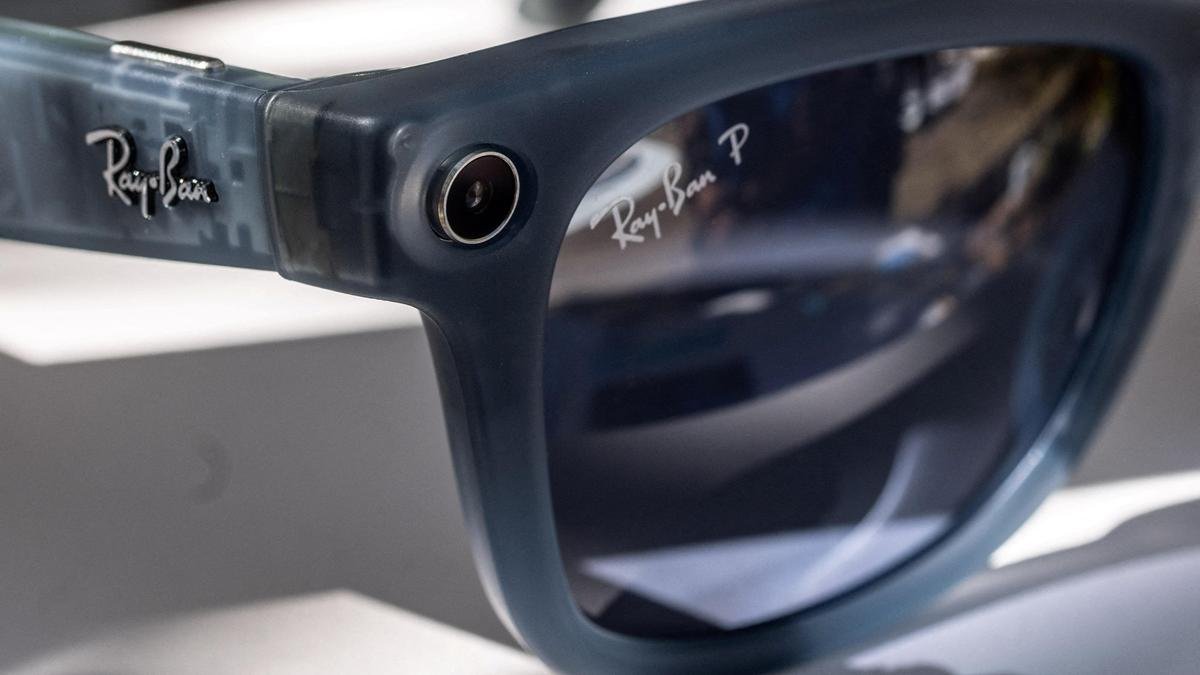
Meta’s new AI smart glasses feature a white light sensor that starts blinking when the wearer is taking a photo or video through their device, letting people nearby know they are being recorded.
If blocked, the camera is automatically disabled.
However, some users have bypassed this control by starting a recording and then covering up the sensor.
Smart glasses highlight gaps in privacy laws Meta’s AR VP Alex Himel announced on Threads that a new update would increase the reliability of the capture LED on Meta’s AI glasses, and that the camera would stop working if the light is covered while recording.
“We’re going to keep rolling out updates like this to make sure the capture LED can reliably alert bystanders when photos or videos are being captured for someone’s gallery.
Only a tiny minority of people try to get around these protections, and the fact they have to go to these lengths shows our efforts are working.
We’ll keep improving and evolving our approach,” stated Mr.
Himel.
Meta’s AI glasses have become the target of increasing backlash across borders, as more people report encounters with glasses wearers where they were recorded without consent and had their photos/videos uploaded to social media.
Why are some Americans destroying Flock cameras? | Explained Others have flagged the potential security risks of Meta’s AI glasses being used to stalk children, record medical appointments, infiltrate high-security set-ups, and harvest confidential bank information.
Even though Instagram head Adam Mosseri warned users about posting such content online, glasses wearers have largely been left to self-regulate or follow local rules where applicable.
Meta exhorted users to “be a good community member,” noting: “If you wouldn’t film it with your phone – you shouldn’t film it with your glasses.” How Meta’s AI glass puts civilian privacy at risk | Explained In spite of Meta’s user policies, non-consensual recordings of other people that were captured with the company’s AI glasses are easy to find on social media platforms such as Instagram.
These include pranks against retail workers and families, as well as instances of sexual harassment disguised as flirting.